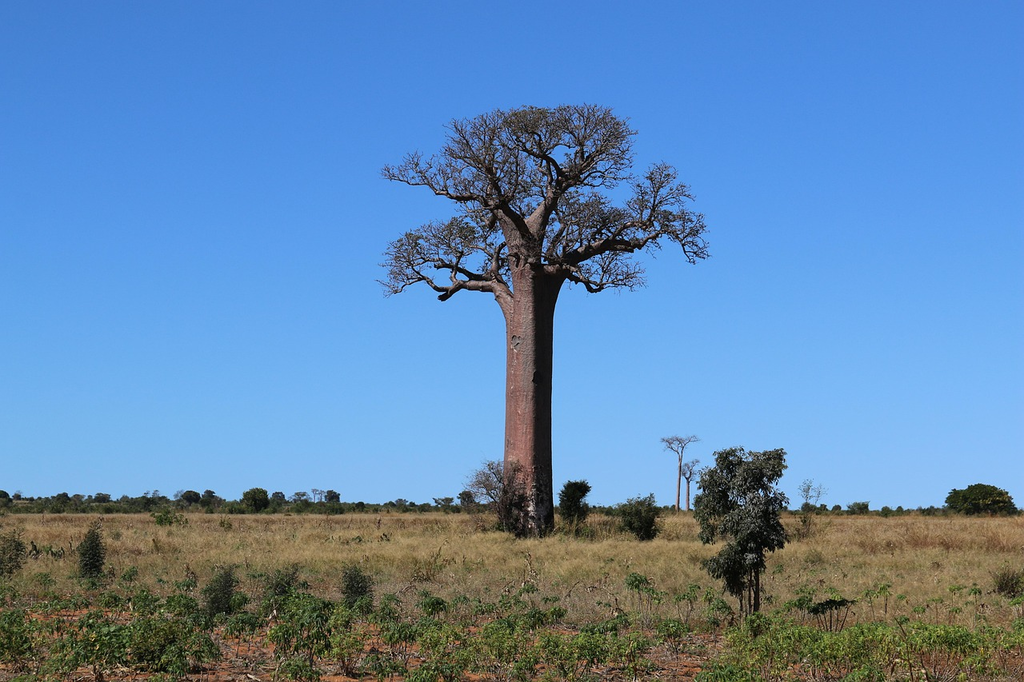
The Socotra Archipelago, located in the Arabian Sea off the coast of Yemen, is renowned for its unique biodiversity and otherworldly landscapes. Often called the "Galápagos of the Indian Ocean," it is home to hundreds of endemic plant and animal species, including the iconic dragon’s blood tree. Recognized as a UNESCO World Heritage Site, Socotra’s striking scenery and ecological significance make it a natural wonder and a landmark of global environmental importance.
Socotra Archipelago
The Socotra Archipelago, located in the Arabian Sea off the coast of Yemen, is renowned for its unique biodiversity and otherworldly landscapes. Often called the "Galápagos of the Indian Ocean," it is home to hundreds of endemic plant and animal species, including the iconic dragon’s blood tree. Recognized as a UNESCO World Heritage Site, Socotra’s striking scenery and ecological significance make it a natural wonder and a landmark of global environmental importance.
💡 Key Takeaways
- Locate Socotra Archipelago in the Arabian Sea near Yemen and learn why its isolation matters for biodiversity.
- Explore unique flora and fauna, including the Dragon's Blood Tree and high levels of endemism.
- Understand UNESCO World Heritage status and current conservation challenges affecting Socotra.
- Learn how isolation and climate shape Socotra's habitats and cultural heritage.
❓ Frequently Asked Questions
What is the Socotra Archipelago?
The Socotra Archipelago is a group of islands in the Arabian Sea, part of Yemen, renowned for unusually diverse and endemic plants and animals, including the Dragon's Blood Tree. It has been a UNESCO World Heritage Site since 2008.
Why is Socotra's biodiversity considered unique?
Isolation and varied habitats have led to many endemic species; a large portion of its plant and animal life is found nowhere else, making Socotra one of the world’s most distinctive biodiversity hotspots.
What is the Dragon's Blood Tree and why is it famous?
Dracaena cinnabari is the umbrella-shaped tree that secretes a red resin used historically as dye and medicine. It is an iconic symbol of Socotra and a key part of its unique ecosystem.
How can visitors reach the Socotra Archipelago?
Access is mainly by air to Socotra Island, with limited flights from Sana’a and regional hubs; schedules can be irregular and permits may be required. Sea trips exist but are less reliable due to seas and weather.