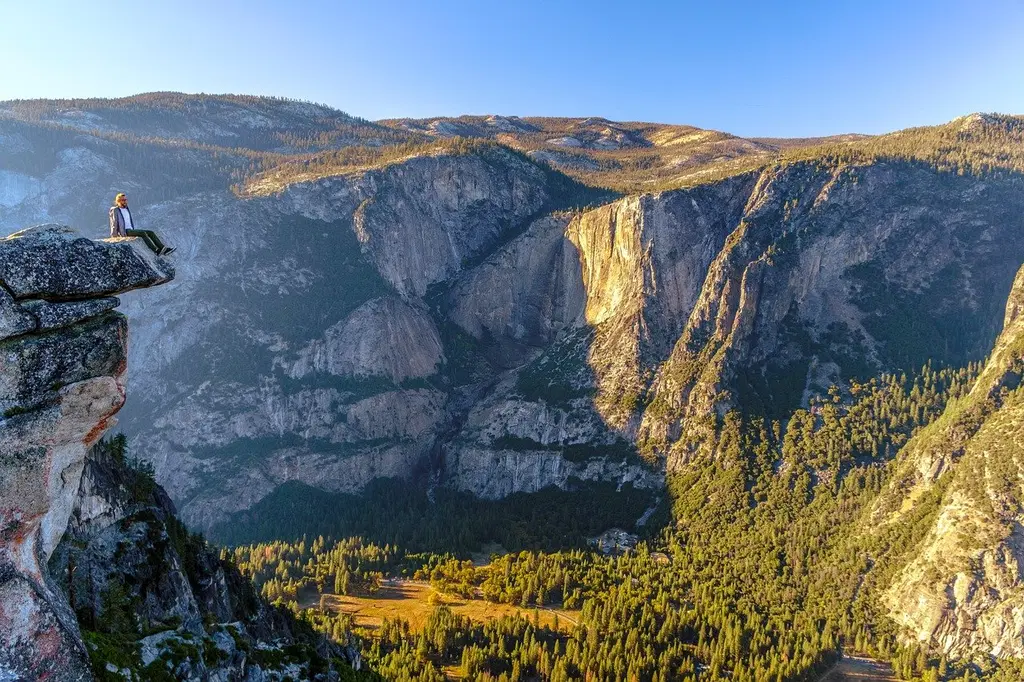
Socotra Island, located off the coast of Yemen in the Arabian Sea, is renowned for its unique biodiversity and otherworldly landscapes. Often called the “Galápagos of the Indian Ocean,” it is home to hundreds of endemic plant and animal species, including the iconic dragon’s blood tree. The island’s isolated environment has fostered remarkable evolutionary developments, making it a UNESCO World Heritage Site and a natural wonder admired by scientists and travelers alike.
Socotra Island
Socotra Island, located off the coast of Yemen in the Arabian Sea, is renowned for its unique biodiversity and otherworldly landscapes. Often called the “Galápagos of the Indian Ocean,” it is home to hundreds of endemic plant and animal species, including the iconic dragon’s blood tree. The island’s isolated environment has fostered remarkable evolutionary developments, making it a UNESCO World Heritage Site and a natural wonder admired by scientists and travelers alike.
💡 Key Takeaways
- Discover Socotra's unique biodiversity and its UNESCO World Heritage status.
- Learn about the dragon's blood tree and other endemic flora that define the island.
- Understand how isolation and geology shaped Socotra's distinctive ecosystems.
- Identify notable endemic wildlife and marine life found only on Socotra.
- Explore conservation challenges and responsible travel practices to protect the island.
❓ Frequently Asked Questions
What is Socotra Island?
A remote island in the Arabian Sea, part of Yemen, known for its unique flora and fauna and designated as a UNESCO World Heritage Site.
Where is Socotra located?
Off the southeastern coast of Yemen in the Arabian Sea; it is the largest island in the Socotra Archipelago.
What makes Socotra's biodiversity special?
It has very high endemism, with many species found nowhere else on Earth, including iconic plants like the dragon's blood tree.
What is the Dragon's Blood Tree?
A distinctive, umbrella-shaped tree (Dracaena cinnabari) on Socotra whose red sap has been used as dye and medicine.
Why is Socotra a UNESCO World Heritage Site?
Because of its exceptional biodiversity, unique habitats, and a high number of endemic species that reflect long isolation.