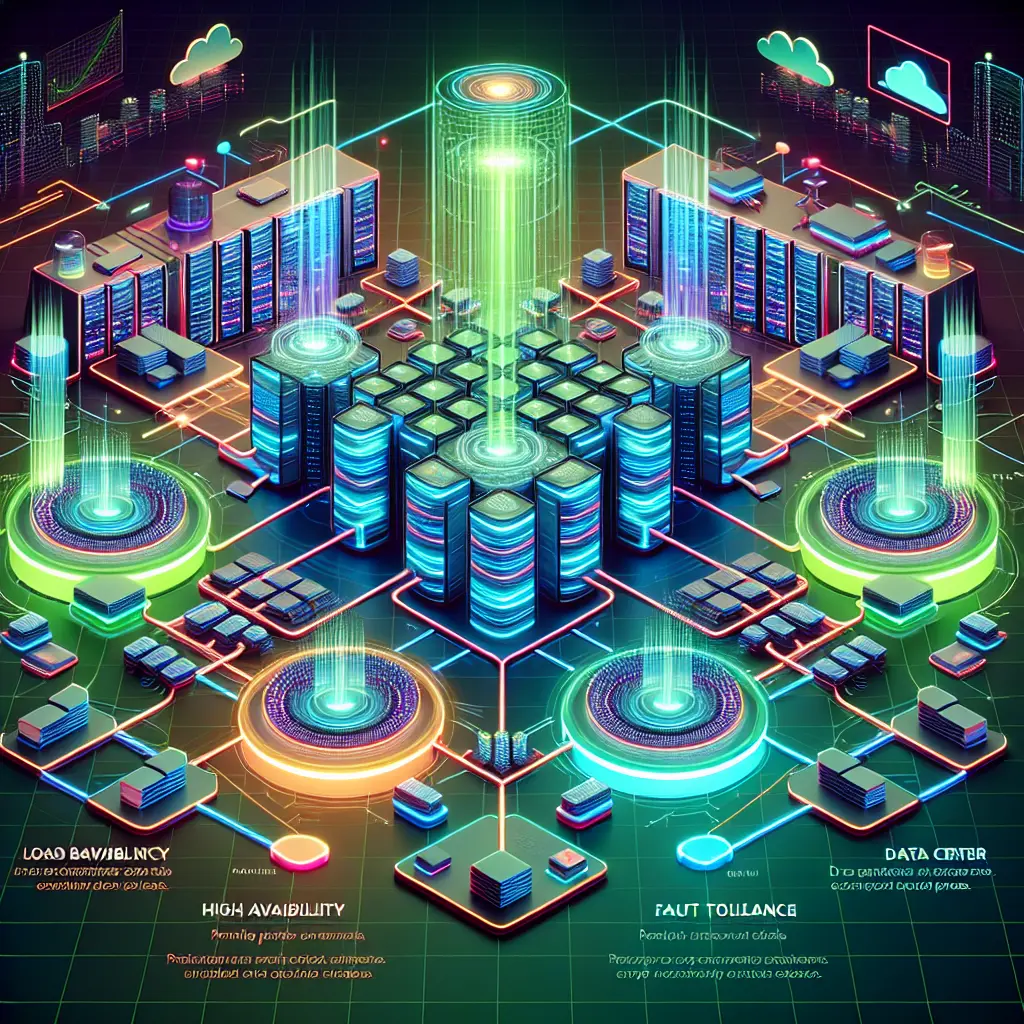
The Software Development Lifecycle (SDLC) is a structured process used to design, develop, test, and deploy software applications efficiently. It typically includes stages such as requirement gathering, system design, implementation, testing, deployment, and maintenance. Each phase builds upon the previous one, ensuring quality and meeting user needs. SDLC helps teams manage resources, reduce risks, and deliver reliable software within time and budget constraints.
Software Development Lifecycle Overview+50
The Software Development Lifecycle (SDLC) is a structured process used to design, develop, test, and deploy software applications efficiently. It typically includes stages such as requirement gathering, system design, implementation, testing, deployment, and maintenance. Each phase builds upon the previous one, ensuring quality and meeting user needs. SDLC helps teams manage resources, reduce risks, and deliver reliable software within time and budget constraints.
💡 Key Takeaways
- Identify and describe the six core SDLC stages: requirements gathering, design, implementation, testing, deployment, and maintenance.
- Explain how each stage builds on the previous one to produce a complete, working software product.
- List typical deliverables and activities for each phase (e.g., requirements document, design specs, code, test plans, deployment plan, maintenance tasks).
- Understand how feedback, iteration, and ongoing maintenance help ensure quality, adaptability, and efficient delivery.
❓ Frequently Asked Questions
What is the Software Development Lifecycle (SDLC)?
The SDLC is a structured process for designing, developing, testing, and deploying software, providing a framework of phases and artifacts to guide a project from idea to production.
What are the typical stages of the SDLC?
Common stages include requirement gathering, system design, implementation (coding), testing, deployment, and maintenance, often with planning and evaluation sprinkled between phases.
What happens during requirement gathering?
Stakeholders' needs are collected and documented as functional and non-functional requirements, user stories, and success criteria to guide the project.
What occurs in design and implementation?
Design defines the system architecture and module plans, while implementation is the actual coding that builds the software according to the design.
Why is maintenance important after deployment?
Maintenance fixes defects, updates features, improves performance, and ensures the software continues to meet user needs over time.