Solar and lunar eclipses are astronomical events involving the alignment of the Sun, Earth, and Moon. A solar eclipse occurs when the Moon passes between the Earth and the Sun, temporarily blocking sunlight. A lunar eclipse happens when the Earth comes between the Sun and the Moon, casting a shadow on the Moon. These phenomena illustrate the dynamic interactions and precise orbits within our solar system, providing spectacular views and valuable scientific insights.
Solar and Lunar Eclipses
Solar and lunar eclipses are astronomical events involving the alignment of the Sun, Earth, and Moon. A solar eclipse occurs when the Moon passes between the Earth and the Sun, temporarily blocking sunlight. A lunar eclipse happens when the Earth comes between the Sun and the Moon, casting a shadow on the Moon. These phenomena illustrate the dynamic interactions and precise orbits within our solar system, providing spectacular views and valuable scientific insights.
💡 Key Takeaways
- Understand the basic mechanics of solar vs. lunar eclipses and how each occurs.
- Identify the main eclipse types for both solar (total, partial, and annular) and lunar (total, partial, and penumbral).
- Explain why eclipses don't occur every month, focusing on the Moon's orbital alignment with the Sun and Earth.
- Learn safe viewing practices for solar eclipses and common myths vs. science.
❓ Frequently Asked Questions
What is a solar eclipse?
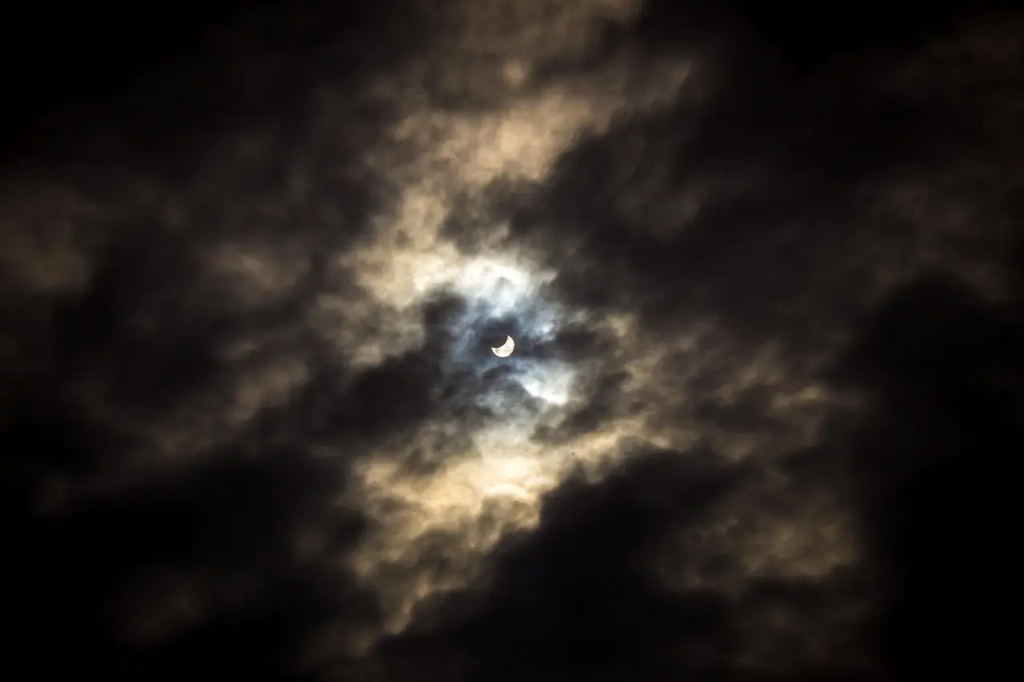
A solar eclipse occurs when the Moon passes between the Sun and Earth, casting a shadow on Earth. It can be total (the Sun is completely blocked), partial (only part of the Sun is blocked), or annular (the Sun appears as a bright ring).
What is a lunar eclipse?
A lunar eclipse happens when the Earth passes between the Sun and the Moon, casting Earth's shadow onto the Moon. It can be total (Moon fully in Earth’s shadow), partial, or penumbral (the Moon only slightly darkens).
What are the main types of solar eclipses?
Total, partial, and annular. A total eclipse hides the Sun completely, an annular eclipse leaves a bright Sun ring, and a partial eclipse covers only part of the Sun (hybrid eclipses are rare and can switch between types along the path).
What are the main types of lunar eclipses?
Total, partial, and penumbral. A total lunar eclipse darkens the Moon significantly (often reddish), a partial eclipse covers part of the Moon, and a penumbral eclipse subtly darkens the Moon with Earth's outer shadow.
How can I safely observe a solar eclipse?
Never look directly at the Sun. Use ISO-certified eclipse glasses or a proper solar filter for any viewing, or project the Sun’s image with a pinhole or indirect method.