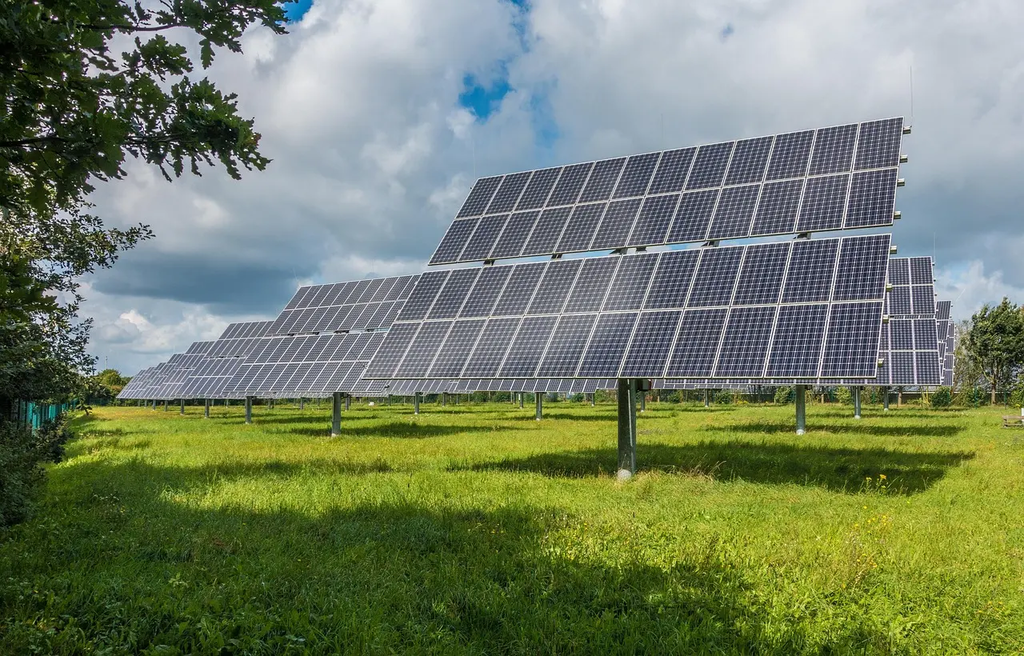
Solar PV systems convert sunlight into electricity using photovoltaic panels, providing a renewable energy source. In telecoms and signaling applications, reliable power is crucial, making solar PV ideal for remote locations. MPPT (Maximum Power Point Tracking) optimizes the energy output from PV panels by adjusting electrical operating points, ensuring maximum efficiency. This combination ensures consistent power supply for telecom equipment, reducing reliance on grid or diesel generators and enhancing operational reliability.
Solar PV Systems and MPPT
Solar PV systems convert sunlight into electricity using photovoltaic panels, providing a renewable energy source. In telecoms and signaling applications, reliable power is crucial, making solar PV ideal for remote locations. MPPT (Maximum Power Point Tracking) optimizes the energy output from PV panels by adjusting electrical operating points, ensuring maximum efficiency. This combination ensures consistent power supply for telecom equipment, reducing reliance on grid or diesel generators and enhancing operational reliability.
💡 Key Takeaways
- Understand MPPT (Maximum Power Point Tracking) and why it increases energy harvest in solar PV systems.
- Learn how MPPT dynamically shifts the PV operating point to maximize power under changing irradiance and temperature.
- Get a quick overview of common MPPT algorithms (Perturb and Observe, Incremental Conductance) and their trade-offs.
- Identify practical factors that affect MPPT performance—such as shading, wiring losses, and inverter efficiency—and how to optimize them.
❓ Frequently Asked Questions
What is MPPT in Solar PV systems?
MPPT stands for Maximum Power Point Tracking. It is a method used by solar charge controllers and inverters to continuously adjust the operating point of the solar array to harvest the maximum possible power under current conditions (irradiance and temperature).
Why is MPPT more efficient than a fixed-voltage approach?
PV panels do not operate at a single optimal voltage; MPPT adapts the panel voltage to the point of maximum power, improving energy harvest, especially as sunlight and temperature change.
What are common MPPT algorithms?
Two common algorithms are Perturb and Observe (P&O) and Incremental Conductance. P&O nudges voltage to find higher power, while Incremental Conductance uses the slope of the I-V curve for faster, more stable convergence.
What factors affect MPPT performance?
Irradiance, temperature, shading, and wiring or component mismatches influence MPPT effectiveness; extreme conditions or improper matching can reduce efficiency and optimal operating voltage.