Solar System Formation refers to the process by which our solar system originated around 4.6 billion years ago. It began with a giant cloud of gas and dust, known as a solar nebula, which collapsed under gravity. The central mass formed the Sun, while remaining material flattened into a disk, gradually coalescing into planets, moons, asteroids, and comets. This fascinating process set the stage for the diverse planetary system we explore today.
Solar System Formation
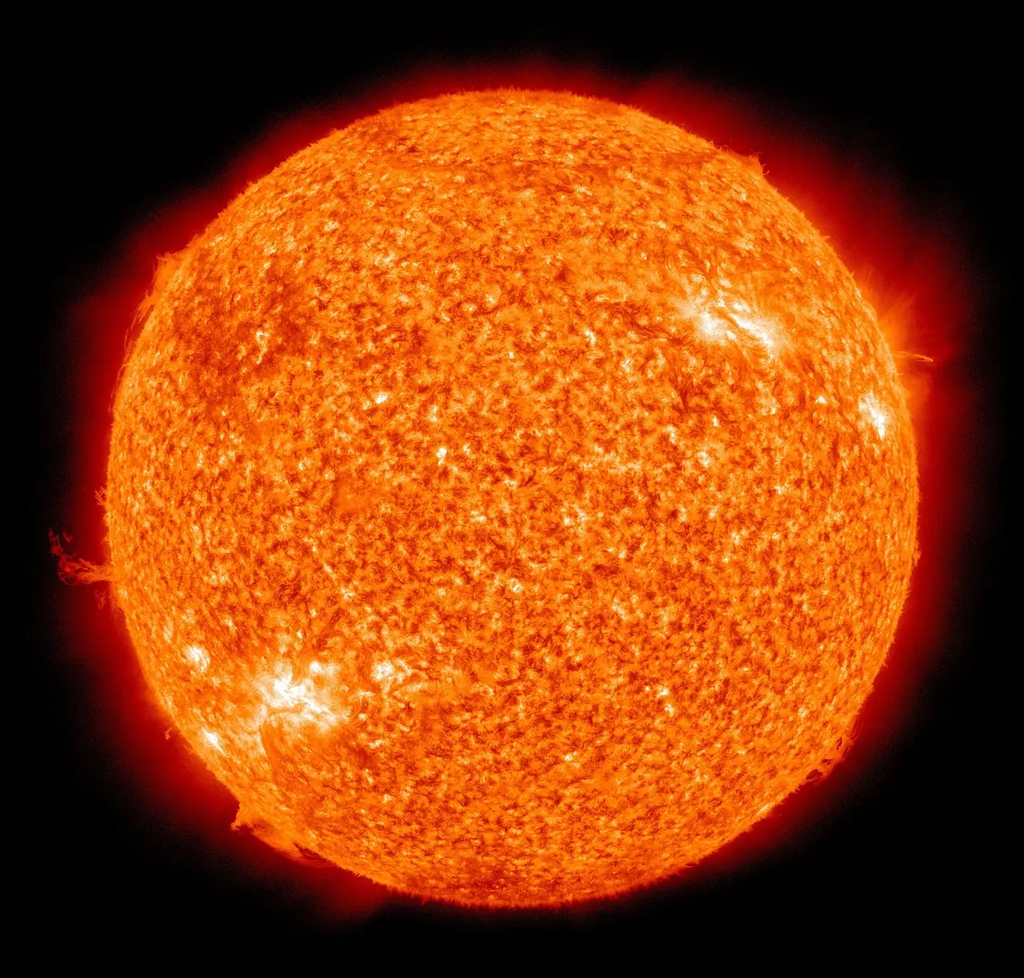
Solar System Formation refers to the process by which our solar system originated around 4.6 billion years ago. It began with a giant cloud of gas and dust, known as a solar nebula, which collapsed under gravity. The central mass formed the Sun, while remaining material flattened into a disk, gradually coalescing into planets, moons, asteroids, and comets. This fascinating process set the stage for the diverse planetary system we explore today.
💡 Key Takeaways
- Understand the nebular hypothesis and how a spinning cloud formed the Sun and planets.
- Outline the stages: solar nebula → protostar → protoplanetary disk → planetesimals → planets.
- Explain why rocky planets form closer to the Sun and gas giants farther out.
- Recognize evidence for solar system formation (meteorites, isotopes, protoplanetary disks) and the implied timescales.
❓ Frequently Asked Questions
What is the prevailing theory for how the Solar System formed?
The nebular hypothesis: a rotating cloud of gas and dust collapsed under gravity, forming the Sun at the center and a surrounding protoplanetary disk where planets grew by accretion.
What is a protoplanetary disk?
A disk of gas and dust around a young star where planets form; particles collide and stick, building from dust to planetesimals to planets.
What is the snow line (frost line) and why is it important?
The distance in the disk where temperatures are low enough for ices to condense. Inside it, rocky planets form; beyond it, ices help form larger cores and gas giants.
What kinds of evidence support the nebular formation model?
Observations of young stars with protoplanetary disks, isotopic clues in meteorites, and computer simulations of disk dynamics and planet formation.