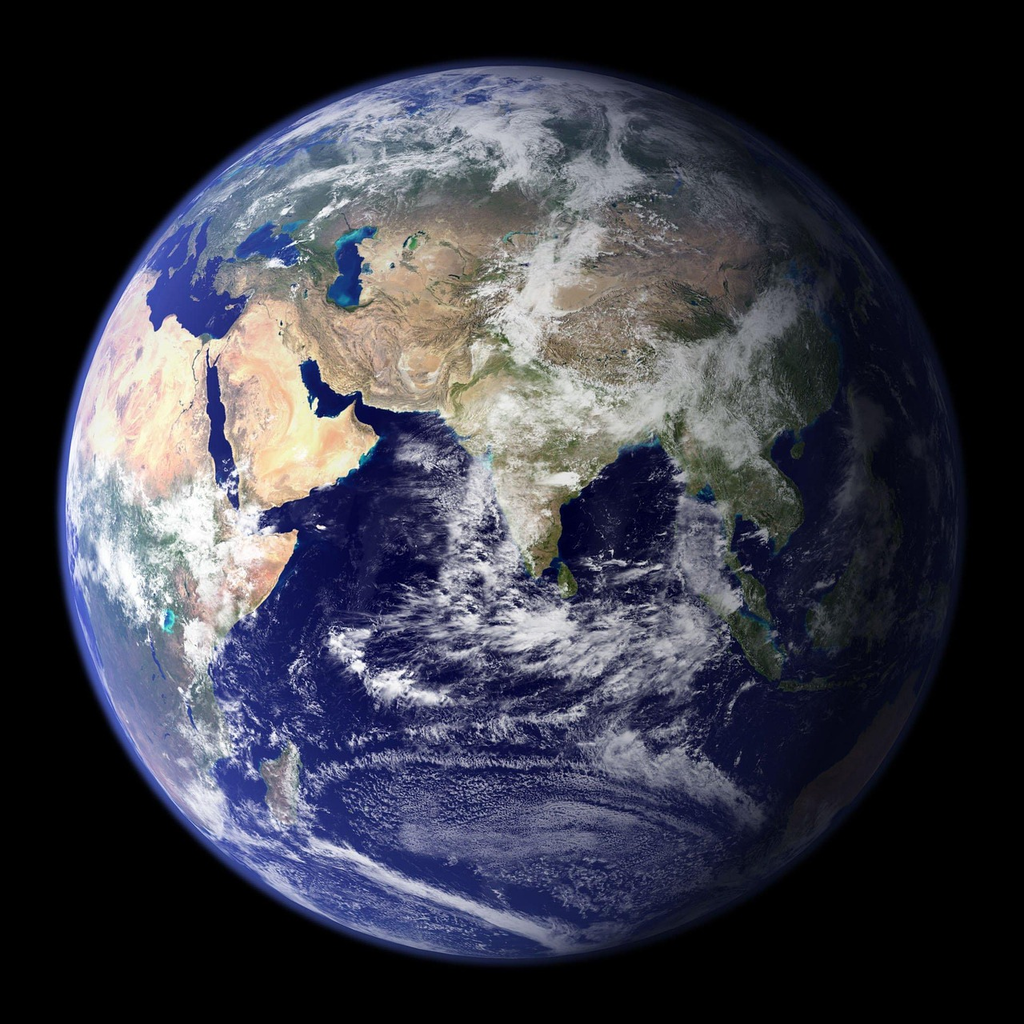
Solar wind is a continuous stream of charged particles, mainly electrons and protons, released from the upper atmosphere of the Sun. As it travels through the solar system, it interacts with planetary magnetic fields and atmospheres, causing phenomena such as auroras on Earth. Solar wind can also disrupt satellite operations, communication systems, and power grids. Its influence shapes planetary magnetospheres and contributes to the formation of comet tails pointing away from the Sun.
Solar Wind and Its Effects
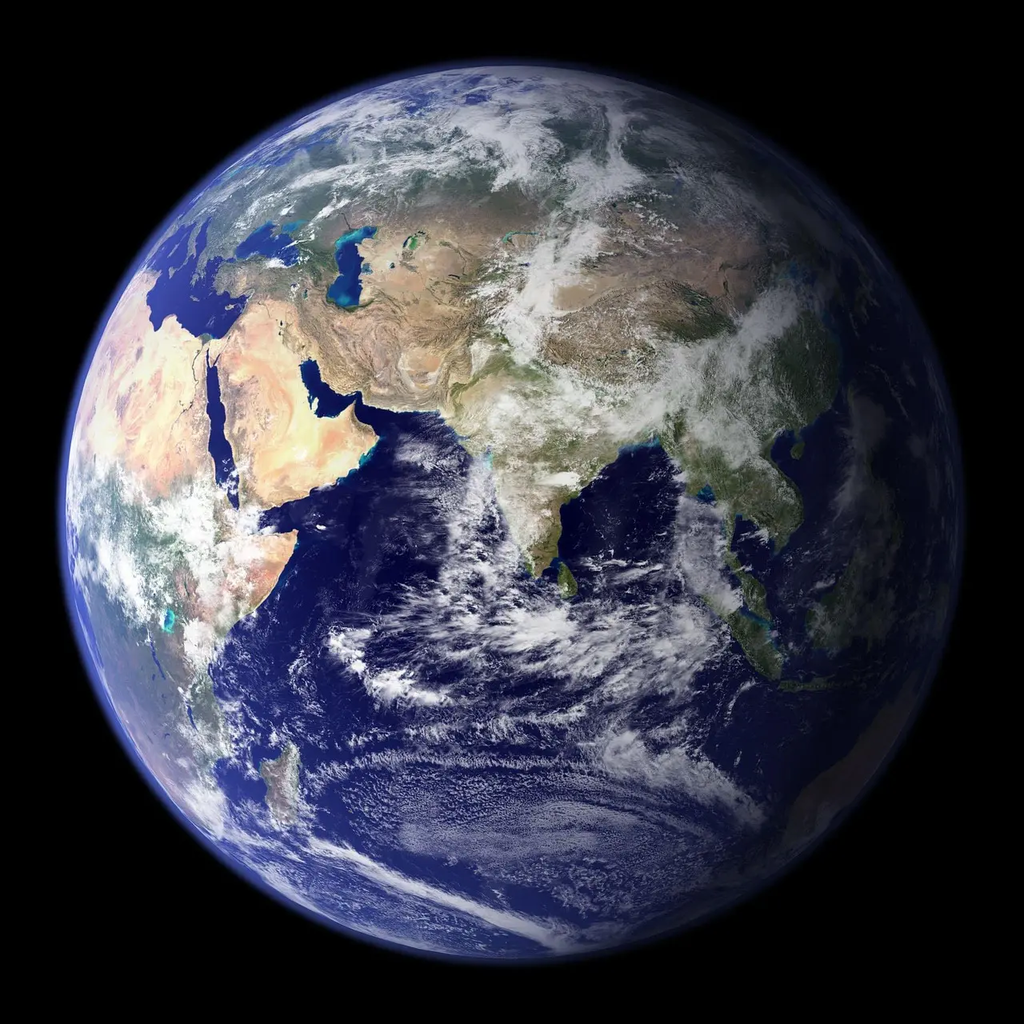
Solar wind is a continuous stream of charged particles, mainly electrons and protons, released from the upper atmosphere of the Sun. As it travels through the solar system, it interacts with planetary magnetic fields and atmospheres, causing phenomena such as auroras on Earth. Solar wind can also disrupt satellite operations, communication systems, and power grids. Its influence shapes planetary magnetospheres and contributes to the formation of comet tails pointing away from the Sun.
💡 Key Takeaways
- Define solar wind and explain its origin from the Sun’s corona.
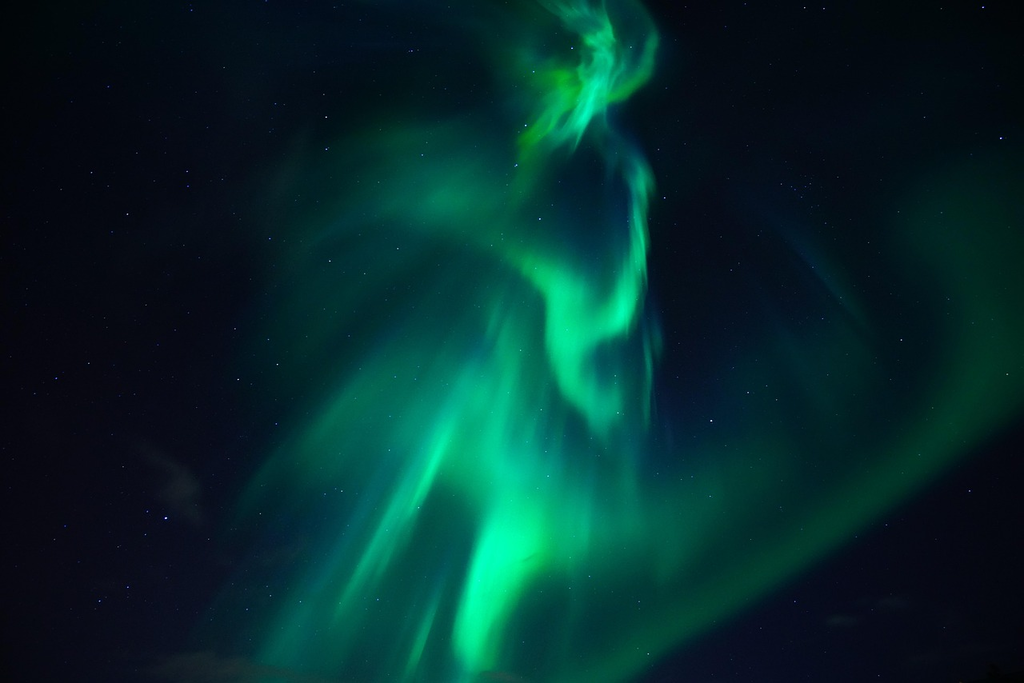
- Describe how solar wind interacts with Earth’s magnetosphere and can trigger auroras.
- Explain how solar wind affects technology and space missions, including satellites and power grids.
- Identify solar wind properties (speed, density, magnetic field) and how they influence space weather and radiation environments.
❓ Frequently Asked Questions
What is the solar wind?
A continuous flow of charged particles (mostly protons and electrons) emitted by the Sun's corona, traveling through space and carried by the Sun's magnetic field.
How does solar wind interact with Earth?
When it reaches Earth, it interacts with the magnetosphere, causing auroras and geomagnetic storms, and can affect satellites, GPS, and power grids. Effects depend on wind speed, density, and magnetic-field orientation.
What is the difference between solar wind and coronal mass ejections (CMEs)?
Solar wind is a steady outflow of particles; CMEs are sudden, large eruptions of plasma and magnetic field that can trigger stronger and longer-lasting disturbances.
How can solar wind affect technology and astronauts?
It can disrupt satellites and communications, degrade navigation signals, increase radiation exposure for astronauts, and potentially impact power grids during strong events.
How is solar wind measured and monitored?
Spacecraft instruments measure plasma properties (speed, density, temperature) and magnetic fields. Missions near Earth (e.g., Wind, ACE) and closer to the Sun (e.g., Parker Solar Probe) provide data for space weather monitoring.