Songkran and Southeast Asian Water Festivals are vibrant celebrations marking the traditional New Year in countries like Thailand, Laos, Cambodia, and Myanmar. Taking place in mid-April, these festivals are famous for lively water fights, symbolizing purification and renewal. Participants splash water on each other, visit temples, and pay respects to elders. The festivities blend religious rituals, cultural traditions, and communal joy, making them significant social and spiritual events in the region.
Songkran & Southeast Asian Water Festivals
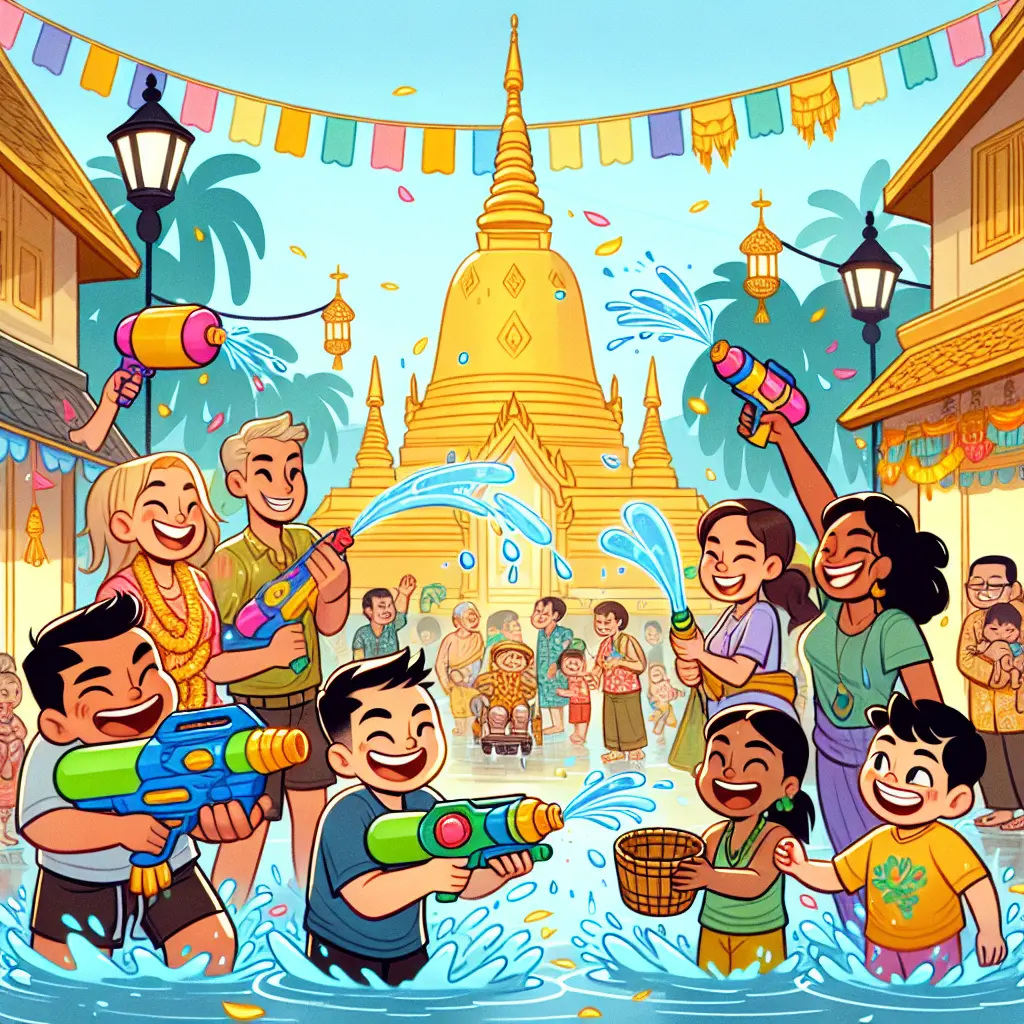
Songkran and Southeast Asian Water Festivals are vibrant celebrations marking the traditional New Year in countries like Thailand, Laos, Cambodia, and Myanmar. Taking place in mid-April, these festivals are famous for lively water fights, symbolizing purification and renewal. Participants splash water on each other, visit temples, and pay respects to elders. The festivities blend religious rituals, cultural traditions, and communal joy, making them significant social and spiritual events in the region.
💡 Key Takeaways
- Identify Songkran and related Southeast Asian water festivals as the traditional New Year celebrations in Thailand, Laos, Cambodia, and Myanmar, and note their mid-April timing.
- Explain the meaning of water in the festival as purification, renewal, and goodwill toward family and the community.
- Describe common activities during the festival, including water play, temple visits, merit-making, and family reunions, with regional variations.
- Recognize the regional names and variations (Songkran in Thailand, Pi Mai in Laos, Chaul Chnam Thmey in Cambodia, Thingyan in Myanmar) and how local customs shape celebrations.
❓ Frequently Asked Questions
What is Songkran?
Songkran is the traditional Thai New Year festival, celebrated in mid-April, known for water activities, temple visits, and family gatherings.
Which countries celebrate these water festivals around the New Year?
Thailand celebrates Songkran, with similar water festival traditions in Laos (Pi Mai), Cambodia (Chaul Chnam Thmey), and Myanmar (Thingyan).
What does the water symbolize in these celebrations?
Water represents purification and renewal, washing away bad luck and starting the year fresh.
What are common activities during Songkran?
Water fights, pouring water on temples or Buddha statues, paying respect to elders, making merit at temples, and building sand pagodas.