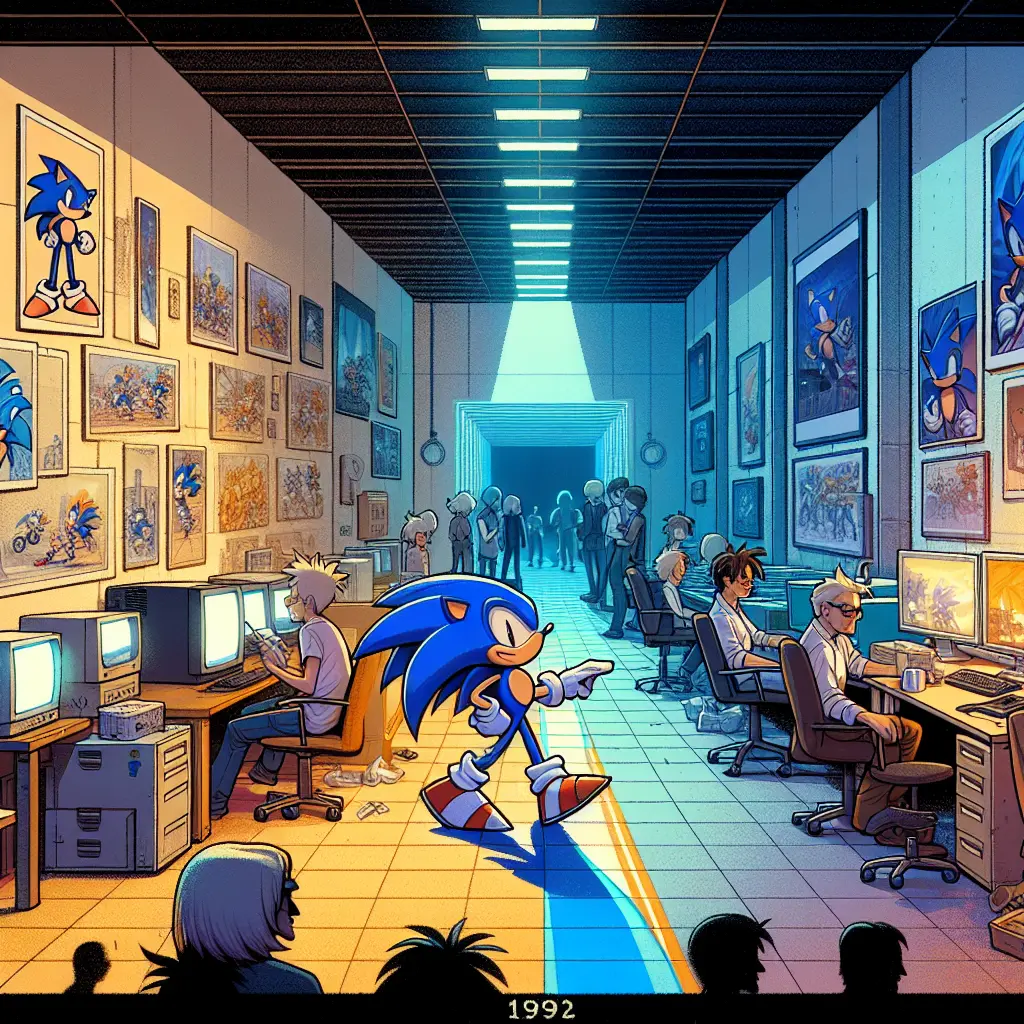
"Sonic the Hedgehog 2D Evolution" refers to the progression and development of the classic 2D Sonic games over time. Beginning with the original 1991 release, the series evolved with improved graphics, faster gameplay, new mechanics, and expanded worlds. Each installment introduced fresh features while maintaining the core elements—speed, platforming, and vibrant environments—that define Sonic’s identity. This evolution showcases the franchise’s adaptability and enduring popularity in the platforming genre.
Sonic the Hedgehog 2D Evolution
"Sonic the Hedgehog 2D Evolution" refers to the progression and development of the classic 2D Sonic games over time. Beginning with the original 1991 release, the series evolved with improved graphics, faster gameplay, new mechanics, and expanded worlds. Each installment introduced fresh features while maintaining the core elements—speed, platforming, and vibrant environments—that define Sonic’s identity. This evolution showcases the franchise’s adaptability and enduring popularity in the platforming genre.

💡 Key Takeaways
- Trace the 2D Sonic evolution from the 1991 original to later titles, noting graphics and speed improvements.
- Identify key mechanics introduced in 2D titles (e.g., spin dash) and their impact on gameplay.
- Explain how level design and world sizes expanded across installments.
- Compare classic 2D Sonic games with modern retro-inspired entries to see how evolution influences current design.
❓ Frequently Asked Questions
What does 'Sonic 2D Evolution' refer to?
It describes how classic 2D Sonic games evolved over time, from the 1991 original to later titles, with better graphics, faster gameplay, new mechanics, and larger worlds.
Which game started the 2D Sonic evolution and when was it released?
Sonic the Hedgehog, released in 1991 for the Sega Genesis (Mega Drive), established the core 2D platforming style.
What major mechanics or features did Sonic the Hedgehog 2 introduce to speed up gameplay?
Sonic the Hedgehog 2 added the spin dash for quick starts, plus two-player co-op with Tails and more expansive level design.
How did later titles expand worlds and mechanics in 2D Sonic games?
Later titles added more zones and paths, new characters like Knuckles, and innovations such as lock-on technology (as in Sonic 3 & Knuckles) that created a larger, feature-rich adventure.