

A sorting algorithm is a method used to arrange a list of items in a specific order. It involves comparing elements in the list and rearranging them based on a certain criteria, such as numerical value or alphabetical order. There are various types of sorting algorithms, each with its own advantages and disadvantages in terms of efficiency and complexity.
Sorting algorithm+50
A sorting algorithm is a method used to arrange a list of items in a specific order. It involves comparing elements in the list and rearranging them based on a certain criteria, such as numerical value or alphabetical order. There are various types of sorting algorithms, each with its own advantages and disadvantages in terms of efficiency and complexity.
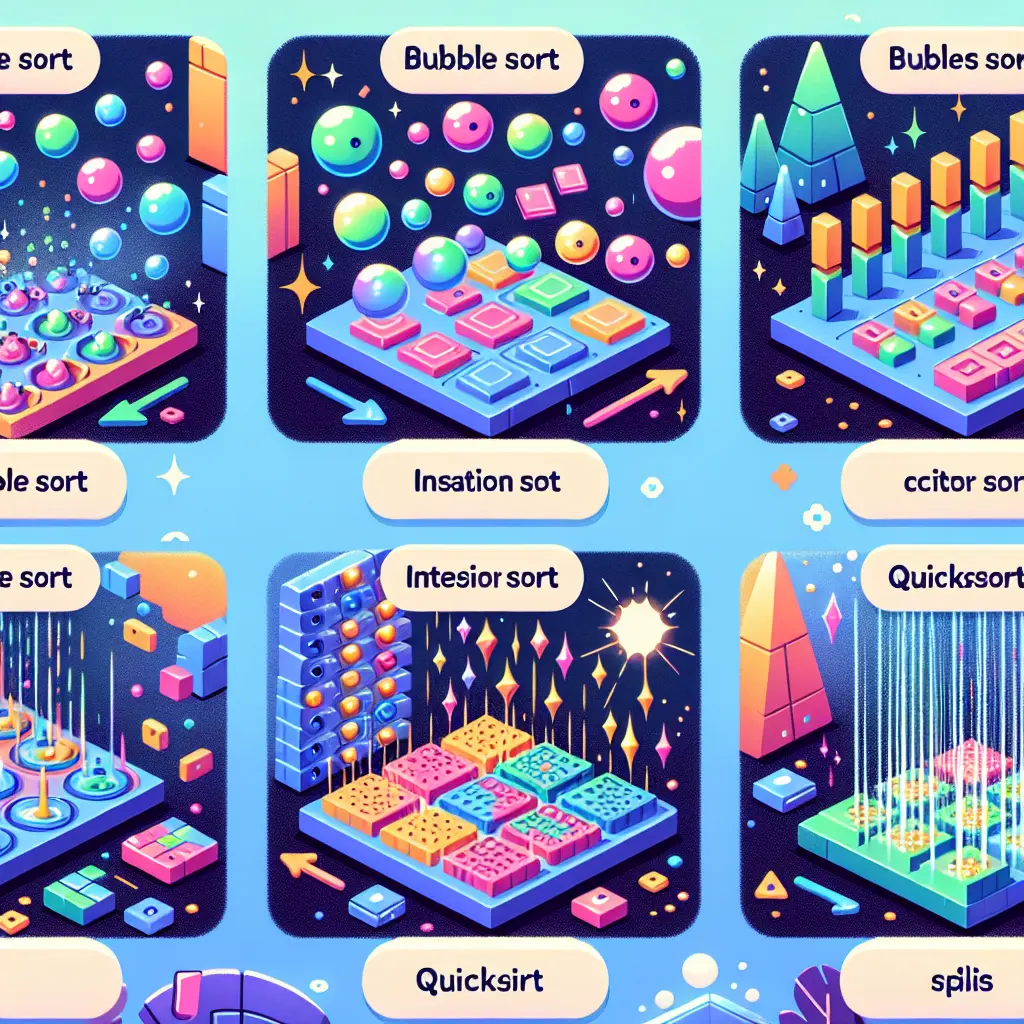
💡 Key Takeaways
- Understand the purpose of sorting: arranging items in a defined order by comparing elements.
- Learn common sorting criteria, such as numerical value and alphabetical order.
- Recognize that many sorting algorithms exist, each with different advantages and trade-offs.
- Get a basic sense of how algorithm choice affects speed, memory use, and stability.
❓ Frequently Asked Questions
What is a sorting algorithm?
A method used to arrange items in a list in a specific order, such as numerical ascending order or alphabetical order, by comparing elements and moving them into the correct positions.
What does stability mean in sorting, and why does it matter?
A stable sort preserves the relative order of equal elements, which matters when equal items carry other information you want to keep in their original order.
What are common types of sorting algorithms and their typical use cases?
Common types include bubble sort and insertion sort for small or nearly sorted data; merge sort and heap sort for reliable performance; and quicksort for fast average performance, with trade-offs in stability and memory.
What factors influence which sorting algorithm to use?
Data size, data characteristics (such as nearly sorted), whether stability is required, memory constraints, and acceptable worst‑case performance.