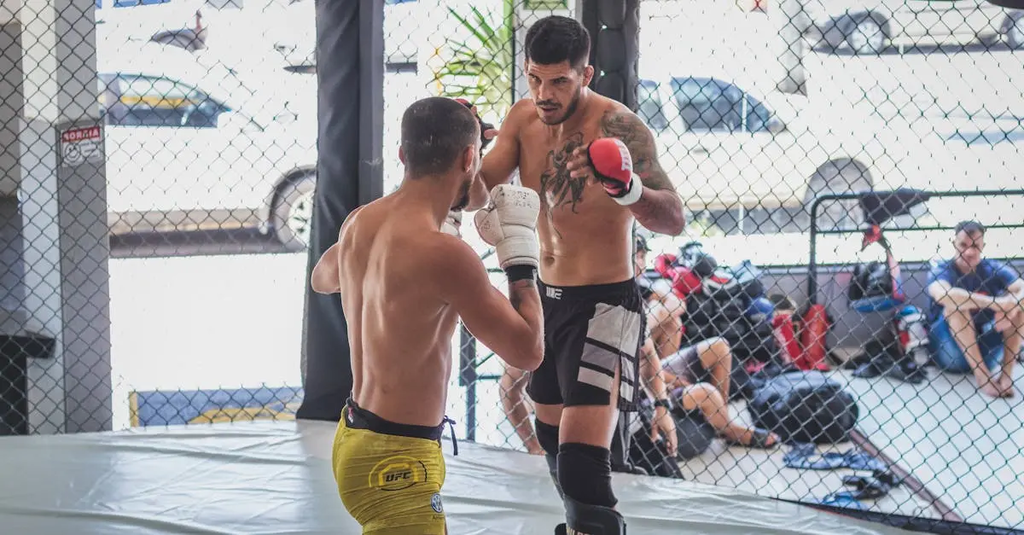
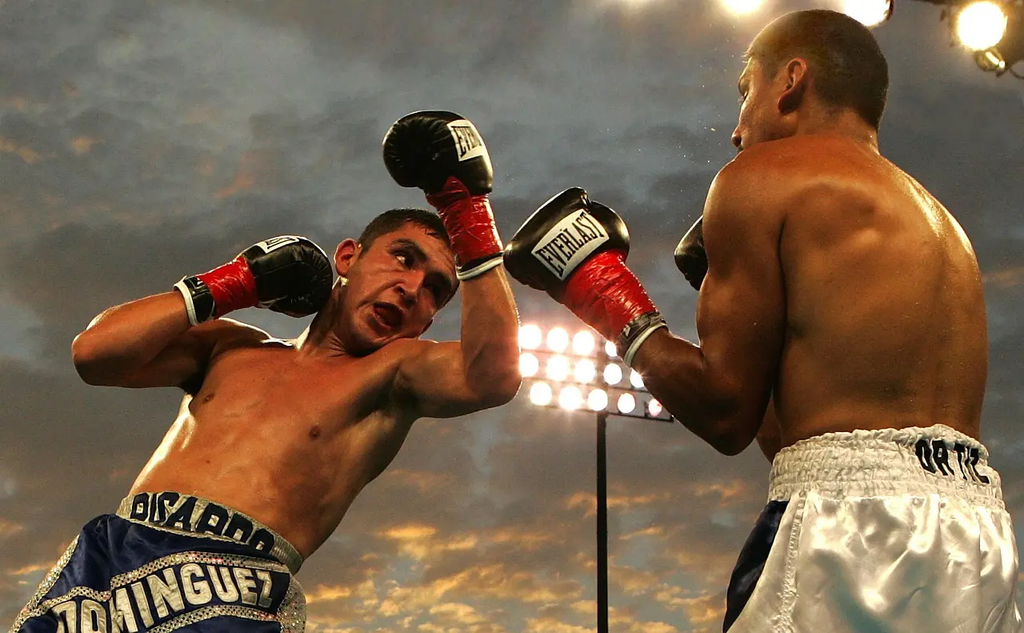
Southpaw vs. Orthodox tactics refer to the strategic adjustments fighters make when a left-handed (southpaw) boxer faces a right-handed (orthodox) opponent. Each aims to position their lead foot outside the other's to gain an advantageous angle for attacks and defense. This matchup often results in clashes of lead hands and feet, making timing, distance, and counter-punching crucial as both seek to exploit openings created by their opposing stances.
Southpaw vs. Orthodox Tactics
Southpaw vs. Orthodox tactics refer to the strategic adjustments fighters make when a left-handed (southpaw) boxer faces a right-handed (orthodox) opponent. Each aims to position their lead foot outside the other's to gain an advantageous angle for attacks and defense. This matchup often results in clashes of lead hands and feet, making timing, distance, and counter-punching crucial as both seek to exploit openings created by their opposing stances.
💡 Key Takeaways
- Understand how outside-foot positioning creates angle advantages in southpaw vs. orthodox matchups.
- Identify the key tactical adjustments (footwork, guard, and target selection) each fighter makes to deny the other's angle.
- Know which punches are most effective against the opposite stance (e.g., the southpaw's straight left and the orthodox fighter's right cross) and how to defend them.
- Incorporate footwork drills to improve outside-stance positioning and rapid angle switching.
- Apply ring-craft concepts to control the center and set up openings through angles rather than relying on power.
❓ Frequently Asked Questions
What does 'southpaw' vs 'orthodox' mean in boxing?
Southpaw is a left-handed stance with the right hand and right foot forward; orthodox is a right-handed stance with the left hand and left foot forward. The matchup often hinges on which fighter can create the better outside angle.
Why is lead-foot positioning important in a southpaw vs orthodox matchup?
Keeping your lead foot outside the opponent's creates advantageous angles for attacks, helps you avoid their power hand, and makes it harder for them to control the ring.
What are common tactical adjustments in this matchup?
Use footwork to maintain the outside angle, circle toward the opponent's right, mix in jabs to disrupt rhythm, and set up straight punches from the outside. Some fighters switch stances briefly to reset angles.
What are typical advantages and challenges for southpaws vs orthodox?
Southpaws often land the straight left and threaten the orthodox’s exposed side but must maintain precise footwork to keep the outside angle. Orthodox fighters can control distance with the left jab and power with the right hand, but risk being drawn into the southpaw's favorable angles.