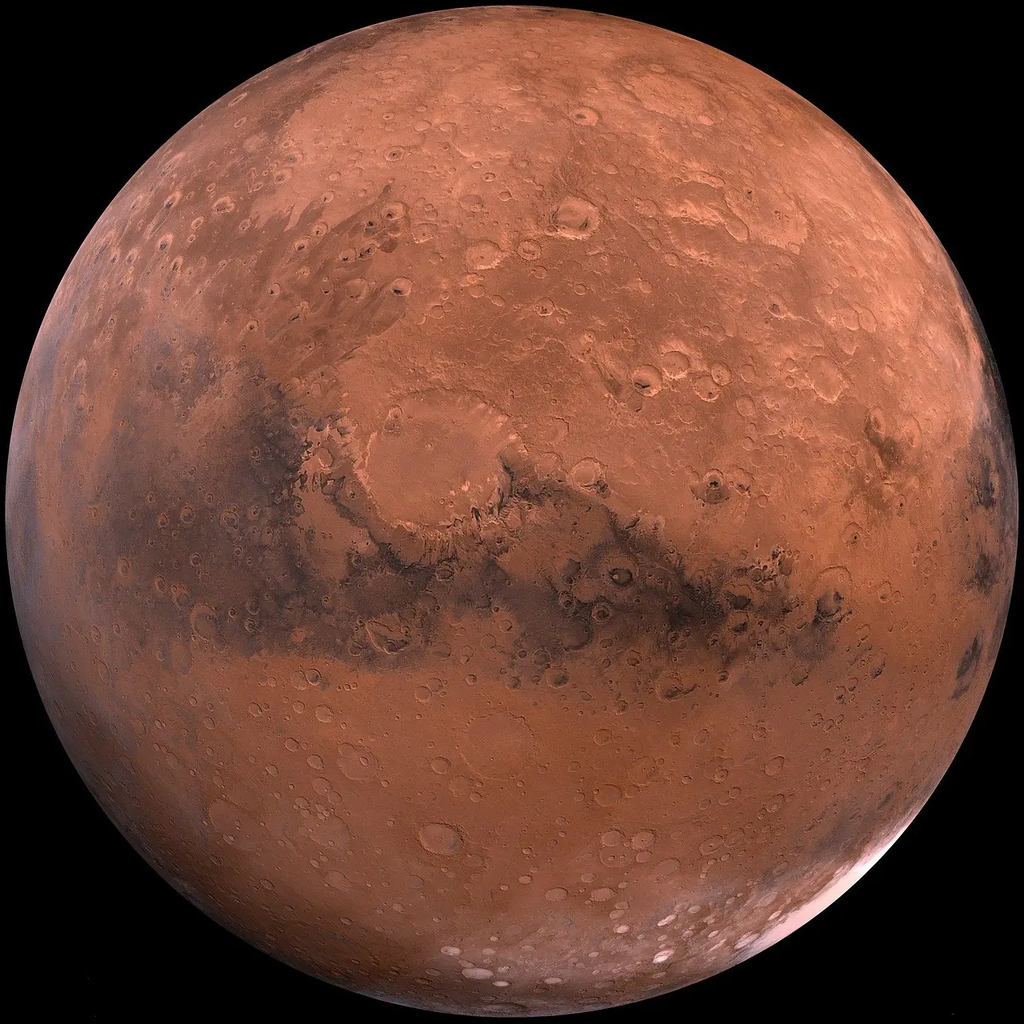
Space missions to Mars involve sending spacecraft, rovers, and probes to study the Red Planet’s surface, atmosphere, and potential for life. These missions aim to uncover Mars’ geological history, search for signs of water, and prepare for possible human exploration. By exploring Mars, scientists hope to answer fundamental questions about our solar system and the potential for life beyond Earth, advancing our quest to explore planets and stars.
Space Missions to Mars
Space missions to Mars involve sending spacecraft, rovers, and probes to study the Red Planet’s surface, atmosphere, and potential for life. These missions aim to uncover Mars’ geological history, search for signs of water, and prepare for possible human exploration. By exploring Mars, scientists hope to answer fundamental questions about our solar system and the potential for life beyond Earth, advancing our quest to explore planets and stars.
💡 Key Takeaways
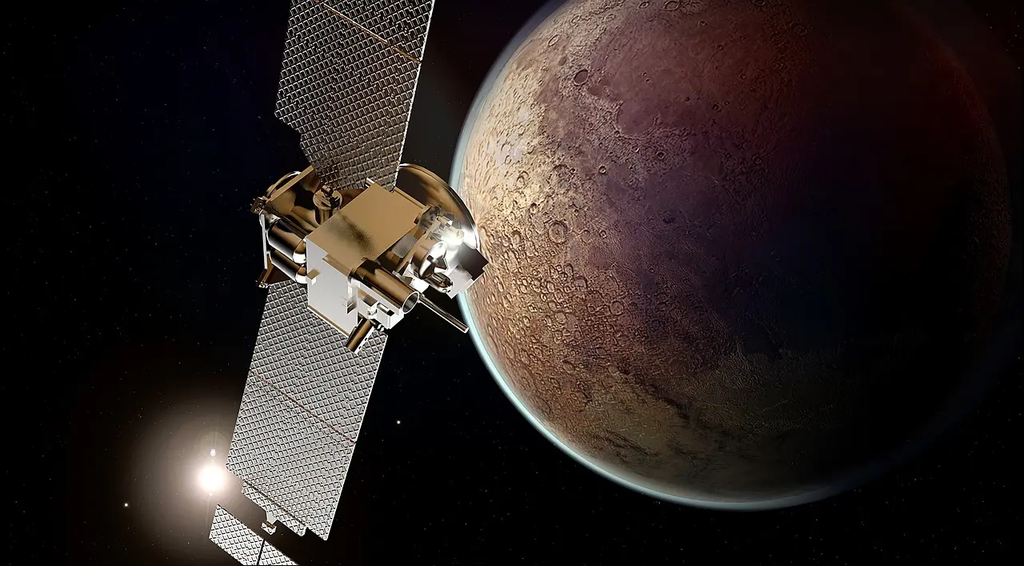
- Distinguish Mars mission types (orbiter, lander, rover, and sample-return) and what each does.
- Highlight major Mars missions and milestones that advanced our understanding (e.g., Viking, Pathfinder, Spirit/Opportunity, Curiosity, Perseverance).
- Explain the main challenges of Mars missions, including entry/descent/landing, radiation, and long communication delays.
- Outline the core science goals of Mars exploration, such as geology, past water activity, atmosphere, and potential habitability.
❓ Frequently Asked Questions
What is the difference between an orbiter, lander, and rover on Mars?
An orbiter stays in Mars orbit to study from above; a lander touches down to analyze local surface materials; a rover travels across the surface to explore a wider area with instruments.
What was the first successful mission to Mars?
Mariner 4 (1965) was the first successful Mars flyby, giving the first close-up photos of the planet.
How do Mars missions reach the planet efficiently?
Launches occur during a favorable 26‑month alignment; spacecraft use a Hohmann transfer to minimize fuel, taking several months to travel to Mars.
What is the goal of Perseverance and similar Mars rovers?
To search for signs of ancient life, collect rock and soil samples, and test technology for returning samples to Earth.