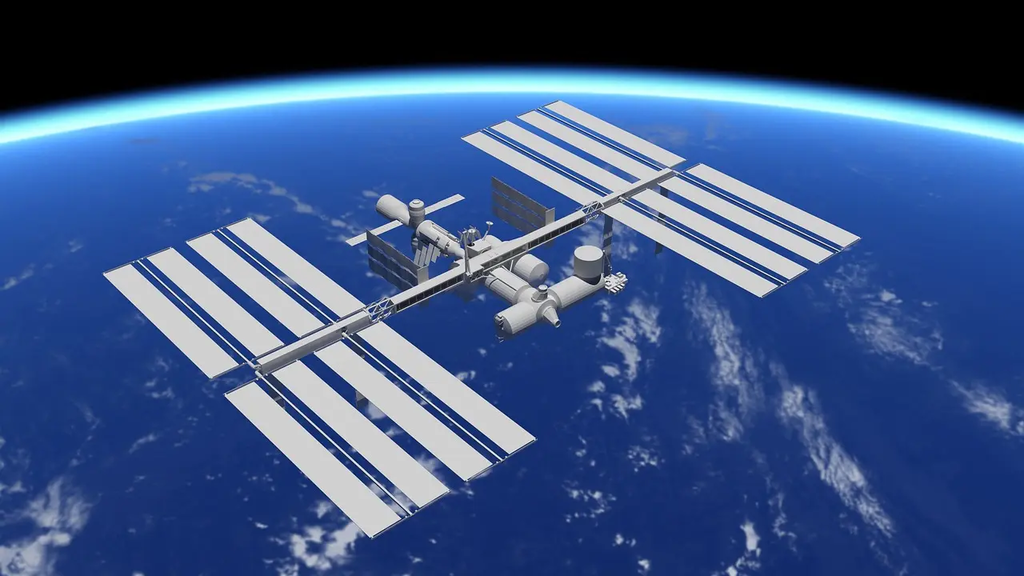
Space weather refers to the changing conditions in space, primarily driven by the Sun’s activity. Solar flares are intense bursts of radiation from the Sun’s surface, often linked to sunspots and magnetic energy release. These flares can disrupt satellite operations, GPS signals, and power grids on Earth. Understanding space weather and solar flares is vital to protect technology and infrastructure from their potentially harmful effects.
Space Weather and Solar Flares
Space weather refers to the changing conditions in space, primarily driven by the Sun’s activity. Solar flares are intense bursts of radiation from the Sun’s surface, often linked to sunspots and magnetic energy release. These flares can disrupt satellite operations, GPS signals, and power grids on Earth. Understanding space weather and solar flares is vital to protect technology and infrastructure from their potentially harmful effects.
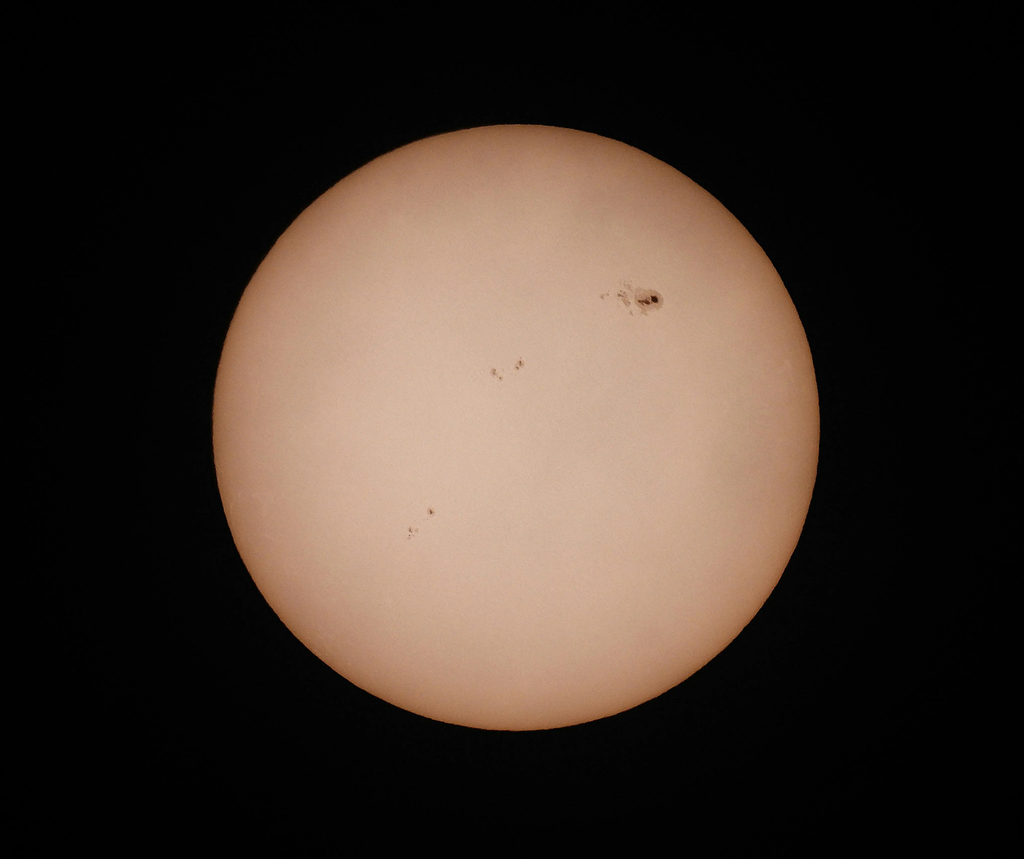
💡 Key Takeaways
- Understand what space weather is and what drives it (solar activity, sunspots, magnetic fields).
- Learn what a solar flare is, how it releases energy, and why it's linked to sunspots.
- Explore how solar flares can disrupt satellites, GPS, and power grids on Earth.
- Discover how scientists forecast space weather and what mitigation measures protect technology and infrastructure.
❓ Frequently Asked Questions
What is space weather?
Space weather describes changing conditions in space driven by the Sun’s activity, including radiation, solar wind, and magnetic activity that can affect Earth and space assets.
What are solar flares?
Solar flares are sudden, intense bursts of radiation from the Sun’s surface, often linked to sunspots and magnetic energy release.
How can solar flares affect technology?
Flares can disrupt satellites, GPS and radio signals, and power grids by altering the upper atmosphere and ionosphere.
What is the link between sunspots and flares?
Sunspots indicate concentrated magnetic activity; flares often originate near these regions as magnetic energy is released.