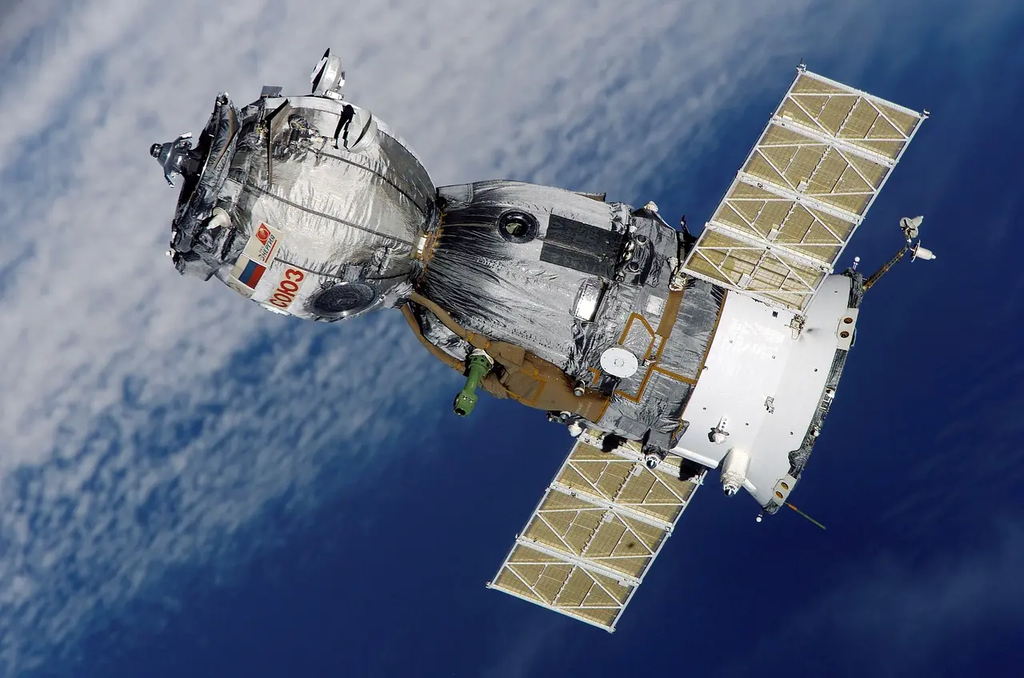
Spacecraft navigation is the process of determining and controlling the position, velocity, and trajectory of a spacecraft as it travels through space. It involves using onboard instruments, ground-based tracking, and computer algorithms to guide the spacecraft to its destination, avoid obstacles, and perform maneuvers. Accurate navigation is essential for mission success, enabling tasks such as planetary landings, orbital insertions, and rendezvous with other objects in space.
Spacecraft Navigation
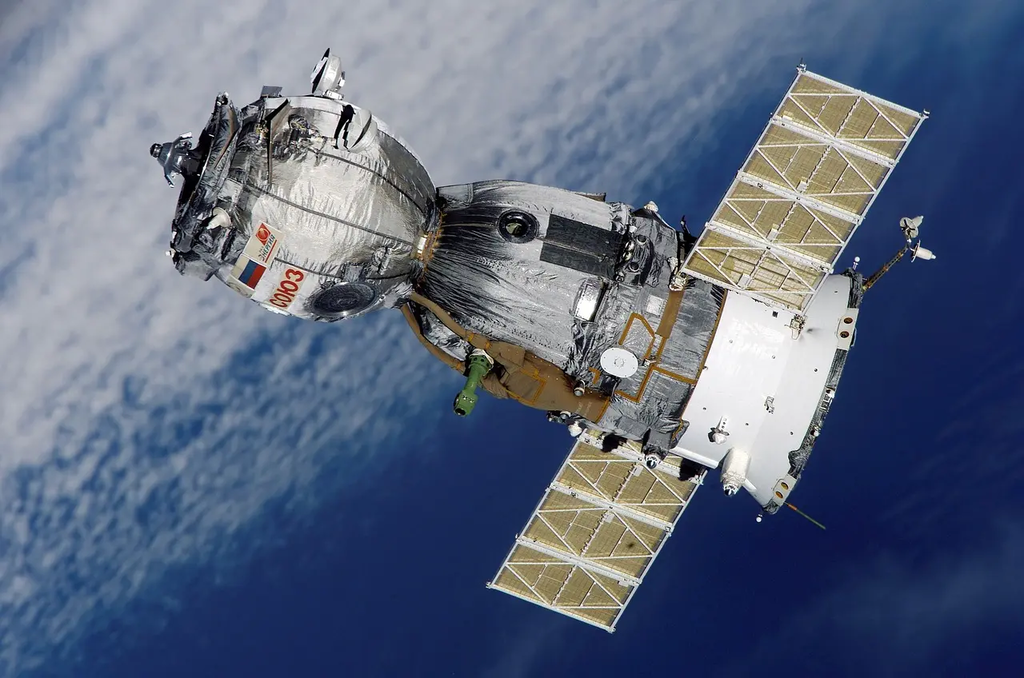
Spacecraft navigation is the process of determining and controlling the position, velocity, and trajectory of a spacecraft as it travels through space. It involves using onboard instruments, ground-based tracking, and computer algorithms to guide the spacecraft to its destination, avoid obstacles, and perform maneuvers. Accurate navigation is essential for mission success, enabling tasks such as planetary landings, orbital insertions, and rendezvous with other objects in space.
💡 Key Takeaways
- Understand the key navigation elements: position, velocity, and trajectory.
- Learn how onboard instruments, ground-based tracking, and data fusion guide spacecraft positioning.
- Discover how computer algorithms plan and update trajectories to reach destinations.
- Explore strategies for obstacle avoidance and course corrections during spaceflight.
❓ Frequently Asked Questions
What is spacecraft navigation?
Spacecraft navigation is the process of determining and controlling a craft's position, velocity, and trajectory to reach a destination, using onboard sensors, ground tracking, and algorithms.
What onboard instruments help determine position and velocity?
Inertial measurement units (IMUs), star trackers, sun sensors, and precise clocks, plus radio ranging data, provide orientation and motion information for navigation.
How does ground-based tracking assist navigation?
Ground stations monitor signals from the spacecraft to measure its position and velocity, then share updates to improve onboard navigation estimates.
What is a trajectory correction maneuver?
A planned engine burn that changes the spacecraft's velocity to steer toward the target, avoid obstacles, or refine the flight path.
How do navigation algorithms guide a spacecraft?
Algorithms estimate the current state from sensor data and compute thrust commands to follow the desired trajectory, often using Kalman filtering and optimization.