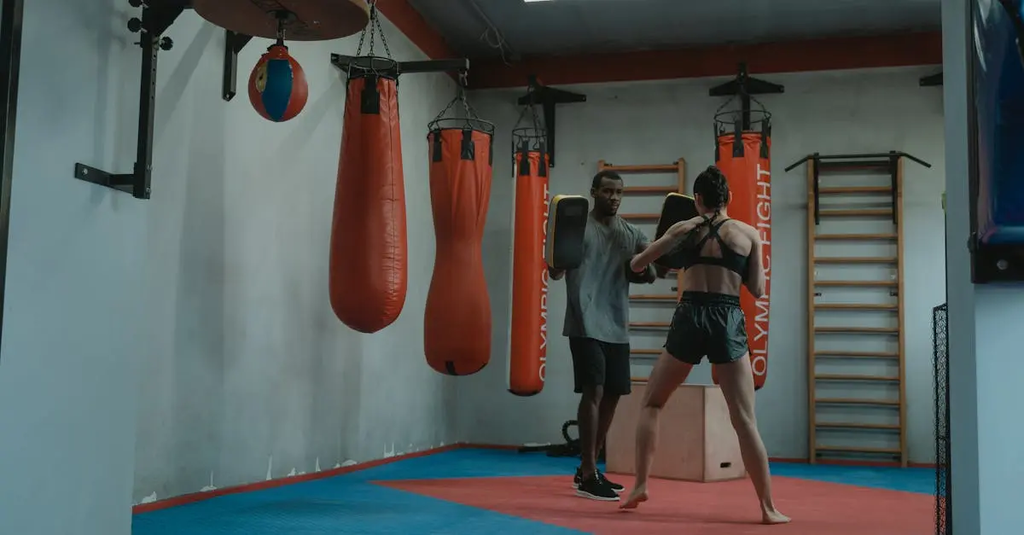
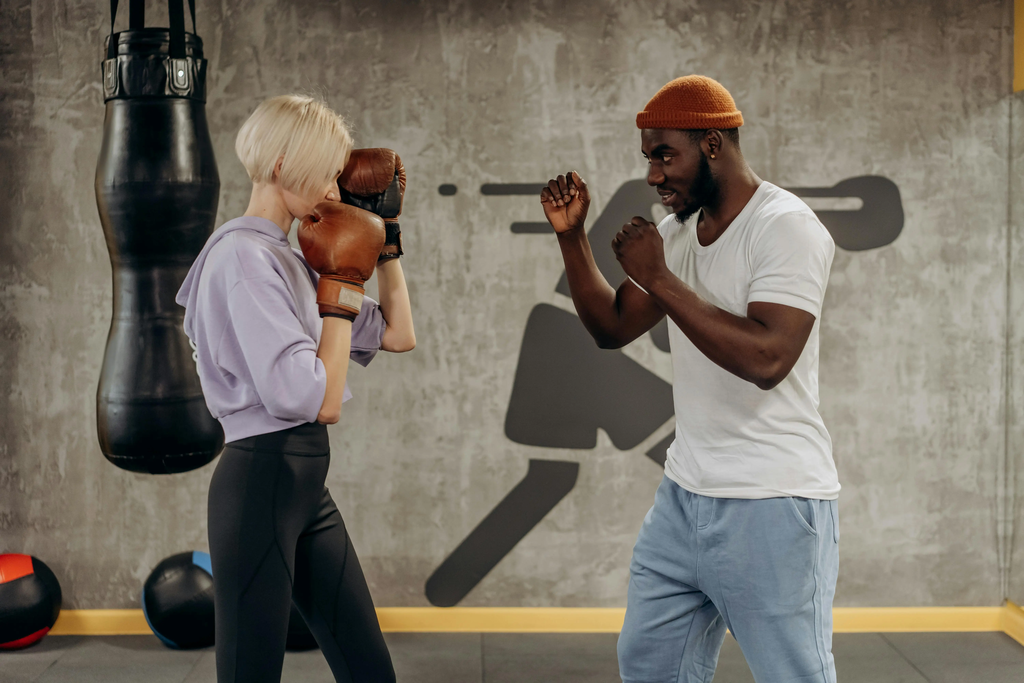
Sparring methodologies refer to structured approaches and techniques used during practice combat sessions to enhance skill, strategy, and timing. These methodologies often vary in intensity and rules, tailored to the participants’ experience levels. Safety is paramount, involving protective gear, supervision, clear communication, and adherence to established protocols to minimize injury risk. Together, effective sparring methodologies and strict safety measures ensure a productive, controlled, and secure training environment for all participants.
Sparring Methodologies and Safety
Sparring methodologies refer to structured approaches and techniques used during practice combat sessions to enhance skill, strategy, and timing. These methodologies often vary in intensity and rules, tailored to the participants’ experience levels. Safety is paramount, involving protective gear, supervision, clear communication, and adherence to established protocols to minimize injury risk. Together, effective sparring methodologies and strict safety measures ensure a productive, controlled, and secure training environment for all participants.

💡 Key Takeaways
- Understand different sparring methodologies—controlled drills, situational rounds, and variable intensity—and when to use each to build skill and strategy.
- See how intensity, rules, and experience level shape sparring structure, safety measures, and feedback.
- Identify essential protective gear and safety practices (gloves, headgear, mouthguard, wraps, and padding) that minimize injury risk.
- Learn how to establish and follow safety protocols before, during, and after sparring, including clear stop signals and coach supervision.
❓ Frequently Asked Questions
What is sparring methodology and why is it used in boxing?
Sparring methodology refers to structured approaches and techniques used during practice bouts to develop skill, strategy, timing, and decision‑making; they adapt to experience and training goals to promote safe progression.
How do sparring intensity levels vary and how should beginners progress?
Intensities range from light, technical sparring to controlled contact and full rounds. Beginners should start with light or no contact, focus on fundamentals and control, and gradually increase intensity under supervision as skill and safety permit.
What safety gear is recommended for sparring?
Common gear includes a mouthguard, boxing gloves of appropriate weight, hand wraps, and headgear (especially for amateurs), plus groin protection; ensure all equipment fits well and is approved by the coach.
How should sparring sessions be structured for safety and learning?
Set clear objectives, define round length and rest periods, establish rules on allowed strikes and targets, have supervision, and stop immediately if pain or danger arises; include a brief debrief after sessions.
Why are etiquette and communication important during sparring?
Good communication and mutual respect reduce injuries: use signals to pause or adjust, give constructive feedback, listen to your partner, and adapt pace to their comfort level.