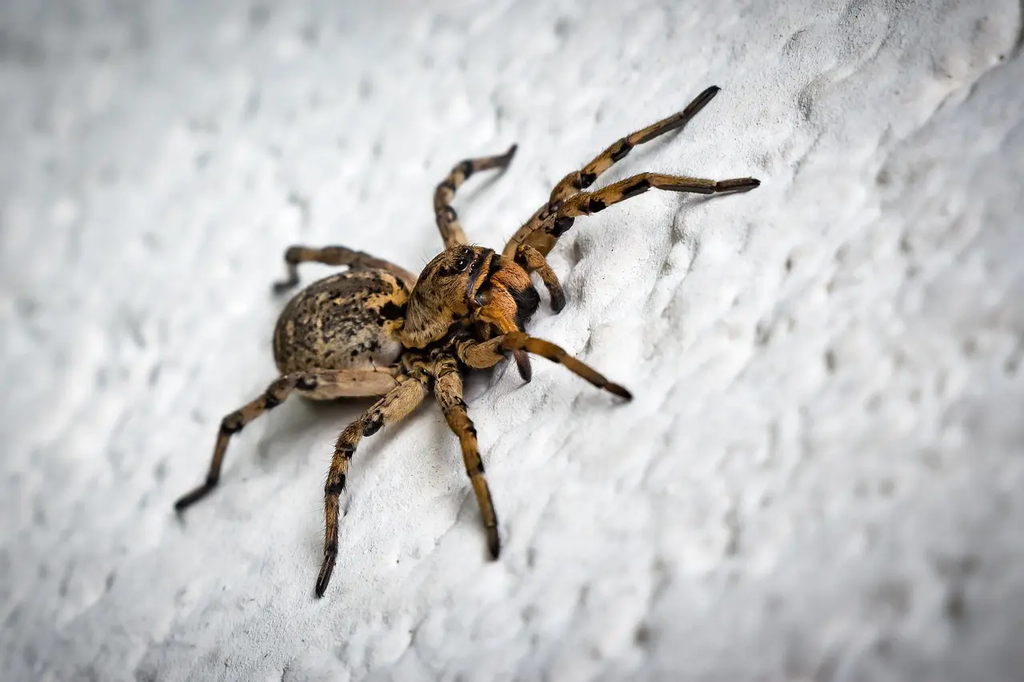
Specific phobia subtypes classification refers to the categorization of intense, irrational fears of particular objects or situations. These subtypes include animal type (e.g., fear of dogs or spiders), natural environment type (e.g., heights, storms), blood-injection-injury type (e.g., needles, medical procedures), situational type (e.g., flying, elevators), and other types (e.g., choking, loud noises). This classification helps clinicians diagnose and tailor treatment for individuals with specific phobias.
Specific Phobia Subtypes Classification
Specific phobia subtypes classification refers to the categorization of intense, irrational fears of particular objects or situations. These subtypes include animal type (e.g., fear of dogs or spiders), natural environment type (e.g., heights, storms), blood-injection-injury type (e.g., needles, medical procedures), situational type (e.g., flying, elevators), and other types (e.g., choking, loud noises). This classification helps clinicians diagnose and tailor treatment for individuals with specific phobias.
💡 Key Takeaways
- Identify the main subtypes of Specific Phobias—Animal Type, Natural Environment Type, Blood-Injection-Injury Type, and Situational Type—with brief examples.
- Learn how fears are diagnosed based on persistent distress, disproportionate fear, and avoidance that leads to impairment.
- Recognize common examples and avoidance patterns for each subtype (e.g., dogs/spiders for Animal; heights/storms for Natural Environment; needles/medical procedures for Blood-Injection-Injury; flying/elevators for Situational).
- Understand that specific phobias commonly begin in childhood or adolescence and may require assessment and evidence-based treatment to reduce distress.
❓ Frequently Asked Questions
What is specific phobia subtypes classification?
Specific phobia is an intense, irrational fear of a specific object or situation that leads to avoidance and impairment. Subtypes classification groups these fears by trigger: animal type, natural environment type, and blood-injection-injury type.
What are examples of the main phobia subtypes?
Animal type includes fears of dogs, spiders, or snakes. Natural environment type covers heights, storms, or water. Blood-injection-injury type includes needles, injections, or medical procedures.
How is a phobia subtype determined?
A clinician usually uses interviews and questionnaires to identify the primary trigger, and to confirm the fear has lasted 6+ months with avoidance or impairment.
Why is subtype classification useful for quizzes or treatment?
Knowing the subtype helps explain a fear and guides targeted exposure strategies and coping steps for that trigger.