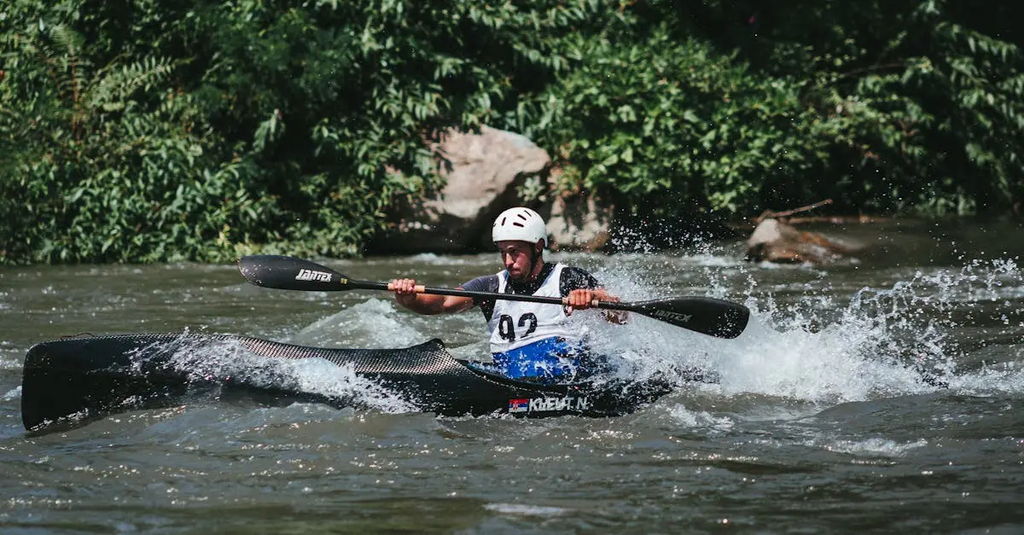
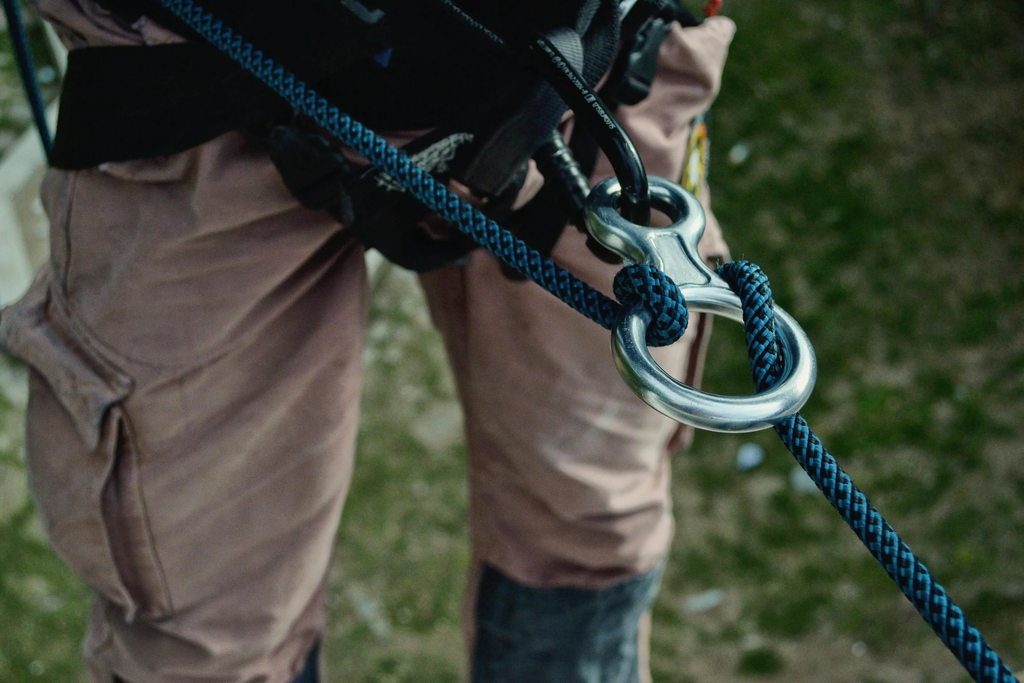
Speed ascents and FKTs (Fastest Known Times) refer to the pursuit of completing a climbing route, mountain, or trail as quickly as possible. Speed ascents focus on reducing the time taken to reach a summit or complete a climb, often under challenging conditions. FKTs are officially recorded fastest times on established routes, verified by GPS or witnesses. Both emphasize efficiency, athleticism, and pushing personal or community records in outdoor adventure sports.
Speed Ascents and FKTs
Speed ascents and FKTs (Fastest Known Times) refer to the pursuit of completing a climbing route, mountain, or trail as quickly as possible. Speed ascents focus on reducing the time taken to reach a summit or complete a climb, often under challenging conditions. FKTs are officially recorded fastest times on established routes, verified by GPS or witnesses. Both emphasize efficiency, athleticism, and pushing personal or community records in outdoor adventure sports.
💡 Key Takeaways
- Define speed ascents and FKTs and explain how they differ in scope, measurement, and record-keeping.
- Identify key strategies for reducing ascent time, including route planning, pacing, training, and gear/conditions optimization.
- Learn the safety considerations and decision-making processes involved in fast climbs, including risk assessment and when to turn back.
- Understand how FKTs are recorded and verified, including evidence requirements, GPS tracking, and the role of official communities.
❓ Frequently Asked Questions
What is a speed ascent?
A speed ascent is completing a climbing route, mountain, or trail as quickly as possible, focusing on efficient navigation, pacing, and minimizing stops, often under challenging conditions.
What does FKT stand for and what is it?
FKT stands for Fastest Known Time. It is the official record for the fastest completion of a defined route or objective, verified under published rules.
How are FKTs verified?
FKTs are verified through verifiable evidence such as GPS data, timestamps, trip logs, photos, and sometimes independent witnesses or a governing body.
What factors influence speed ascents?
Factors include terrain difficulty, weather, route choice, physical conditioning, gear, nutrition, sleep, and team coordination.
Is a speed ascent safe?
Speed ascents can be risky; safety should come first. Ensure proper training, planning, appropriate gear, and adherence to safety and route rules.