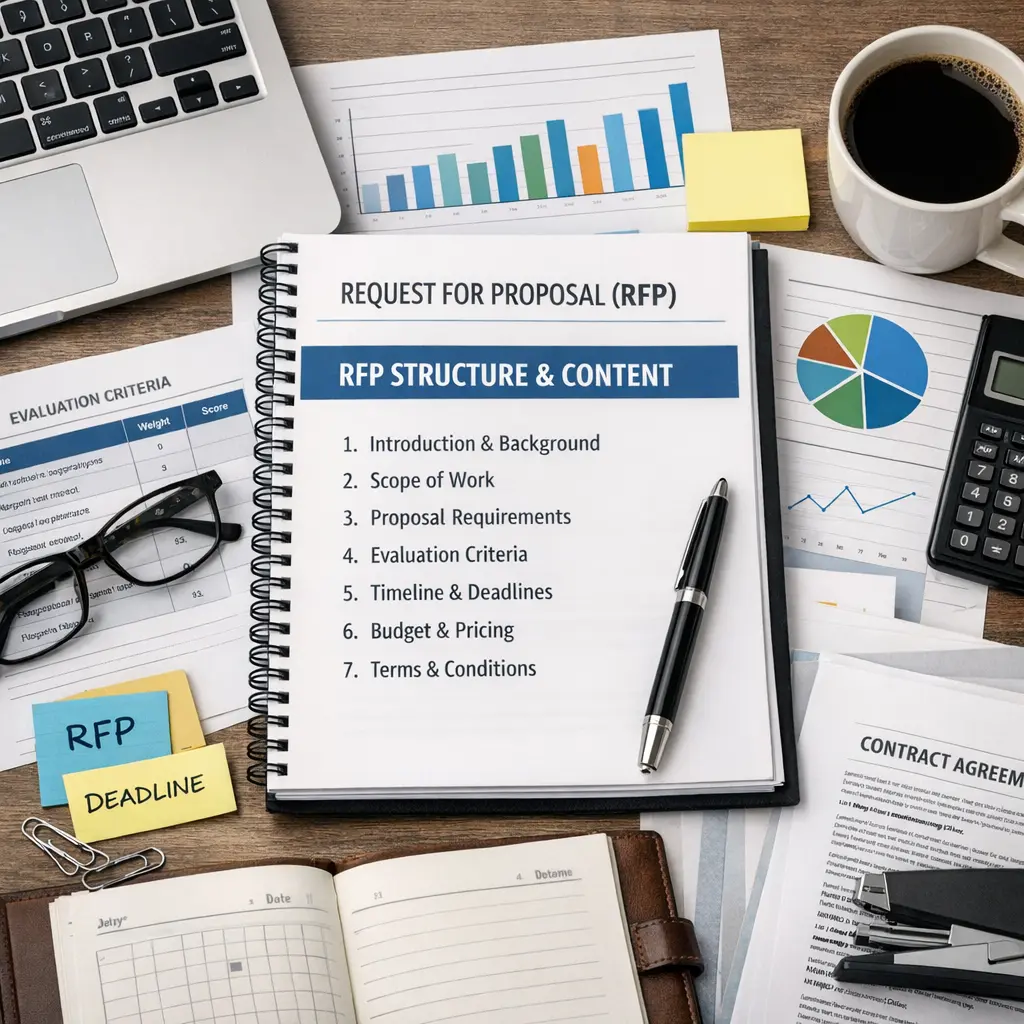
Spend Governance and Policy Frameworks in the context of Tender and Procurement refer to the structured set of rules, processes, and controls organizations use to manage and oversee how funds are allocated and spent. These frameworks ensure transparency, compliance, and accountability in sourcing goods and services, guiding decision-making, risk management, and supplier selection. They help optimize value, prevent fraud, and align procurement activities with organizational objectives and regulatory requirements.
Spend Governance and Policy Frameworks
Spend Governance and Policy Frameworks in the context of Tender and Procurement refer to the structured set of rules, processes, and controls organizations use to manage and oversee how funds are allocated and spent. These frameworks ensure transparency, compliance, and accountability in sourcing goods and services, guiding decision-making, risk management, and supplier selection. They help optimize value, prevent fraud, and align procurement activities with organizational objectives and regulatory requirements.

💡 Key Takeaways
- Understand spend governance and its core components (policies, controls, oversight).
- Learn common policy frameworks for procurement, budgeting, and spend approvals.
- Explore how to design effective spend governance processes (authorization, segregation of duties, audits, and reporting).
- Identify risks, controls, and metrics to monitor spend compliance and prevent fraud or overspending.
❓ Frequently Asked Questions
What is spend governance?
A set of processes, roles, and controls to ensure spending aligns with objectives and is legal, transparent, and value-for-money.
What is a policy framework for spend governance?
A formal structure of policies, rules, and procedures guiding budgeting, procurement, approvals, and accountability.
What are the key components of a spend governance framework?
Policies, delegated authorities, budgeting cycles, procurement rules, risk controls, performance metrics, and reporting.
How does spend governance improve accountability and transparency?
By documenting decisions, tracking spend, enabling oversight, and requiring regular reporting and audits.
What metrics indicate effective spend governance?
Policy compliance, budget variance, procurement cycle time, realized savings, and audit results.