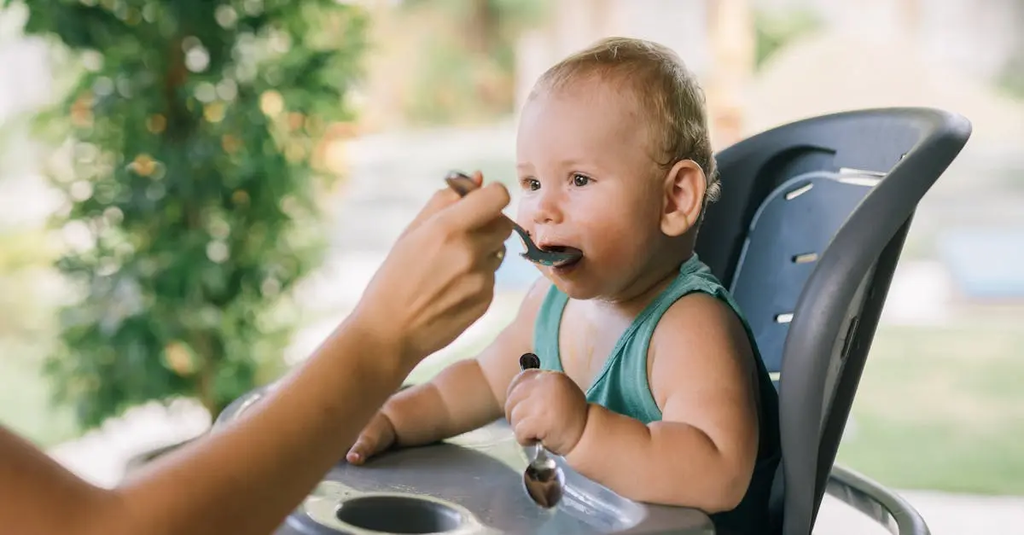
Spoon-fed purees involve parents feeding babies smooth, blended foods, allowing control over portion and texture, often starting around six months. In contrast, baby-led weaning encourages infants to self-feed soft, appropriately sized finger foods, promoting independence and motor skills. Both methods aim to introduce solids alongside continued milk feeds. Night weaning—reducing nighttime feeds—often coincides with solid food introduction, supporting longer sleep stretches and evolving nutritional needs.
Spoon-fed purees vs baby-led weaning overview
Spoon-fed purees involve parents feeding babies smooth, blended foods, allowing control over portion and texture, often starting around six months. In contrast, baby-led weaning encourages infants to self-feed soft, appropriately sized finger foods, promoting independence and motor skills. Both methods aim to introduce solids alongside continued milk feeds. Night weaning—reducing nighttime feeds—often coincides with solid food introduction, supporting longer sleep stretches and evolving nutritional needs.
💡 Key Takeaways
- Distinguish spoon-fed puree feeding from baby-led weaning and their guiding principles
- Compare benefits and risks for development, self-feeding skills, and family mealtimes
- Identify readiness cues and safe-feeding practices for introducing BLW (textures, gagging vs choking)
- Understand nutrition considerations, including iron intake and how to ensure balanced meals in both approaches
❓ Frequently Asked Questions
What is spoon-fed purees in infant weaning?
A method where caregivers spoon-feed smooth or mashed foods to the infant, typically starting around 6 months, gradually moving to thicker textures while focusing on iron-rich options.
What is baby-led weaning (BLW)?
An approach where babies self-feed from the start of complementary feeding, using soft, easy-to-grasp finger foods to explore textures and develop self-feeding skills.
How do spoon-fed purees and BLW differ?
Spoon-fed relies on caregiver control and smooth textures; BLW emphasizes self-feeding with finger foods, promoting independence and different texture exposure.
What safety and nutrition considerations apply to both methods?
Always supervise feeding; choose age-appropriate foods; for BLW provide soft, small pieces to reduce choking risk; ensure iron-rich foods; consult a pediatrician for allergies and suitability.