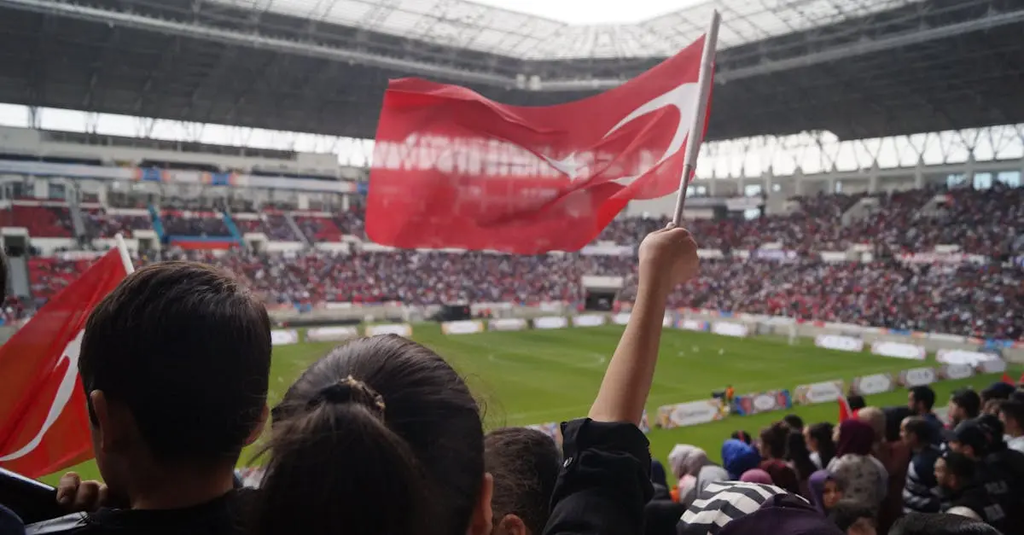
Sport plays a significant role in shaping national identity, with football and cricket serving as powerful symbols of unity and pride in many countries. These games often transcend mere competition, reflecting cultural values, historical narratives, and collective aspirations. Victories and rivalries in football and cricket can evoke strong emotions, foster social cohesion, and even influence political discourse, highlighting how deeply sport is woven into the fabric of society.
Sport and society: football, cricket, and national identity
Sport plays a significant role in shaping national identity, with football and cricket serving as powerful symbols of unity and pride in many countries. These games often transcend mere competition, reflecting cultural values, historical narratives, and collective aspirations. Victories and rivalries in football and cricket can evoke strong emotions, foster social cohesion, and even influence political discourse, highlighting how deeply sport is woven into the fabric of society.
💡 Key Takeaways
- See how football and cricket symbolize national pride and unity in the UK.
- Explore how major rivalries and fixtures shape national narratives and memory, such as The Ashes and England–Scotland football.
- Understand how sport mirrors social and regional identities, including class and regional loyalties.
- Learn how moments of victory or defeat influence national myths and Britain’s sporting storytelling.
❓ Frequently Asked Questions
What role does sport play in shaping national identity?
Sport provides shared experiences, symbols (national teams, clubs, stadiums) and stories that help people feel connected to a larger national history, especially in the UK where football and cricket have deep regional and national meanings.
Why are football and cricket powerful symbols of unity and pride?
Their long histories and wide participation bring communities together; major events (e.g., The Ashes, the FA Cup, and international football tournaments) generate common pride and public celebration across diverse backgrounds.
How do rivalries shape cultural narratives in sport?
Rivalries highlight regional or national identities, fuel memorable narratives, and reveal historical tensions; they can unify fans through shared loyalty or illustrate social divides that sport then mediates.
What is the significance of sporting victories for national memory?
Victories become milestone moments in national memory, celebrated in media and education, and can elevate morale, reinforce identity, and provide a sense of collective achievement.