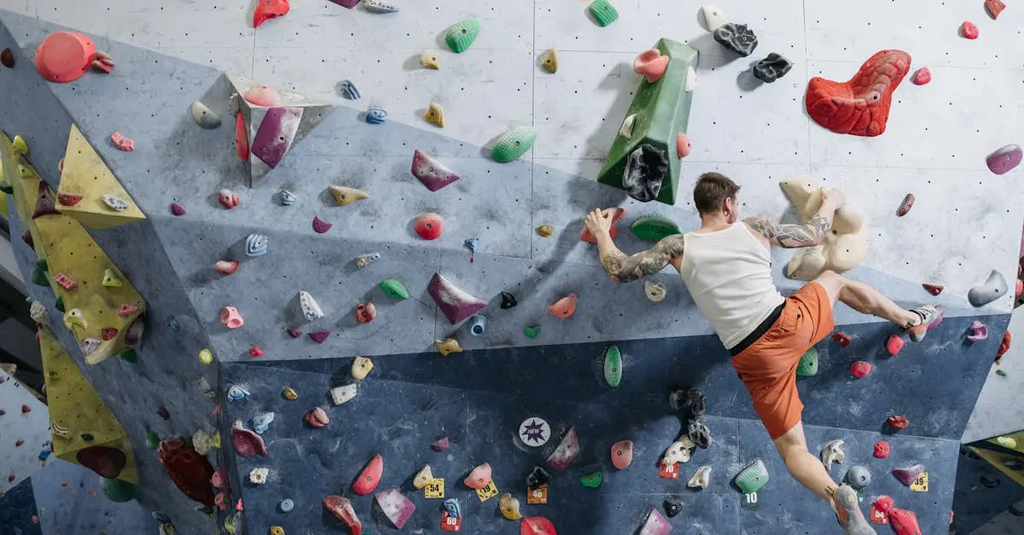
Sport climbing techniques refer to the various skills and methods climbers use to ascend artificial or natural rock walls safely and efficiently. These techniques include precise footwork, proper body positioning, dynamic and static movements, efficient use of holds, and effective clipping of the rope into protection points. Mastery of techniques such as flagging, smearing, edging, and mantling is essential for conserving energy, maintaining balance, and overcoming challenging routes in sport climbing.
Sport Climbing Techniques
Sport climbing techniques refer to the various skills and methods climbers use to ascend artificial or natural rock walls safely and efficiently. These techniques include precise footwork, proper body positioning, dynamic and static movements, efficient use of holds, and effective clipping of the rope into protection points. Mastery of techniques such as flagging, smearing, edging, and mantling is essential for conserving energy, maintaining balance, and overcoming challenging routes in sport climbing.
💡 Key Takeaways
- Understand precise footwork and weight transfer to improve efficiency and safety.
- Learn how to position your hips and upper body for balance and energy conservation.
- Differentiate and apply dynamic and static movements to suit each route.
- Master efficient use of holds, grip strategies, and safe rope clipping during ascent.
❓ Frequently Asked Questions
What is sport climbing?
Sport climbing uses fixed anchors and protection on routes, allowing climbers to ascend artificial or natural walls with a rope and belay for safety.
What is the difference between dynamic and static movements in sport climbing?
Dynamic movements rely on momentum to reach holds, while static movements involve careful, controlled placements with minimal momentum.
How does footwork and body positioning affect climbing efficiency?
Accurate foot placement and keeping your hips close to the wall help balance, conserve energy, and let you reach holds more efficiently.
What does clipping the rope mean and why is it important?
Clipping the rope means threading it through quickdraws as you climb to protect against falls; proper clipping keeps rope management safe and reduces drag.