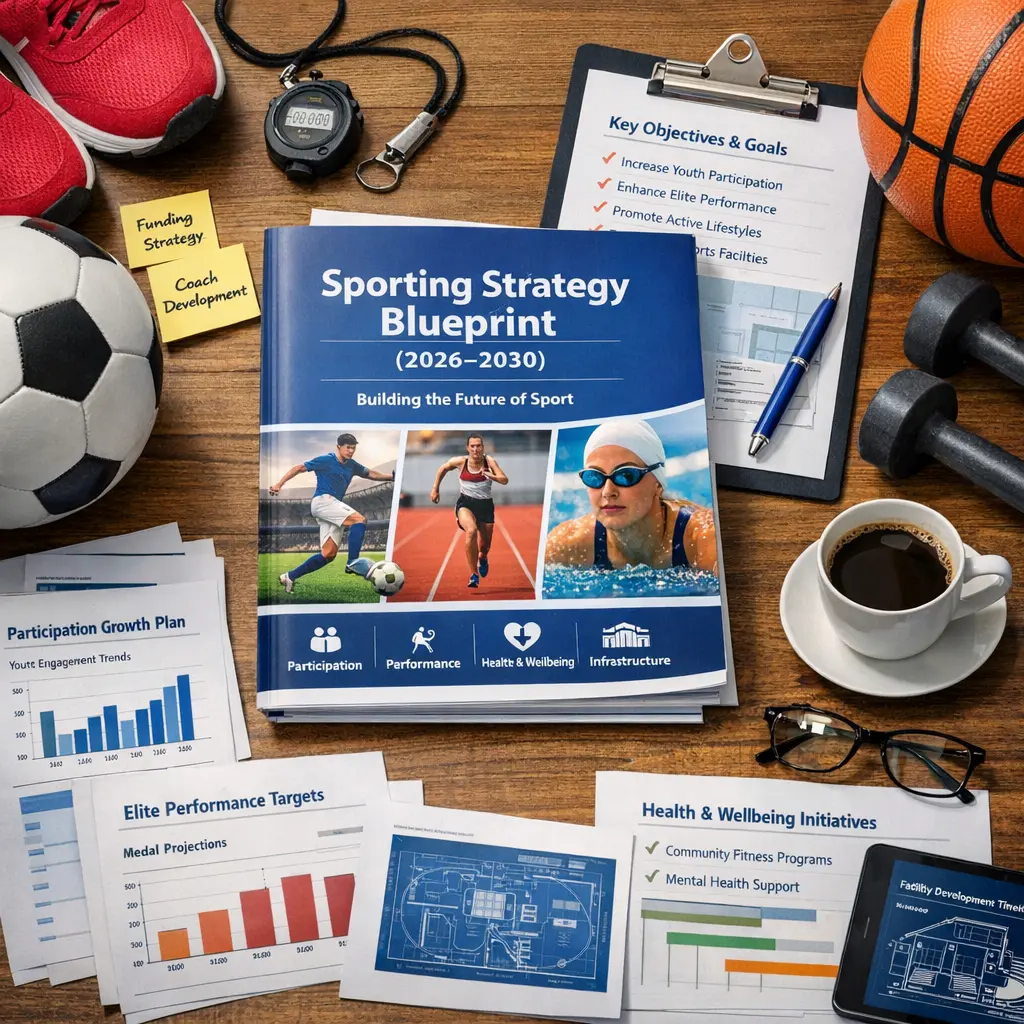
The Sporting Strategy Blueprint (2026–2030) for Manchester United F.C. outlines the club’s vision and objectives for maintaining competitive excellence. It focuses on developing youth talent, enhancing scouting networks, integrating advanced analytics, and fostering a winning culture. The blueprint emphasizes sustainable squad building, investment in facilities, and alignment with the club’s heritage. Its goal is to secure domestic and European success while ensuring long-term stability and adaptability in an evolving football landscape.
Sporting Strategy Blueprint (2026–2030)
The Sporting Strategy Blueprint (2026–2030) for Manchester United F.C. outlines the club’s vision and objectives for maintaining competitive excellence. It focuses on developing youth talent, enhancing scouting networks, integrating advanced analytics, and fostering a winning culture. The blueprint emphasizes sustainable squad building, investment in facilities, and alignment with the club’s heritage. Its goal is to secure domestic and European success while ensuring long-term stability and adaptability in an evolving football landscape.
💡 Key Takeaways
- Grasp how to translate 2026–2030 goals into clear, actionable sports program milestones.
- Learn to define and monitor key performance indicators (KPIs) for on-field results, player development, and financial health.
- Discover how data analytics, scouting, and tactical insights drive strategic decisions.
- Understand governance, sustainability, and stakeholder engagement essential for modern sporting strategy.
❓ Frequently Asked Questions
What is a sporting strategy blueprint?
A long-range plan for competing from 2026 through 2030, outlining goals, tactics, player development, training, analytics, and resource use.
What are the core components of a modern sporting strategy?
Clear goals, a tactical plan, talent development and recruitment, data analytics, training and conditioning, injury prevention, and governance.
How does data analytics influence strategy?
It guides player selection, opposition scouting, load management, and resource allocation by turning data into actionable insights.
How should a strategy address player welfare?
Prioritize health and well-being with balanced training loads, adequate rest, proper nutrition, and attention to mental health to sustain performance.