Sports nutrition for strength and power focuses on fueling the body to maximize muscle growth, explosive energy, and optimal recovery. It emphasizes adequate protein intake for muscle repair, carbohydrates for energy, and healthy fats for hormone production. Proper hydration, timing of meals, and micronutrients also play crucial roles. Tailored nutrition plans support intense training, reduce fatigue, and enhance performance for athletes in sports like weightlifting, sprinting, and football.
Sports Nutrition for Strength & Power
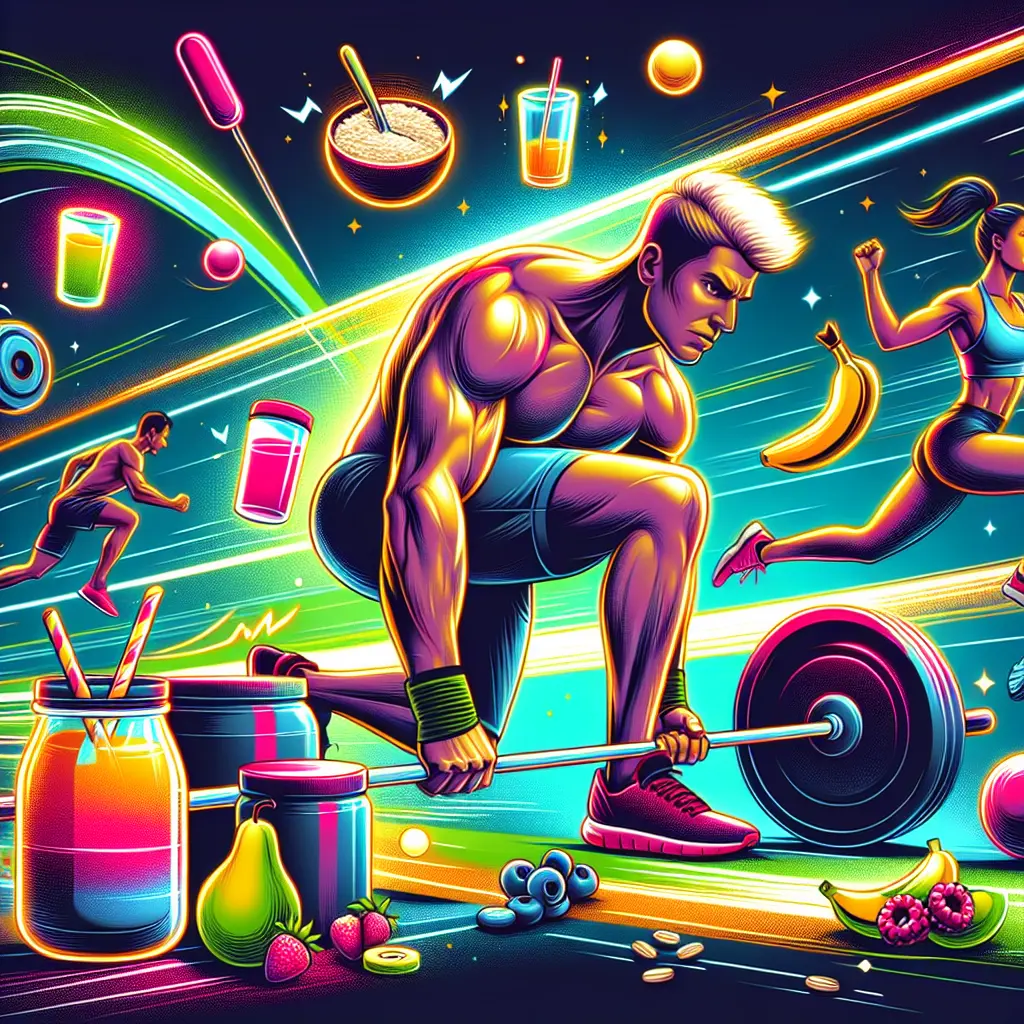
Sports nutrition for strength and power focuses on fueling the body to maximize muscle growth, explosive energy, and optimal recovery. It emphasizes adequate protein intake for muscle repair, carbohydrates for energy, and healthy fats for hormone production. Proper hydration, timing of meals, and micronutrients also play crucial roles. Tailored nutrition plans support intense training, reduce fatigue, and enhance performance for athletes in sports like weightlifting, sprinting, and football.
💡 Key Takeaways
- Understand how protein supports muscle repair and growth and how to estimate your daily needs for strength training.
- Explain how carbohydrates fuel explosive energy during workouts and aid recovery after training.
- Recognize the role of healthy fats in hormone production and long‑lasting energy for power performance.
- Describe how hydration and meal timing around workouts optimize energy, performance, and recovery.
❓ Frequently Asked Questions
What is the main goal of sports nutrition for strength and power?
To fuel muscle growth, provide energy for intense training, and speed recovery.
How much protein do strength athletes need daily?
Protein supports muscle repair and growth. Aim about 1.6–2.2 g/kg of body weight per day, distributed across 3–4 meals.
What role do carbohydrates play in performance?
Carbs replenish muscle glycogen for high‑intensity efforts and aid recovery. Daily intake varies with training load (roughly 3–7 g/kg/day), with more on heavy training days.
Which fats are important for strength and power, and what should you choose?
Healthy fats support hormone production and overall health. Focus on unsaturated fats from fish, nuts, seeds, and olive oil; moderate saturated fats.
How should meals and hydration be timed around workouts?
Have a balanced meal with carbs and protein 1–3 hours before training; post-workout, eat a protein+carb meal within 30–60 minutes. Stay hydrated before, during, and after exercise; adjust for sweat loss.