Spotting investment scams and pump-and-dumps involves recognizing warning signs such as unrealistic promises of high returns, aggressive sales tactics, lack of transparency, and pressure to act quickly. Scammers often use hype to artificially inflate asset prices before selling off their holdings, leaving others with losses. Careful research, skepticism of unsolicited offers, and verifying the legitimacy of investment opportunities are essential to avoid falling victim to these fraudulent schemes.
Spotting investment scams and pump-and-dumps
Spotting investment scams and pump-and-dumps involves recognizing warning signs such as unrealistic promises of high returns, aggressive sales tactics, lack of transparency, and pressure to act quickly. Scammers often use hype to artificially inflate asset prices before selling off their holdings, leaving others with losses. Careful research, skepticism of unsolicited offers, and verifying the legitimacy of investment opportunities are essential to avoid falling victim to these fraudulent schemes.
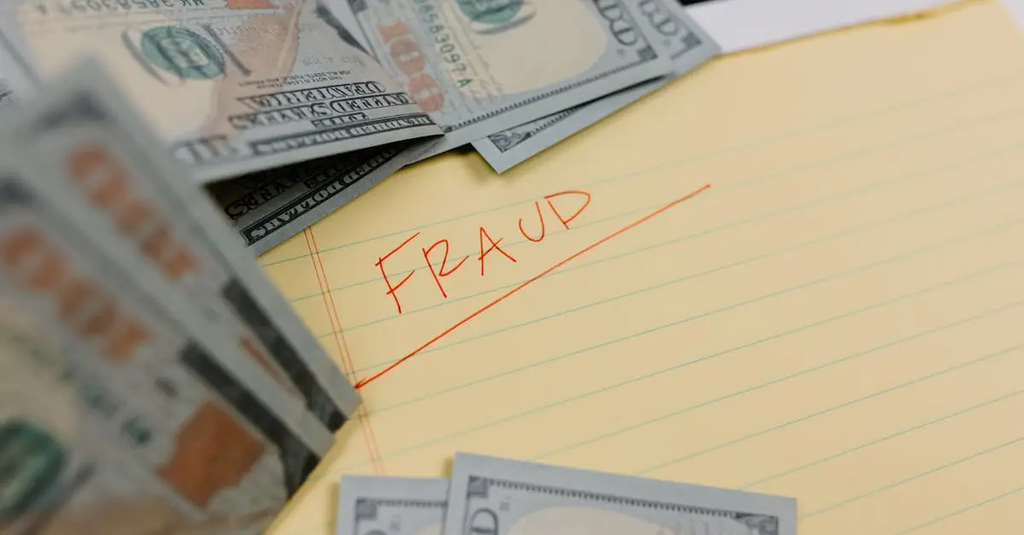
💡 Key Takeaways
- Identify red flags in investment pitches, such as promised high returns with little risk.
- Recognize aggressive sales tactics and pressure to act quickly without due diligence.
- Spot lack of transparency, hidden fees, or vague information about the investment.
- Understand pump-and-dump schemes: hype-driven price increases followed by rapid sell-offs.
❓ Frequently Asked Questions
What is a pump-and-dump scheme?
A scam where promoters hype a thinly traded asset to inflate its price, then sell their holdings, causing the price to collapse and leaving others with losses.
What are common warning signs of investment scams?
Unrealistic promises of high returns, aggressive or hard-sell tactics, lack of transparent information, pressure to act quickly, secrecy or requests for unusual data, and claims of insider access.
How can you protect yourself from pump-and-dump schemes?
Do independent research, verify information from reputable sources, check the asset’s liquidity and fundamentals, avoid decisions based on hype, don’t invest more than you can afford to lose, and consider consulting a licensed advisor.
What should you do if you suspect a scam?
Pause trading, document the details, report the suspected scam to regulators or the platform, notify your financial institution if needed, and warn others to avoid similar risks.