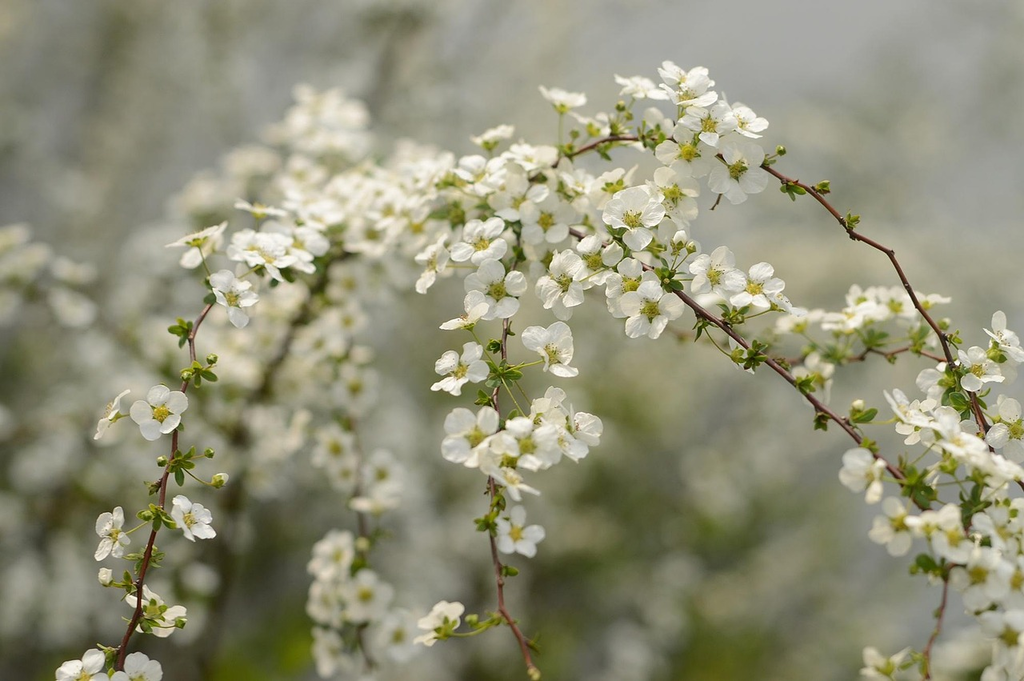
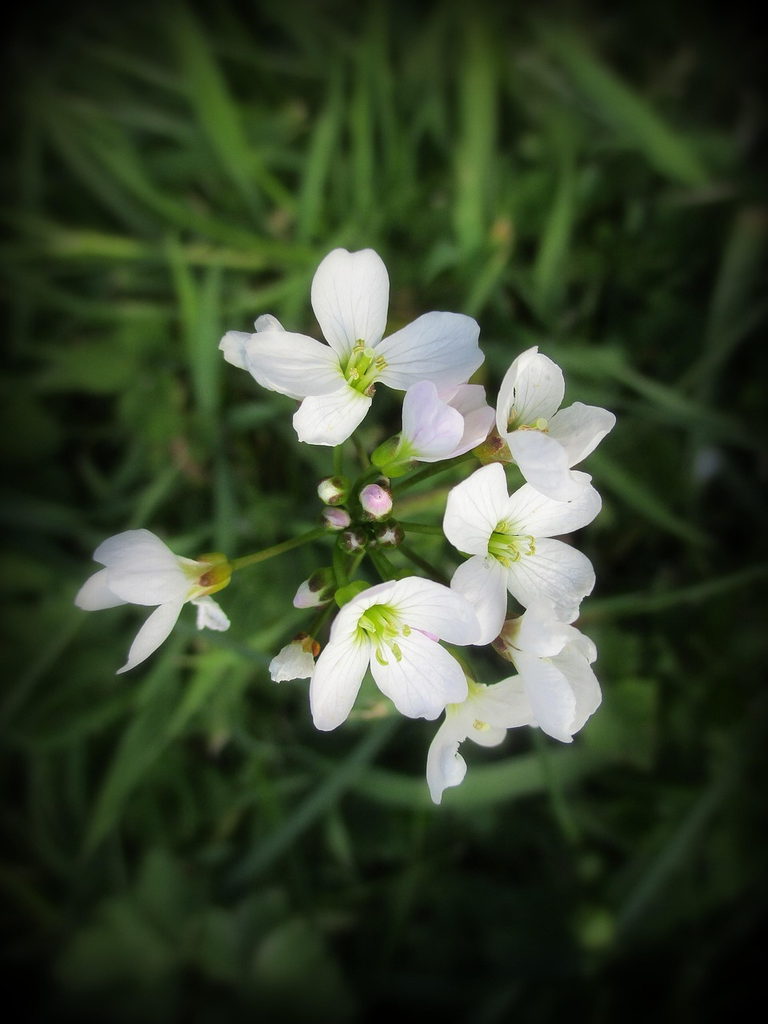
Spring and biodiversity are closely linked, as spring marks a season of renewal and growth in nature. Warmer temperatures and longer days trigger plants to bloom and animals to emerge from hibernation, leading to increased activity and diversity in ecosystems. Spring holidays often celebrate this resurgence of life, highlighting the beauty and importance of biodiversity through festivals, outdoor activities, and traditions that honor nature’s cycles and the interconnectedness of living things.
Spring and Biodiversity
Spring and biodiversity are closely linked, as spring marks a season of renewal and growth in nature. Warmer temperatures and longer days trigger plants to bloom and animals to emerge from hibernation, leading to increased activity and diversity in ecosystems. Spring holidays often celebrate this resurgence of life, highlighting the beauty and importance of biodiversity through festivals, outdoor activities, and traditions that honor nature’s cycles and the interconnectedness of living things.

💡 Key Takeaways
- Understand how spring weather, plant growth, and longer days boost biodiversity activity.
- Identify key spring players such as pollinators, birds, and flowering plants.
- Explain the role of pollination and seasonal food webs in sustaining spring ecosystems.
- Learn simple actions to observe and protect spring biodiversity in your community.
❓ Frequently Asked Questions
What role does spring play in biodiversity?
Spring brings new plant growth, flowering, and insect activity, boosting food availability and enabling reproduction for many species.
What is phenology and why is it important in spring?
Phenology is the timing of seasonal biological events (e.g., flowering, insect emergence). In spring, these timings affect interactions between plants and animals and can shift with climate change.
How do pollinators contribute to spring biodiversity?
Pollinators like bees and butterflies move pollen between flowers, supporting plant reproduction, increasing plant diversity, and sustaining food webs.
What are common threats to spring biodiversity and how can they be mitigated?
Threats include habitat loss, pesticides, and climate-driven timing changes. Protect biodiversity by planting native flowering species, reducing pesticide use, and preserving natural habitats.