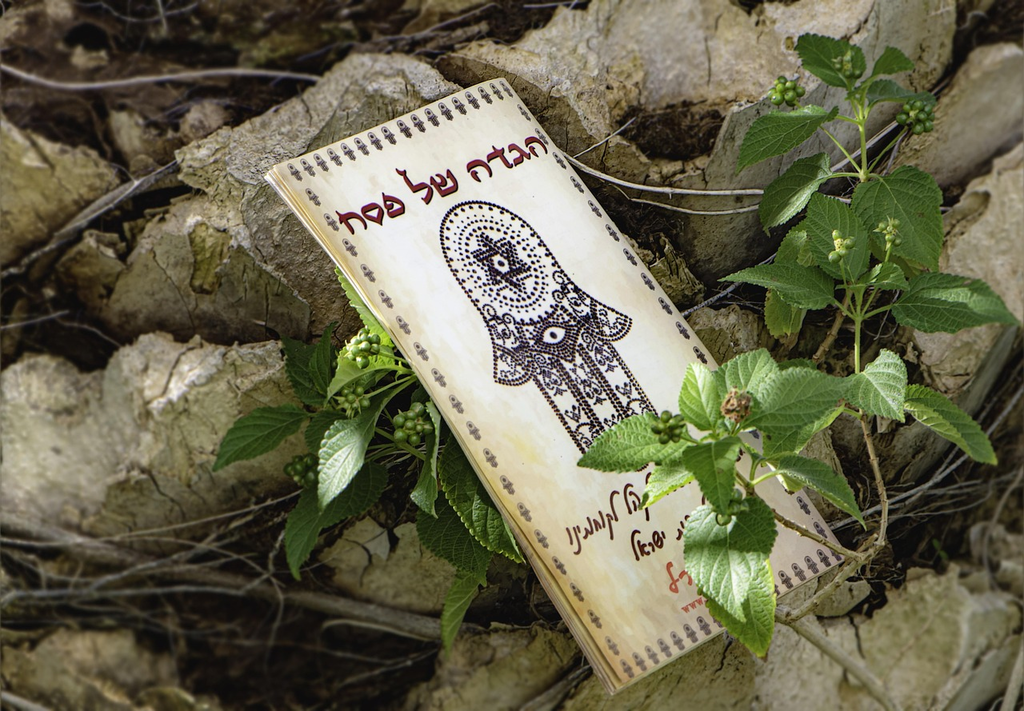
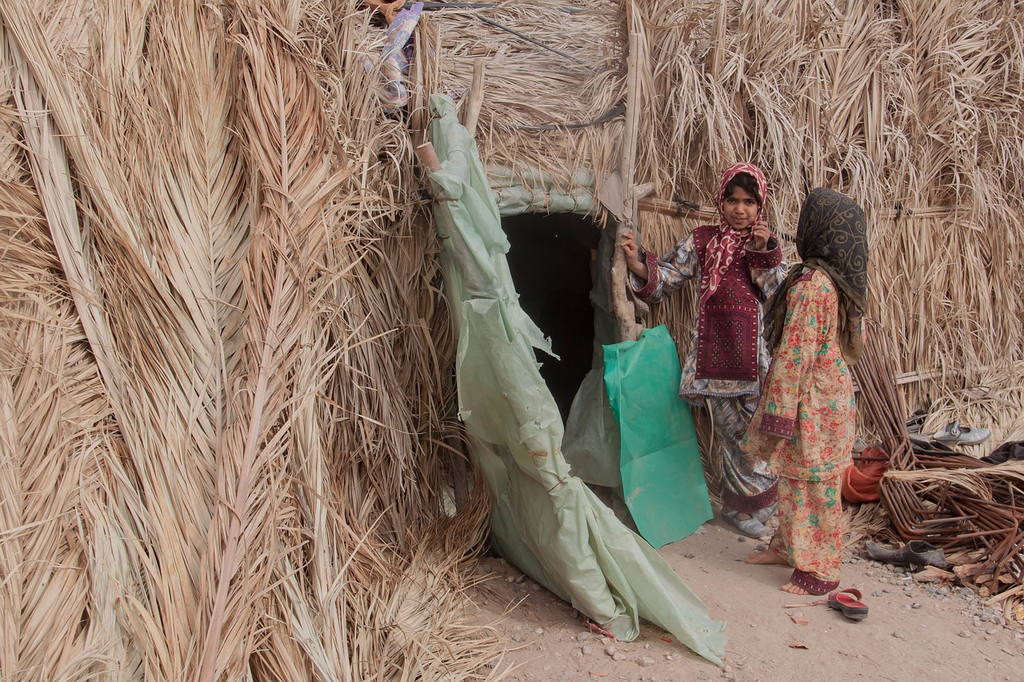
Spring marks a period of renewal in nature, characterized by warmer temperatures, blooming flowers, and increased daylight. These environmental changes support plant growth and animal activity after winter dormancy. Many cultures celebrate spring holidays—such as Easter, Holi, and Nowruz—to honor new beginnings, fertility, and the rejuvenation of life. These festivities often include outdoor gatherings, rituals, and traditions that reflect humanity’s connection to the changing environment.
Spring and Environmental Changes
Spring marks a period of renewal in nature, characterized by warmer temperatures, blooming flowers, and increased daylight. These environmental changes support plant growth and animal activity after winter dormancy. Many cultures celebrate spring holidays—such as Easter, Holi, and Nowruz—to honor new beginnings, fertility, and the rejuvenation of life. These festivities often include outdoor gatherings, rituals, and traditions that reflect humanity’s connection to the changing environment.
💡 Key Takeaways
- Understand how warming temperatures and longer days signal spring and trigger environmental changes.
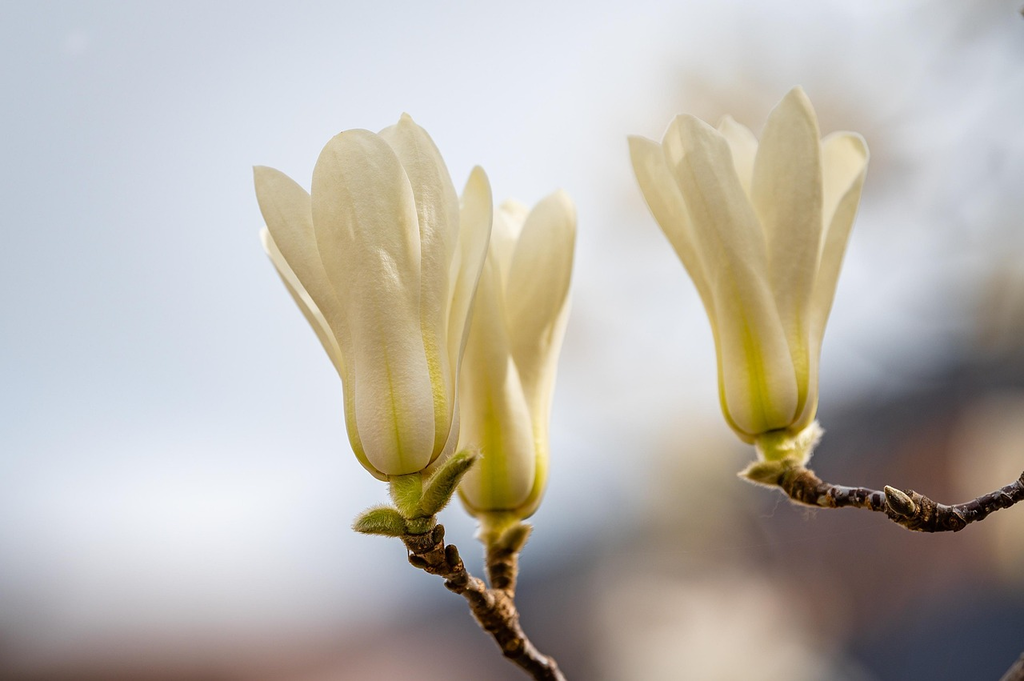
- Learn how plants sprout, buds form, and flowers bloom, and how pollinators respond in spring.
- Explore how wildlife activity changes in spring—migration, reproduction, and feeding—and how habitats shift.
- Recognize how spring weather (rain, melt, storms) affects ecosystems and how climate change may shift spring patterns across regions.
❓ Frequently Asked Questions
What marks the start of spring in many regions?
The vernal equinox, when day and night are roughly equal, signals the start of spring; local climate and calendars can vary.
Why do plants begin to grow in spring?
Longer daylight and warmer temperatures boost photosynthesis, triggering bud break and new leaf and flower growth.
What weather changes are typical in spring?
Spring often brings more frequent rain, melting snow, and fluctuating temperatures as winter ends.
How do animals respond to spring?
Many animals become more active, breed, migrate, or emerge from hibernation as food becomes more abundant.
How can climate change affect spring timing and ecosystems?
Rising temperatures can shift flowering and migration earlier; mismatches with pollinators and food availability can disrupt ecosystems.