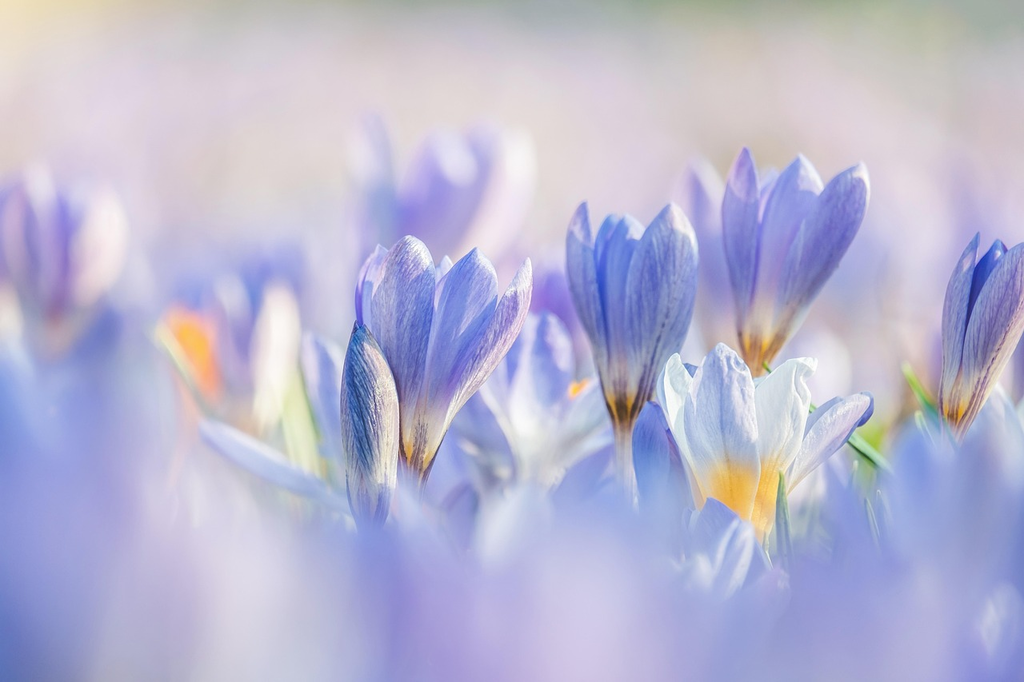
Spring flowers symbolize renewal, growth, and the vibrant energy of the season. Blooming in various colors and forms, they mark the end of winter and the arrival of warmer days. During spring holidays like Easter and Holi, these blossoms are often used for decoration and celebration, representing hope, joy, and new beginnings. Their presence brightens landscapes and lifts spirits, making them an essential part of springtime festivities.
Spring Flowers+50
Spring flowers symbolize renewal, growth, and the vibrant energy of the season. Blooming in various colors and forms, they mark the end of winter and the arrival of warmer days. During spring holidays like Easter and Holi, these blossoms are often used for decoration and celebration, representing hope, joy, and new beginnings. Their presence brightens landscapes and lifts spirits, making them an essential part of springtime festivities.
💡 Key Takeaways
- Identify common spring flowers and their distinguishing features.
- Understand basic flower anatomy and which features help distinguish spring blooms.
- Learn simple planting and care tips for spring blooms (bulbs and perennials).
- Recognize common spring bloom problems and basic prevention or remedies.
❓ Frequently Asked Questions
What counts as 'spring flowers' and when do they typically bloom?
Spring flowers are plants that bloom as winter ends, usually March–May in temperate regions; examples include tulips, daffodils, crocuses, and hyacinths.
How should I plant spring-flowering bulbs for best results?
Plant in fall before the ground freezes, in well-drained soil with full sun to partial shade; plant bulbs at a depth of 2–3 times their height and water after planting.
What care helps spring flowers look their best after blooming?
Let the foliage remain until it yellows to feed the bulbs; deadhead spent flowers; water regularly and apply light fertilizer in early spring.
Which pollinators do spring flowers attract and why is that important?
Bees and butterflies are common visitors; early blooms provide essential nectar and pollen, supporting pollinators and garden biodiversity.