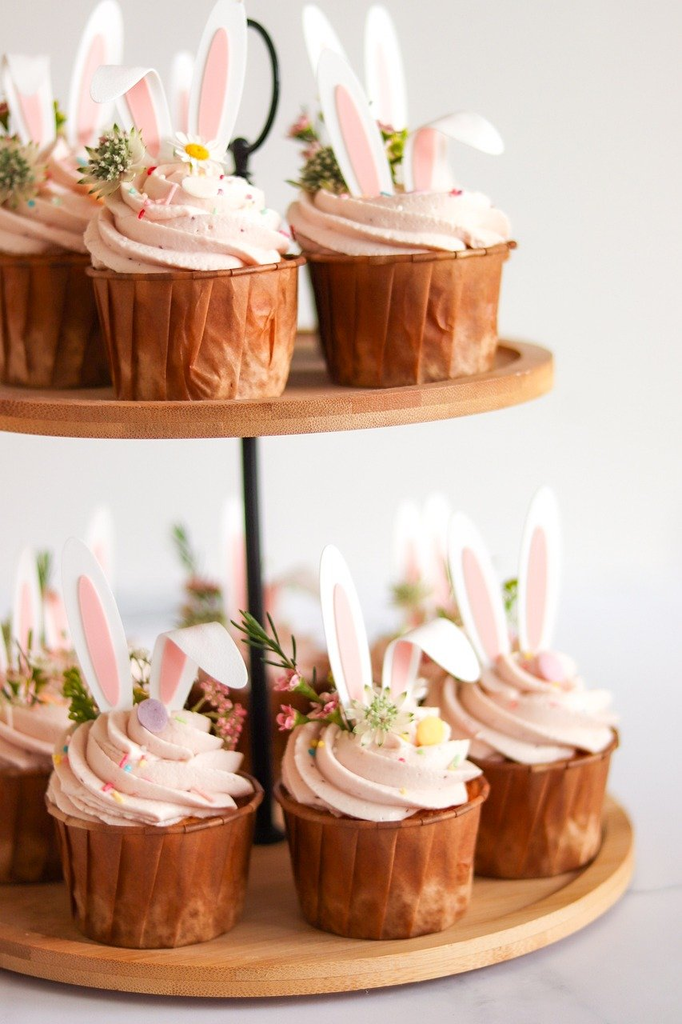
Spring foods are fresh, seasonal ingredients and dishes enjoyed during spring holidays such as Easter, Passover, and Holi. These foods often include tender greens, asparagus, peas, strawberries, lamb, eggs, and light pastries, reflecting renewal and growth. Many cultures celebrate with symbolic foods: eggs for rebirth, lamb for sacrifice, and sweet treats for joy. Spring holiday meals highlight vibrant flavors and emphasize the abundance and freshness of the season.
Spring Foods+50
Spring foods are fresh, seasonal ingredients and dishes enjoyed during spring holidays such as Easter, Passover, and Holi. These foods often include tender greens, asparagus, peas, strawberries, lamb, eggs, and light pastries, reflecting renewal and growth. Many cultures celebrate with symbolic foods: eggs for rebirth, lamb for sacrifice, and sweet treats for joy. Spring holiday meals highlight vibrant flavors and emphasize the abundance and freshness of the season.
💡 Key Takeaways
- Identify key spring produce and when it’s in season (e.g., asparagus, peas, greens, berries).
- Learn quick cooking methods that preserve bright spring flavors (steam, blanch, sauté, raw salads).
- Discover how to select, store, and plan for fresh spring ingredients at the market or grocer.
- Explore simple flavor pairings with herbs, citrus, and light dressings to showcase spring produce.
❓ Frequently Asked Questions
What foods are typically in season during spring?
In temperate regions, spring brings fresh greens and tender vegetables—asparagus, peas, spinach, lettuce and arugula, radishes and leeks—plus herbs like mint and dill, with rhubarb and later strawberries as the season progresses.
How can I tell if spring produce is fresh at the market?
Choose firm stalks and bright colors; greens should be crisp, not wilted; avoid soft spots or mushy areas; herbs should be fragrant; rhubarb should be firm with taut stalks.
How should I store spring produce to keep it fresh?
Store leafy greens in the fridge in a damp paper towel or perforated bag; keep asparagus upright in a glass with a little water; store herbs in a jar with water; wash produce only before use.
What are quick ways to cook and enjoy spring flavors?
Lightly blanch or steam peas and asparagus to preserve color and sweetness; sauté greens with garlic; make a pea purée or rhubarb compote; add fresh strawberries to salads with a simple lemon or balsamic vinaigrette.