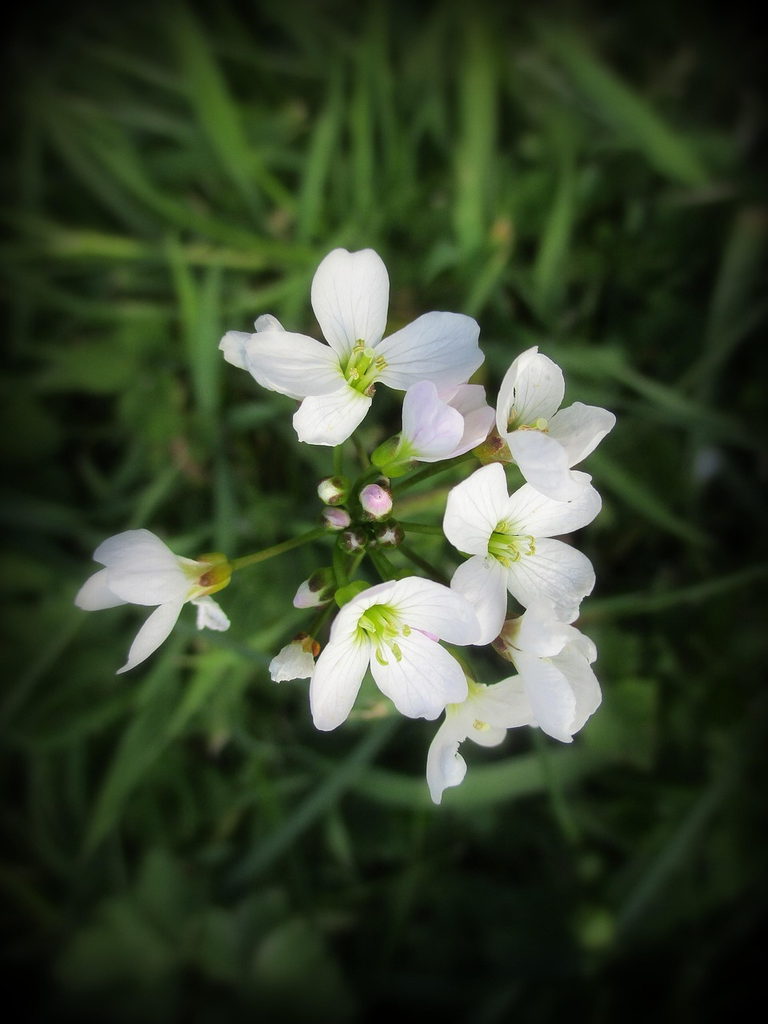
Spring Poetry (Spring Holidays) refers to poems inspired by the themes, emotions, and imagery associated with springtime and its related celebrations. These poems often capture the renewal of nature, blossoming flowers, and warmer weather, reflecting hope, joy, and rejuvenation. Spring holidays like Easter or Holi frequently appear, infusing the poetry with cultural and festive elements. Overall, Spring Poetry celebrates the season’s beauty and the spirit of new beginnings.
Spring Poetry
Spring Poetry (Spring Holidays) refers to poems inspired by the themes, emotions, and imagery associated with springtime and its related celebrations. These poems often capture the renewal of nature, blossoming flowers, and warmer weather, reflecting hope, joy, and rejuvenation. Spring holidays like Easter or Holi frequently appear, infusing the poetry with cultural and festive elements. Overall, Spring Poetry celebrates the season’s beauty and the spirit of new beginnings.
💡 Key Takeaways
- Identify spring imagery and symbols like flowers, rain, and new buds.
- Describe how sensory details and personification evoke spring's mood.
- Recognize poetic devices (metaphor, imagery, alliteration) that highlight renewal.
- Compare poems to see how spring expresses renewal and growth through tone and perspective.
❓ Frequently Asked Questions
What themes are commonly explored in spring poetry?
Renewal and new life, growth, and the contrast between winter dormancy and spring vitality; often used as a symbol of rebirth.
What imagery and devices are typical in spring poems?
Floral and natural imagery (flowers, leaves, rain, sunshine), personification of nature, and metaphors of renewal; vivid sensory detail.
How does spring affect tone and mood in poetry?
Spring usually brings a hopeful, joyful, or contemplative mood, reflecting renewal after winter and inviting optimism.
Which poets are known for spring-themed works?
Classic spring poetry is associated with William Wordsworth, John Keats, Emily Dickinson, and Christina Rossetti, among others.