Spring traditions, often celebrated as spring holidays, mark the arrival of warmer weather and the renewal of nature. These traditions vary across cultures but commonly include festivals, religious observances, and community gatherings. Activities such as cleaning homes, planting flowers, and enjoying outdoor events symbolize new beginnings and growth. Notable examples include Easter, Holi, Passover, and Nowruz, each featuring unique customs, foods, and rituals that reflect the spirit of rejuvenation and hope associated with spring.
Spring Traditions+50
Spring traditions, often celebrated as spring holidays, mark the arrival of warmer weather and the renewal of nature. These traditions vary across cultures but commonly include festivals, religious observances, and community gatherings. Activities such as cleaning homes, planting flowers, and enjoying outdoor events symbolize new beginnings and growth. Notable examples include Easter, Holi, Passover, and Nowruz, each featuring unique customs, foods, and rituals that reflect the spirit of rejuvenation and hope associated with spring.
💡 Key Takeaways
- Understand common spring traditions around the world and their cultural significance.
- Identify how seasonal symbols like flowers and renewal are reflected in celebrations.
- Explore typical activities and rituals associated with spring, such as planting, festivals, and parades.
- Learn how spring traditions influence art, music, and cuisine across regions.
❓ Frequently Asked Questions
What is the vernal equinox and why is it tied to spring traditions?
The vernal equinox is when day and night are about equal, marking the start of spring in many cultures and triggering renewal-themed festivals.
What do Easter eggs and egg hunts symbolize in spring traditions?
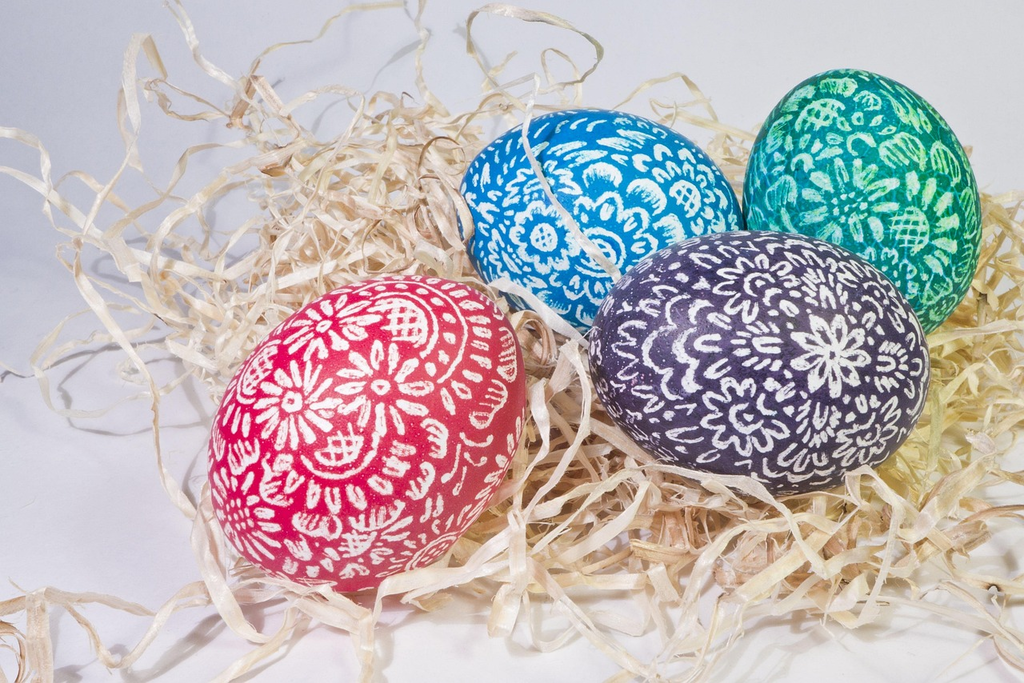
Eggs symbolize new life and rebirth; egg decorating and hunts are common festive activities during springtime celebrations.
What is hanami in Japan, and what does it celebrate?
Hanami is the cherry blossom viewing tradition, where people enjoy picnics under blooming trees to celebrate the beauty and fleeting nature of spring.
What is Nowruz and how is it celebrated?
Nowruz is the Persian New Year celebrated at the vernal equinox, featuring spring cleaning, visiting family, and a Haft-Seen table symbolizing renewal and prosperity.