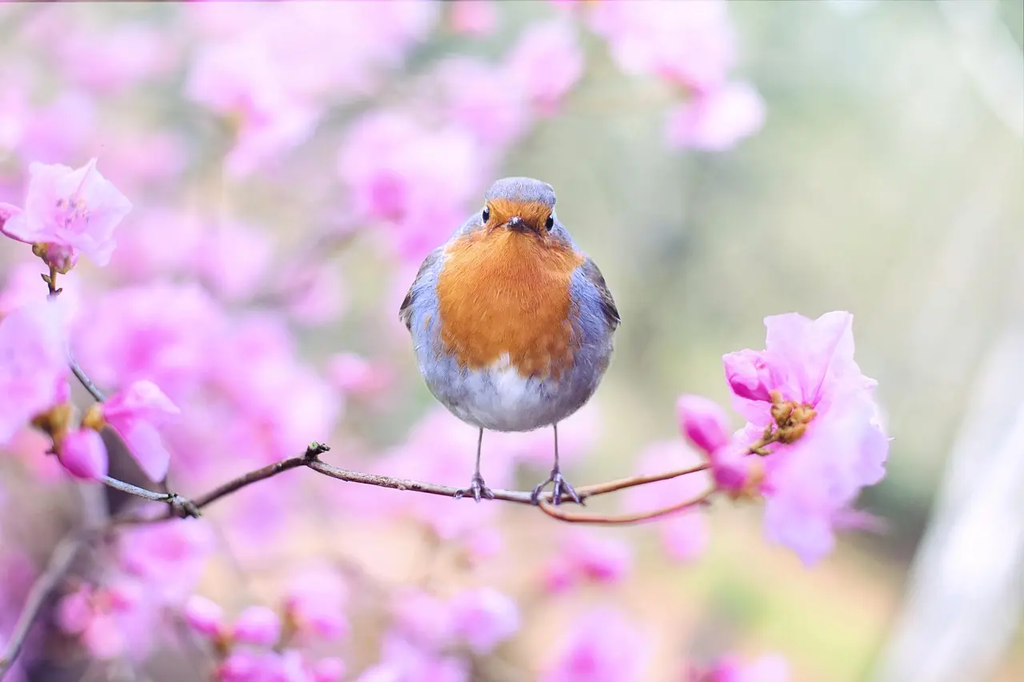
Springtime is the season that marks the transition from winter to summer, characterized by warmer temperatures, blooming flowers, and longer daylight hours. Nature awakens as trees regain their leaves, gardens burst with color, and animals emerge from hibernation. The air feels fresh and invigorating, often accompanied by gentle rains that nurture new growth. Springtime symbolizes renewal, hope, and the vibrant reawakening of life after the cold, dormant winter months.
Springtime+50
Springtime is the season that marks the transition from winter to summer, characterized by warmer temperatures, blooming flowers, and longer daylight hours. Nature awakens as trees regain their leaves, gardens burst with color, and animals emerge from hibernation. The air feels fresh and invigorating, often accompanied by gentle rains that nurture new growth. Springtime symbolizes renewal, hope, and the vibrant reawakening of life after the cold, dormant winter months.
💡 Key Takeaways
- Identify the signs of spring, including warmer temperatures, longer days, and blooming flowers.
- Explain how plants respond to spring with new growth, blossoms, and renewed leaves.
- Describe how animals become more active after winter hibernation or migration.
- Understand the seasonal mechanism of spring: increasing daylight and the transition from winter toward summer.
❓ Frequently Asked Questions
What marks the start of spring in the Northern Hemisphere?
The vernal (spring) equinox, when day and night are roughly equal, usually around March 20–21.
What are common signs of spring in nature?
Warmer temperatures, longer daylight, blooming flowers, leaves returning to trees, and more active wildlife.
Why do plants bloom in spring?
Longer daylight and warmer temperatures boost growth and trigger flowering in many plants.
How does daylight change during spring?
Days grow longer as the tilt of the Earth toward summer increases total daylight hours.