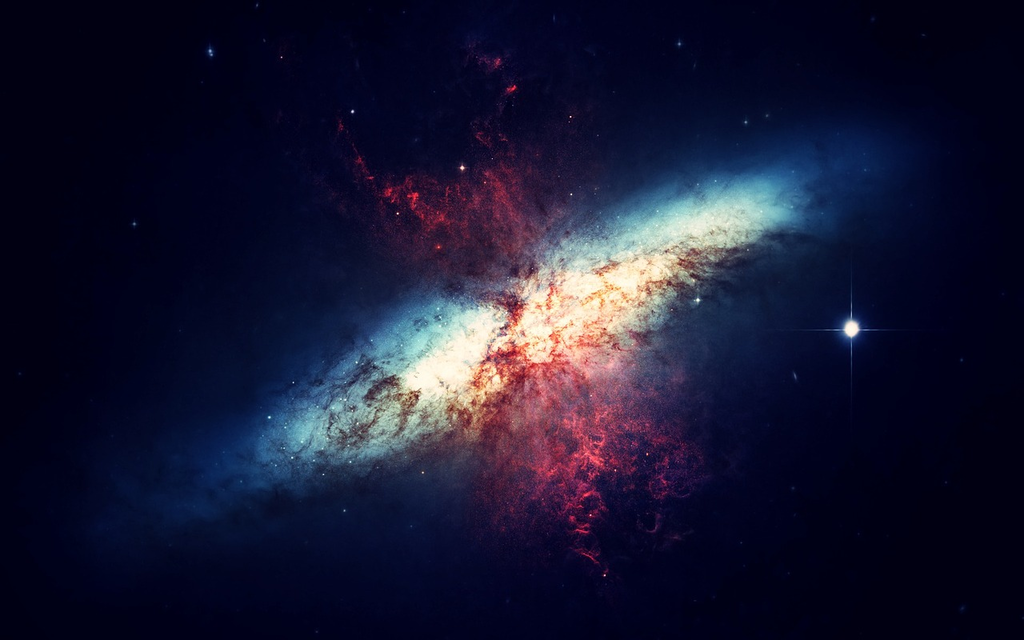
Star formation is the cosmic process where dense regions within molecular clouds in space collapse under gravity to form new stars. This phenomenon often occurs in nebulae, vast clouds of gas and dust, where pressure and temperature increase until nuclear fusion ignites. The birth of a star emits light, contributing to the brilliant points we see in the night sky. Star formation is a key "sky sign," symbolizing cosmic cycles and the ongoing evolution of the universe.
Star Formation
Star formation is the cosmic process where dense regions within molecular clouds in space collapse under gravity to form new stars. This phenomenon often occurs in nebulae, vast clouds of gas and dust, where pressure and temperature increase until nuclear fusion ignites. The birth of a star emits light, contributing to the brilliant points we see in the night sky. Star formation is a key "sky sign," symbolizing cosmic cycles and the ongoing evolution of the universe.

💡 Key Takeaways
- Understand how stars form from molecular clouds via gravitational collapse.
- Learn the key stages: dense core, protostar, and ignition on the main sequence.
- Know the roles of Jeans instability, turbulence, and magnetic fields in triggering collapse.
- See how infrared and radio observations reveal star-forming regions and young stars.
❓ Frequently Asked Questions
What is star formation?
Star formation is the process by which gravity makes dense regions in molecular clouds collapse, forming a protostar that eventually ignites hydrogen fusion to become a true star.
Where do stars form?
Stars form in cold, dense regions of giant molecular clouds in galaxies, where gas cools and fragments into cores that collapse under gravity.
What is a protostar and what happens early on?
A protostar is an early stage of a forming star, surrounded by infalling material and often an accretion disk; as material accumulates and the core heats, hydrogen fusion begins and the object becomes a main-sequence star.
What determines a star’s final mass?
The final mass depends on how much material accretes from the cloud, how the cloud fragments, and feedback processes like outflows that limit growth.
What roles do disks and jets play in star formation?
Disks funnel material onto the protostar, while jets and outflows remove angular momentum and excess mass, aiding collapse and shaping the surrounding environment.