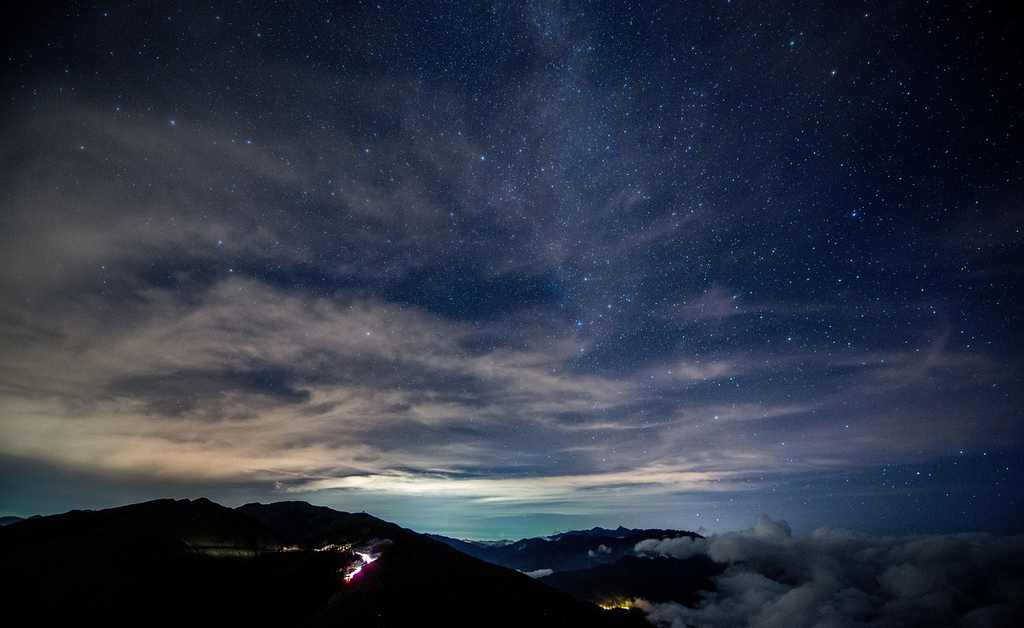
"Starry Night" refers to a nighttime sky filled with countless visible stars, often evoking a sense of wonder and tranquility. In the context of "Sky Signs (Rainbows & Stars)," it highlights the natural beauty and mysteries of the night sky, where stars twinkle like distant beacons. Such scenes have inspired art, poetry, and scientific inquiry, symbolizing hope, dreams, and the vastness of the universe above us.
Starry Night+45
"Starry Night" refers to a nighttime sky filled with countless visible stars, often evoking a sense of wonder and tranquility. In the context of "Sky Signs (Rainbows & Stars)," it highlights the natural beauty and mysteries of the night sky, where stars twinkle like distant beacons. Such scenes have inspired art, poetry, and scientific inquiry, symbolizing hope, dreams, and the vastness of the universe above us.
💡 Key Takeaways
- Identify features of a starry night sky: stars, planets, and the Milky Way
- Explain how light pollution and weather affect star visibility
- Learn basic astronomy terms and recognize common constellations
❓ Frequently Asked Questions
What is Starry Night?
A famous painting by Vincent van Gogh from 1889, depicting a swirling night sky over a quiet village.
Who created Starry Night, and when was it painted?
Vincent van Gogh, in 1889.
What are the key visual features of Starry Night?
A bright crescent moon and stars, a swirling sky, a tranquil village, and a tall cypress, with bold, textured brushstrokes.
Where is the original Starry Night housed?
The Museum of Modern Art (MoMA) in New York City.
What techniques did van Gogh use in Starry Night?
Thick impasto brushstrokes and vibrant color contrasts to convey movement and emotion.