Stars, galaxies, and nebulae are fundamental components of the universe. Stars are luminous spheres of hot gas, primarily hydrogen and helium, generating energy through nuclear fusion. Galaxies are vast collections of stars, gas, dust, and dark matter, bound together by gravity, often containing billions of stars. Nebulae are immense clouds of gas and dust, serving as stellar nurseries where new stars are born or remnants of dying stars.
Stars, Galaxies, and Nebulae
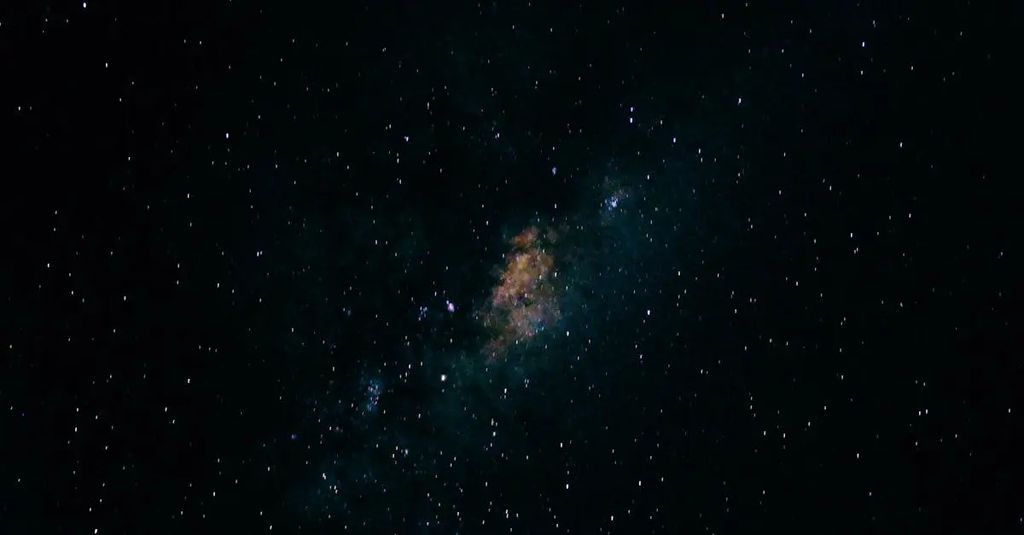
Stars, galaxies, and nebulae are fundamental components of the universe. Stars are luminous spheres of hot gas, primarily hydrogen and helium, generating energy through nuclear fusion. Galaxies are vast collections of stars, gas, dust, and dark matter, bound together by gravity, often containing billions of stars. Nebulae are immense clouds of gas and dust, serving as stellar nurseries where new stars are born or remnants of dying stars.
💡 Key Takeaways
- Understand how stars fuse hydrogen into helium to generate light and energy.
- Describe the large-scale structure of galaxies, including stars, gas, dust, and dark matter, bound by gravity.
- Identify major nebula types (emission, reflection, planetary, supernova remnants) and what they reveal about the life cycle of stars.
- Explain the life cycle of stars and how initial mass determines whether a star ends as a white dwarf, neutron star, or black hole.
❓ Frequently Asked Questions
What is a star and how does it generate energy?
A star is a luminous sphere of hot gas, mainly hydrogen and helium. It generates energy through nuclear fusion in its core, fusing hydrogen into helium and releasing light and heat.
What is a galaxy and what does it contain?
A galaxy is a gravitationally bound system containing billions to trillions of stars, gas, dust, and dark matter; it comes in shapes such as spiral, elliptical, or irregular.
What is a nebula and what are its main types?
A nebula is a cloud of gas and dust in space. Main types include emission nebulae (glow from ionized gas), reflection nebulae (dust reflects starlight), dark nebulae (dense dust blocking light), planetary nebulae (ionized shells around dying stars), and star-forming regions (H II regions).
How do astronomers measure distances and motion in space?
Distances are measured with parallax for nearby stars and standard candles (e.g., Cepheid variables, Type Ia supernovae) for farther objects. Motion is inferred from redshift (galaxies) and proper motion (nearby stars) using Doppler shifts and spectroscopy.