The Statue of Liberty, constructed in France and assembled in New York in 1886, symbolizes freedom and democracy. Built from copper and iron, it was a gift from France to the United States. Over time, the statue underwent several restorations, notably for its centennial in 1986, ensuring its preservation. As a beacon for immigrants and a national icon, it represents hope, liberty, and the enduring friendship between nations.
Statue of Liberty: Construction, Restoration, and Symbolism
The Statue of Liberty, constructed in France and assembled in New York in 1886, symbolizes freedom and democracy. Built from copper and iron, it was a gift from France to the United States. Over time, the statue underwent several restorations, notably for its centennial in 1986, ensuring its preservation. As a beacon for immigrants and a national icon, it represents hope, liberty, and the enduring friendship between nations.
💡 Key Takeaways
- Understand how the Statue of Liberty was designed in France, gifted to the United States, and assembled in New York in 1886.
- Learn about the statue’s materials—copper skin over an iron inner framework—and how its green patina forms over time.
- Explore the statue as a symbol of freedom and democracy for immigrants and visitors.
- Discuss major restoration efforts, notably the 1986 Centennial Restoration, and how they preserved the statue for future generations.
❓ Frequently Asked Questions
Who designed and gifted the Statue of Liberty, and why was it created?
Designed by Frédéric Auguste Bartholdi with an iron inner framework by Gustave Eiffel; it was a gift from France to the United States in 1886 to celebrate liberty, democracy, and friendship.
What materials is the statue made from, and why does it have a green color today?
The statue is clad in copper sheets over an iron frame; exposure to the air has caused the copper to oxidize into a green patina that protects the metal.
When was the statue dedicated, and what restoration work has been done to preserve it?
It was dedicated on October 28, 1886. A major centennial restoration occurred from 1984 to 1986 to preserve and upgrade the monument.
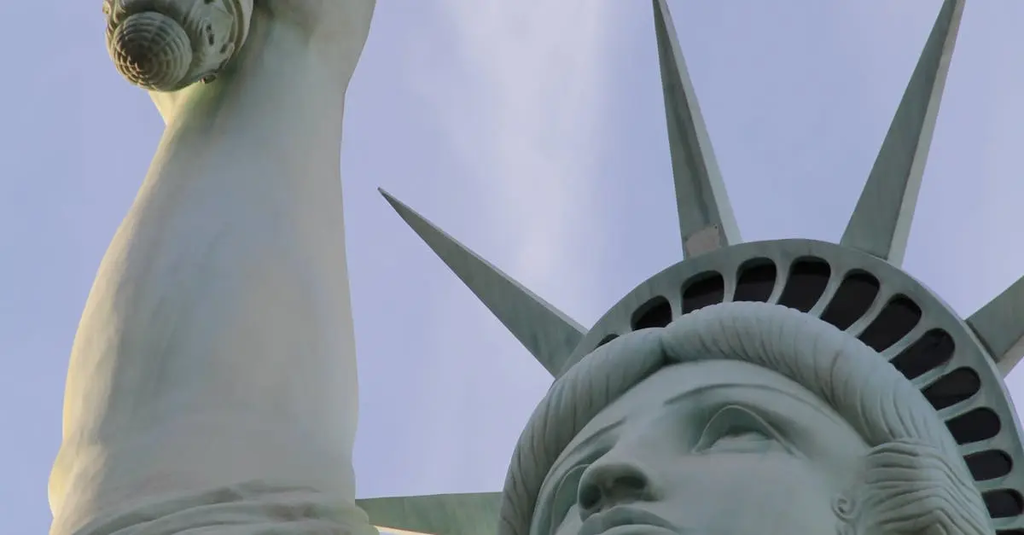
What do the statue’s main symbols represent?
Torch symbolizes enlightenment and freedom; the tablet bears the date of the Declaration of Independence; the crown’s seven rays symbolize the seven seas and continents; the broken chain at the feet stands for liberty from oppression.