Stonehenge is a prehistoric monument located in Wiltshire, England, consisting of a ring of massive standing stones set within earthworks. Believed to have been constructed between 3000 and 2000 BCE, its exact purpose remains a mystery, though it is thought to have served as a ceremonial or astronomical site. Stonehenge is renowned for its impressive engineering, cultural significance, and alignment with the movements of the sun, making it one of the world’s most famous landmarks.
Stonehenge
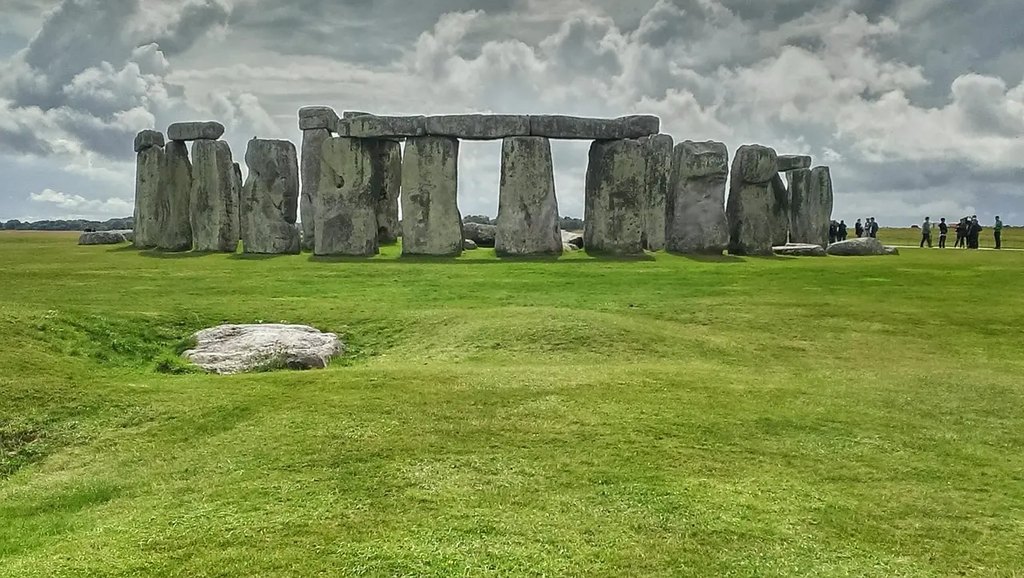
Stonehenge is a prehistoric monument located in Wiltshire, England, consisting of a ring of massive standing stones set within earthworks. Believed to have been constructed between 3000 and 2000 BCE, its exact purpose remains a mystery, though it is thought to have served as a ceremonial or astronomical site. Stonehenge is renowned for its impressive engineering, cultural significance, and alignment with the movements of the sun, making it one of the world’s most famous landmarks.
💡 Key Takeaways
- Identify Stonehenge’s approximate era and its role in prehistoric Britain.
- Explain the two main stone types—sarsen and bluestone—and what they reveal about transport and construction.
- Explore potential astronomical alignments with solstices and their possible significance.
- Recognize Stonehenge as a UNESCO World Heritage site and its ongoing archaeological importance.
❓ Frequently Asked Questions
What is Stonehenge?
Stonehenge is a prehistoric monument in Wiltshire, England, composed of large standing stones arranged in a circular layout, built in several stages between about 3000 and 2000 BCE.
When was Stonehenge built?
Construction occurred in phases from around 3000 BCE (earthworks) to about 2000 BCE, with the iconic sarsen stones and trilithons dating to roughly 2600–2400 BCE.
What was Stonehenge used for?
The exact purpose is unknown, but it likely served ceremonial or religious functions and may have been used for astronomical observations and seasonal rituals.
What are the main parts of Stonehenge?
The monument features a ring and horseshoe of large sarsen stones, smaller inner bluestones, and the Heel Stone marking the entrance to the circle.