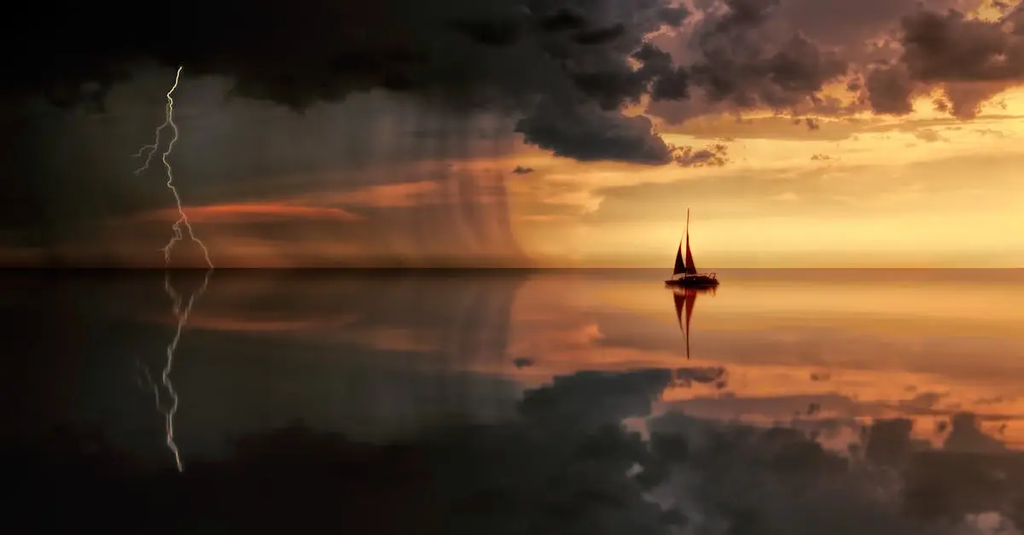
Storms, lightning, and microclimates refer to dynamic weather phenomena. Storms are intense atmospheric disturbances often bringing rain, wind, and thunder. Lightning is a sudden electrostatic discharge during storms, creating dramatic flashes and thunder. Microclimates are localized climate zones with unique weather conditions differing from their surroundings, often influenced by terrain, water bodies, or urban areas. Together, these elements illustrate the complexity and variability of weather patterns on both large and small scales.
Storms, Lightning, and Microclimates
Storms, lightning, and microclimates refer to dynamic weather phenomena. Storms are intense atmospheric disturbances often bringing rain, wind, and thunder. Lightning is a sudden electrostatic discharge during storms, creating dramatic flashes and thunder. Microclimates are localized climate zones with unique weather conditions differing from their surroundings, often influenced by terrain, water bodies, or urban areas. Together, these elements illustrate the complexity and variability of weather patterns on both large and small scales.
💡 Key Takeaways
- Identify common storm types (rainstorms, wind, and thunderstorms) and how they affect adventure planning.
- Explain how lightning forms and the essential safety steps to take if storms are overhead (seek shelter, avoid water, stay away from tall objects).
- Understand microclimates: localized zones with different temperature, wind, and precipitation that can change conditions quickly for outdoor activities.
- Learn to read weather indicators (clouds, wind shifts, humidity) to adjust plans and stay safe in dynamic environments.
❓ Frequently Asked Questions
What is a storm?
An intense atmospheric disturbance that often brings rain, wind, and thunder.
What causes lightning?
A sudden electrostatic discharge within a storm due to charge separation in clouds (and sometimes between cloud and ground), producing a bright flash and thunder.
What is a microclimate?
A localized climate zone within a small area that can differ from the surrounding region due to factors like altitude, slope, vegetation, and water features.
How should adventurers respond to storms and lightning?
Monitor forecasts and lightning alerts; seek shelter in sturdy buildings or enclosed vehicles, postpone activities if lightning is nearby, and avoid exposed high points, open areas, and water.