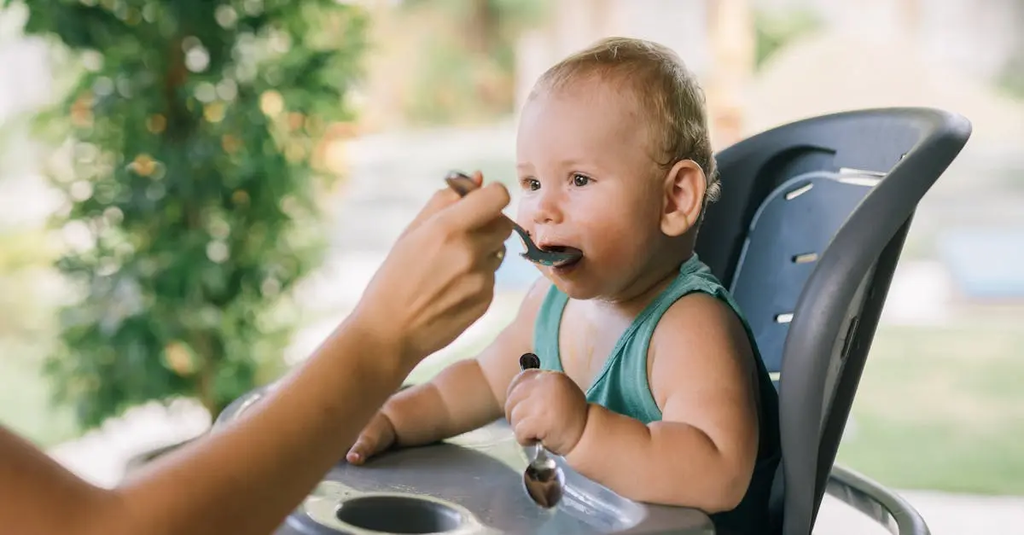
Strategies for mealtime tantrums in the context of child nutrition and night weaning include maintaining a consistent routine, offering a variety of healthy foods without pressure, and involving the child in meal preparation. Setting calm, distraction-free mealtimes and acknowledging the child’s feelings can help reduce stress. Gradually reducing nighttime feeds while offering comfort and reassurance supports smoother transitions and encourages healthy eating habits during the day.
Strategies for mealtime tantrums
Strategies for mealtime tantrums in the context of child nutrition and night weaning include maintaining a consistent routine, offering a variety of healthy foods without pressure, and involving the child in meal preparation. Setting calm, distraction-free mealtimes and acknowledging the child’s feelings can help reduce stress. Gradually reducing nighttime feeds while offering comfort and reassurance supports smoother transitions and encourages healthy eating habits during the day.
💡 Key Takeaways
- Recognize common triggers and early warning signs of mealtime tantrums.
- Establish predictable routines and offer age-appropriate choices to reduce power struggles.
- Use calm communication, clear boundaries, and consistent consequences to guide behavior.
- Create a supportive mealtime environment with minimal distractions and kid-friendly portions to promote calmer meals.
❓ Frequently Asked Questions
What are common causes of mealtime tantrums in children?
Hunger, tiredness, overstimulation, need for control, separation anxiety, and pressure to eat certain foods can spark tantrums at mealtime.
How can you prevent mealtime tantrums?
Maintain a predictable routine, offer small food choices, keep meals short and calm, minimize distractions, avoid power struggles, and involve your child in simple meal prep or decision making.
How should you respond during a tantrum at the table?
Stay calm, acknowledge the child's feelings, set clear limits, and avoid arguing. If needed, briefly step away to a quiet space and return when ready.
What strategies help encourage eating without a fight?
Provide a variety of foods, offer small portions, model healthy choices, use positive reinforcement (praise), avoid bribing with dessert, and create a relaxed, positive mealtime environment.