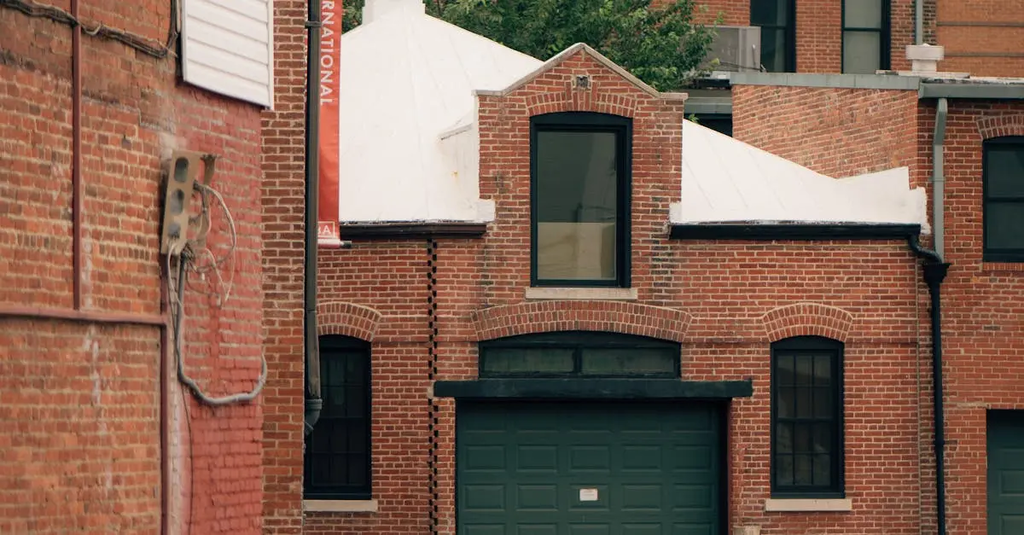
Streetcar suburbs are residential neighborhoods that developed in the late 19th and early 20th centuries along streetcar lines, allowing people to live farther from crowded city centers. Their commercial nodes refer to clusters of shops, services, and businesses located at streetcar stops or intersections, serving local residents’ daily needs. These nodes typically featured small-scale, walkable retail environments, fostering community interaction and shaping the suburb’s social and economic life.
Streetcar Suburbs and Their Commercial Nodes
Streetcar suburbs are residential neighborhoods that developed in the late 19th and early 20th centuries along streetcar lines, allowing people to live farther from crowded city centers. Their commercial nodes refer to clusters of shops, services, and businesses located at streetcar stops or intersections, serving local residents’ daily needs. These nodes typically featured small-scale, walkable retail environments, fostering community interaction and shaping the suburb’s social and economic life.
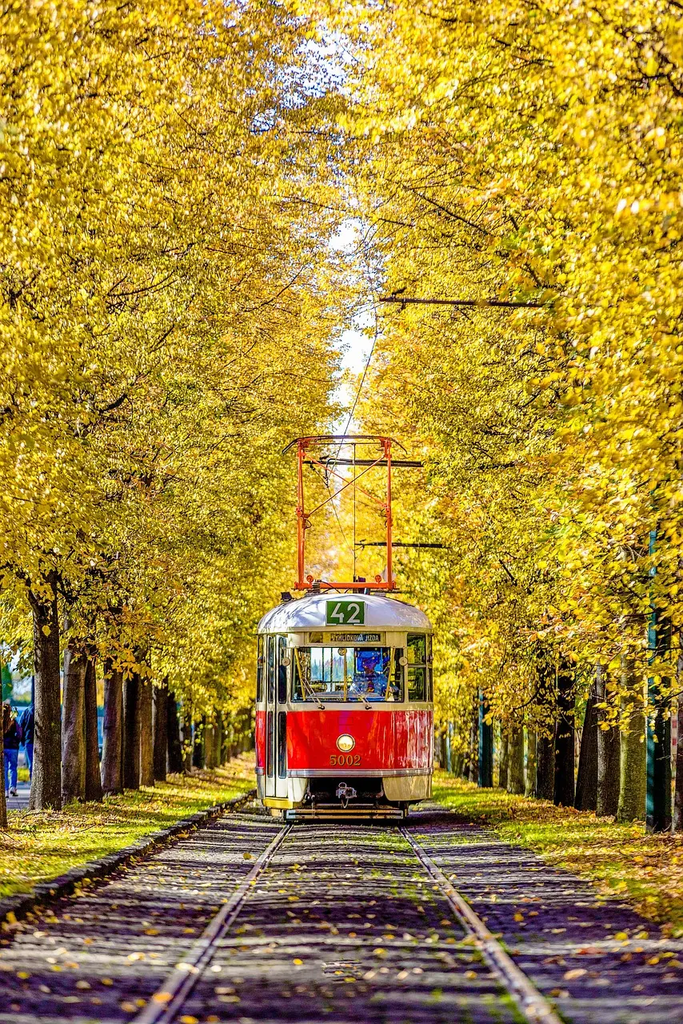
💡 Key Takeaways
- Explain how late 19th and early 20th century streetcar lines shaped residential patterns by extending suburbs beyond crowded city centers.
- Describe how streetcar-era commercial nodes formed at stops, creating walkable clusters of shops, services, and transit-friendly streets.
- Identify how iconic American landmarks and hidden gems emerged within these nodes and what makes them notable.
- Discuss the lasting influence of streetcar suburbs on modern transit-oriented development and urban planning in American cities.
❓ Frequently Asked Questions
What is a streetcar suburb?
A residential area that grew along streetcar lines in the late 19th and early 20th centuries, enabling people to live farther from crowded city centers while still easily commuting.
What are commercial nodes in streetcar suburbs?
Clusters of shops, services, and businesses located at streetcar stops or along the routes, forming walkable centers for residents and travelers.
How did streetcar lines shape the neighborhood’s look?
Development tended to concentrate near stops, creating compact blocks with ground-floor storefronts and a layout aligned with the streetcar network.
What makes the landmarks in these areas iconic or hidden gems?
Historic storefronts, stations, theaters, and architecturally distinctive buildings from the streetcar era that are often preserved as part of historic districts.
Why did streetcar suburbs change over time?
The rise of automobiles and changed transportation patterns reduced reliance on streetcars, leading to redevelopment, but many commercial nodes remain as preserved or revitalized historic hubs.