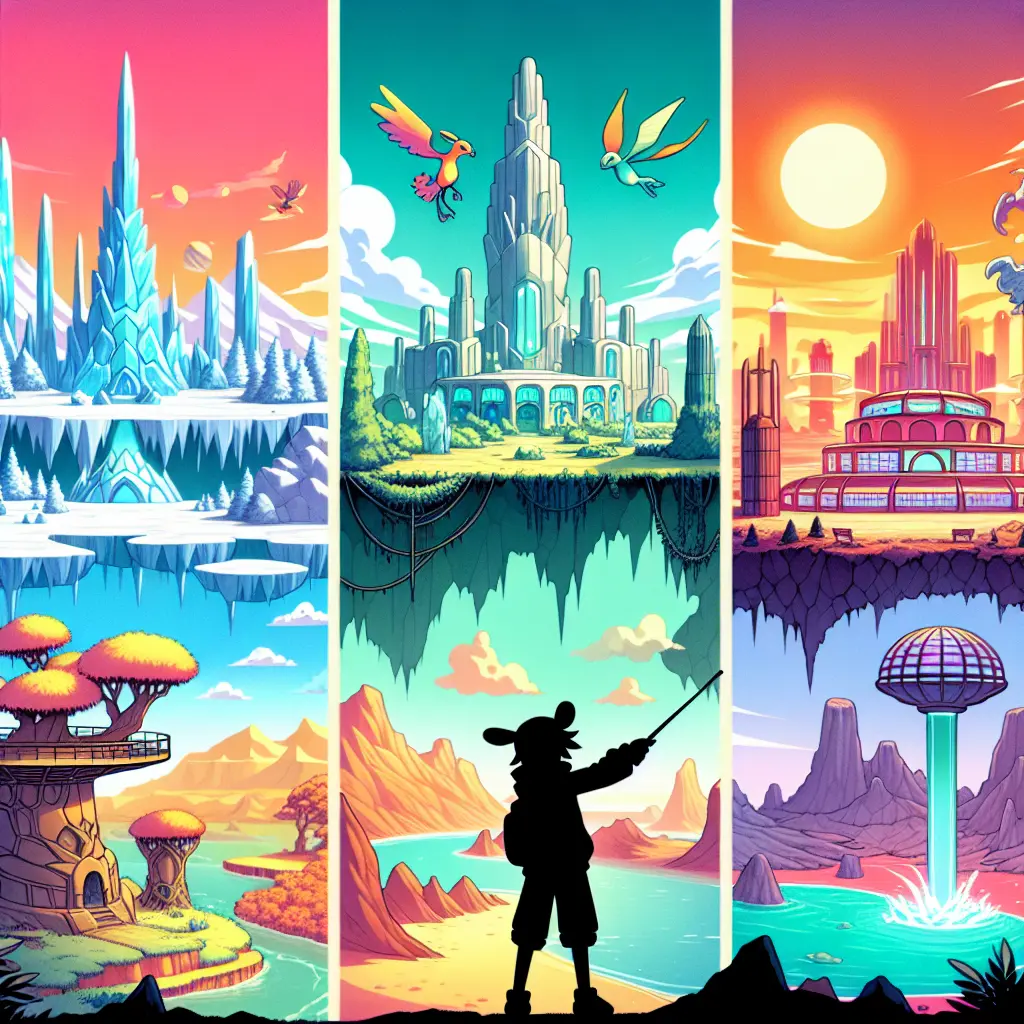
Studio Ghibli films often explore themes of environmentalism, the innocence of childhood, and the complexities of human nature. Recurring motifs include strong female protagonists, magical realism, and the coexistence of technology and nature. The stories frequently highlight the importance of empathy, pacifism, and personal growth. Vivid landscapes, whimsical creatures, and detailed animation further reinforce these themes, making Studio Ghibli’s works both visually enchanting and deeply thought-provoking.
Studio Ghibli Films: Recurring Themes and Motifs
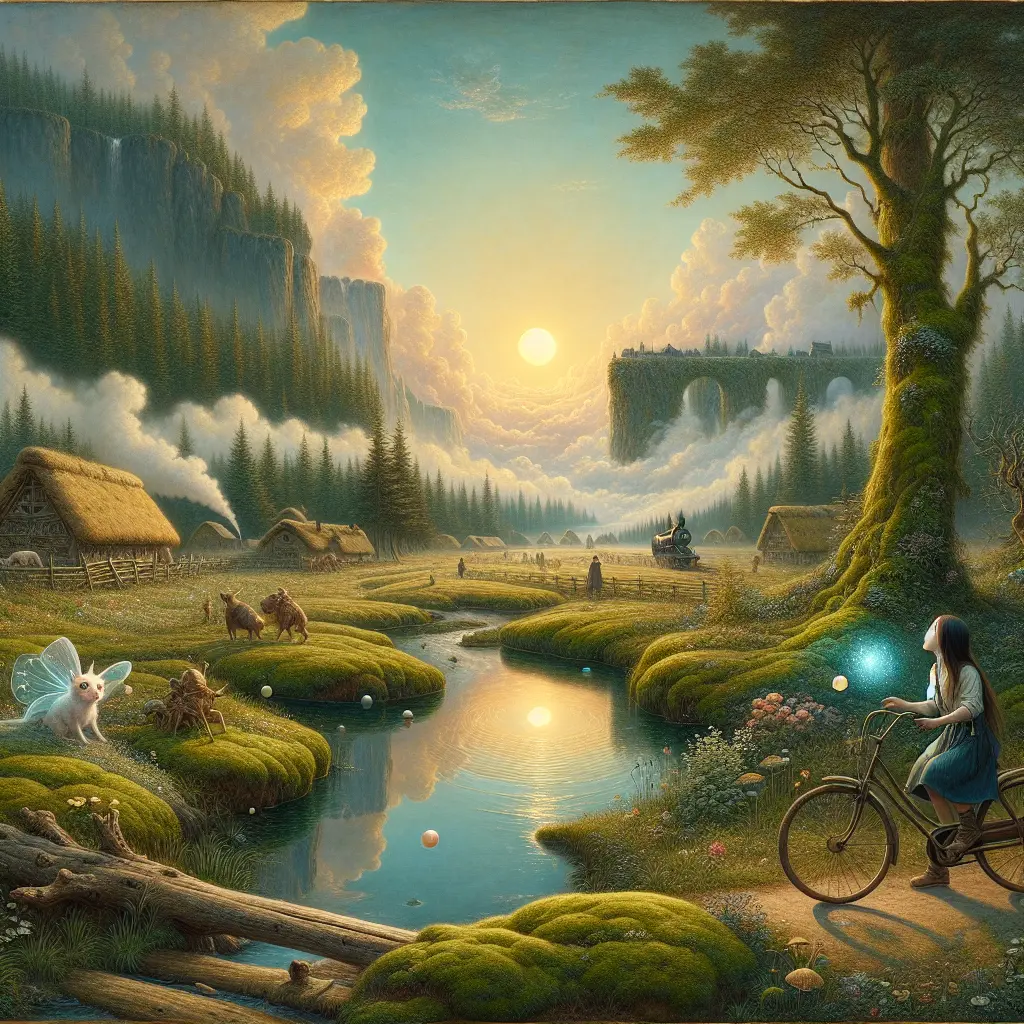
Studio Ghibli films often explore themes of environmentalism, the innocence of childhood, and the complexities of human nature. Recurring motifs include strong female protagonists, magical realism, and the coexistence of technology and nature. The stories frequently highlight the importance of empathy, pacifism, and personal growth. Vivid landscapes, whimsical creatures, and detailed animation further reinforce these themes, making Studio Ghibli’s works both visually enchanting and deeply thought-provoking.
💡 Key Takeaways
- Recognize recurring themes: environmentalism, childhood innocence, and human nature.
- Identify motifs: strong female protagonists, magical realism, and the coexistence of technology and nature.
- Explain how environmental messages influence plot and character choices.
- Analyze how childhood innocence shapes character development across films.
- Compare representations of technology and nature across Studio Ghibli works.
❓ Frequently Asked Questions
What are the core themes in Studio Ghibli films?
Environmentalism, the innocence of childhood, and the complexities of human nature are central themes explored through characters' choices and relationships.
What motifs recur across Studio Ghibli films?
Strong female protagonists, magical realism, and the coexistence of technology and nature are common motifs that shape their stories.
How is magical realism used in Studio Ghibli films?
Everyday worlds are infused with magical elements that reveal emotions and themes in a believable, affective way.
How do Studio Ghibli films portray technology and nature?
They often juxtapose or balance technological progress with the natural world, highlighting tension and the need for harmony.
Why is empathy important in Studio Ghibli stories?
Empathy drives character growth and conflict resolution, helping audiences understand others' perspectives and heal communities.