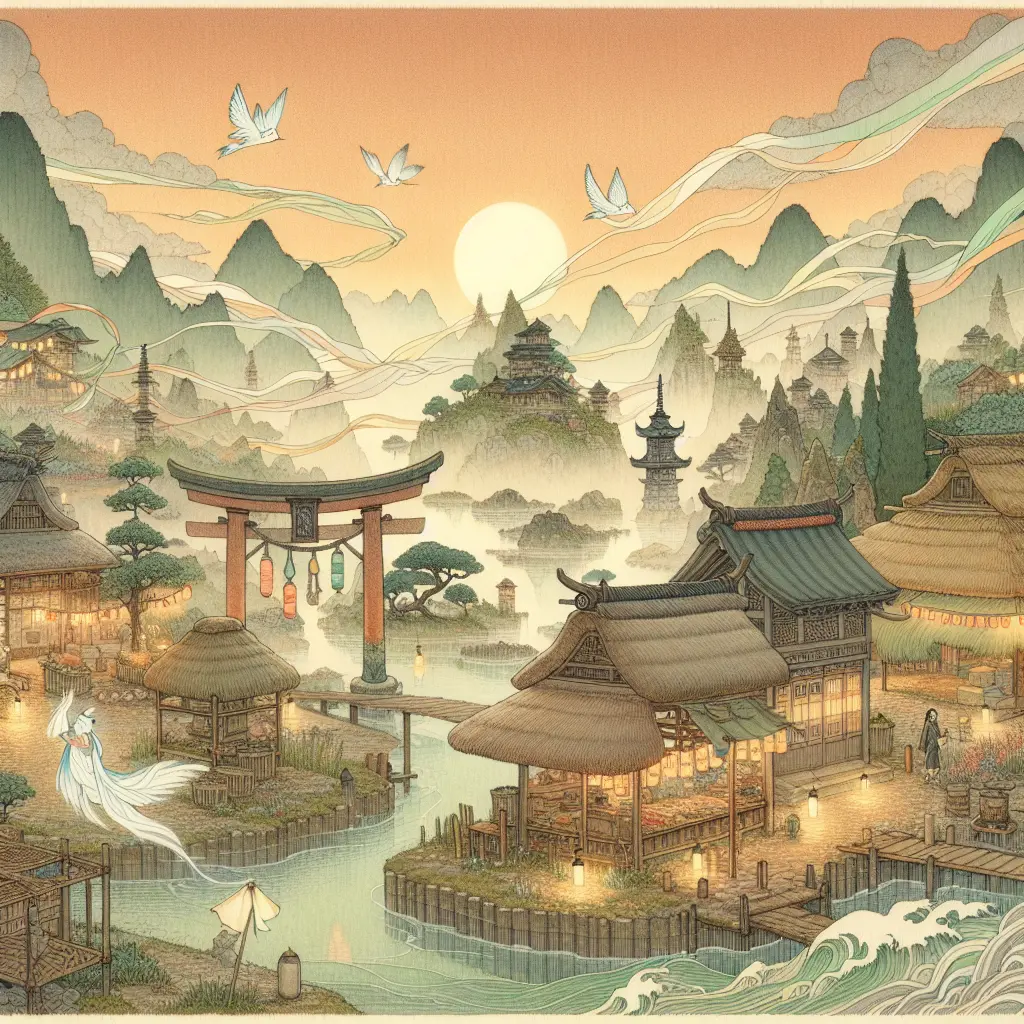
Studio Ghibli films are renowned for their richly detailed worlds, blending fantastical landscapes with elements drawn from Japanese culture, folklore, and history. Settings often feature lush forests, rural villages, and whimsical cities, reflecting a deep reverence for nature and tradition. The films incorporate Shinto and Buddhist themes, everyday Japanese life, and universal human experiences, creating immersive environments that feel both magical and authentic, resonating with audiences worldwide through their cultural depth and imaginative storytelling.
Studio Ghibli Films: World Settings and Cultural Roots
Studio Ghibli films are renowned for their richly detailed worlds, blending fantastical landscapes with elements drawn from Japanese culture, folklore, and history. Settings often feature lush forests, rural villages, and whimsical cities, reflecting a deep reverence for nature and tradition. The films incorporate Shinto and Buddhist themes, everyday Japanese life, and universal human experiences, creating immersive environments that feel both magical and authentic, resonating with audiences worldwide through their cultural depth and imaginative storytelling.
💡 Key Takeaways
- Learn how Studio Ghibli fuses fantastical landscapes with elements from Japanese culture, folklore, and history.
- Identify common settings—lush forests, rural villages, and whimsical cities—and what they symbolize about nature and tradition.
- Explore how reverence for nature shapes storytelling, character motivation, and ethical themes across Ghibli films.
- Understand how cultural roots influence world-building, motifs, and narrative perspectives across different Studio Ghibli works.
❓ Frequently Asked Questions
What common elements define the world settings in Studio Ghibli films?
Ghibli worlds feature lush forests, rural villages, and whimsical towns with a strong sense of nature, tradition, and everyday life, blending magic with realism.
How do Studio Ghibli films incorporate Japanese folklore and cultural roots?
They weave Shinto beliefs, yokai and kami into characters, spirits, and landscapes, drawing on historical eras, crafts, and seasonal folklore.
What role does nature play in Studio Ghibli films?
Nature is often a central, living character—beautiful and powerful—emphasizing harmony with people while highlighting the consequences of neglect or exploitation.
Do Ghibli settings draw on cultures outside Japan?
Yes. Some settings evoke European or other global aesthetics, but are filtered through Ghibli’s Japanese sensibilities, creating a timeless, cross-cultural feel.