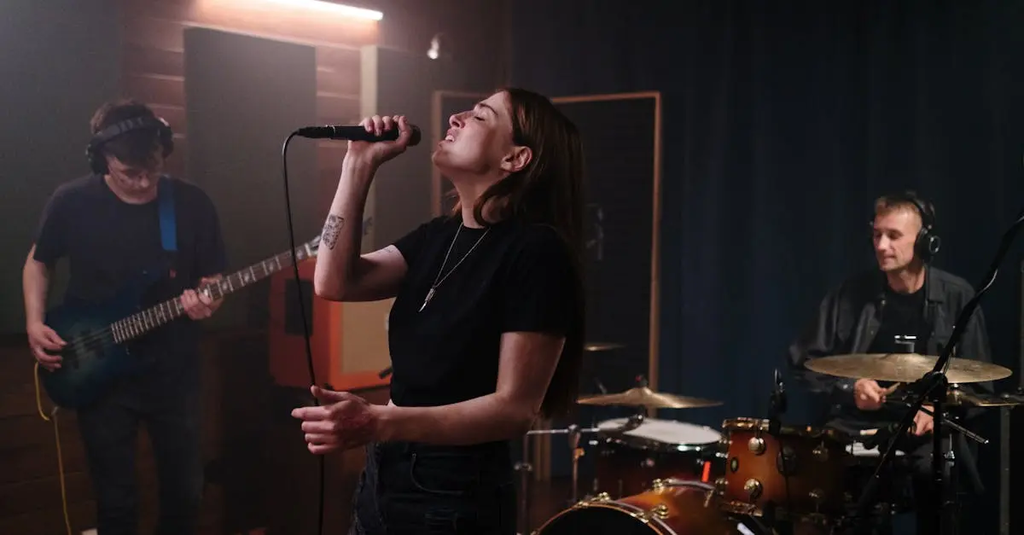
Studio techniques and gear refer to the specialized methods, tools, and equipment used in recording, producing, and mixing audio or music in a studio environment. Techniques include microphone placement, sound isolation, equalization, compression, and layering tracks, while gear encompasses microphones, audio interfaces, mixers, monitors, and software. Together, they enable artists and engineers to capture, shape, and refine sound, ensuring professional-quality recordings and creative expression.
Studio Techniques & Gear
Studio techniques and gear refer to the specialized methods, tools, and equipment used in recording, producing, and mixing audio or music in a studio environment. Techniques include microphone placement, sound isolation, equalization, compression, and layering tracks, while gear encompasses microphones, audio interfaces, mixers, monitors, and software. Together, they enable artists and engineers to capture, shape, and refine sound, ensuring professional-quality recordings and creative expression.

💡 Key Takeaways
- Understand how microphone placement and room acoustics shape the tone of vocals and instruments.
- Identify common studio gear (mics, preamps, converters, monitors) and how each piece influences the final sound.
- Learn core mixing techniques—EQ, compression, and layering—to balance and sculpt a track.
- Explore practical approaches to sound isolation and monitoring to achieve clean recordings and accurate playback.
❓ Frequently Asked Questions
What are studio techniques?
Studio techniques are the methods used in recording, editing, and mixing to shape a performance, such as mic placement, layering tracks, equalization, compression, and reverb.
What is microphone placement and why is it important?
Microphone placement is where you position mics relative to a sound source. It affects tone, dynamics, and how much room sound or bleed is captured.
What is equalization (EQ) and how is it used in a mix?
Equalization adjusts different frequency ranges to balance the sound. It can reduce muddiness, remove rumble, or boost character without changing overall level.
What is compression and how does it affect a track?
Compression reduces the dynamic range by lowering loud parts and raising quieter parts, helping the track sit in the mix with a more consistent level and punch.
What essential studio gear should I know about?
Key gear includes microphones, an audio interface or mixer, preamps, studio monitors or headphones, and a DAW with proper acoustic treatment.