Subaltern traditions in Britain's regions refer to the cultural practices, beliefs, and histories of marginalized or subordinate groups outside mainstream society. These traditions often originate from working-class communities, ethnic minorities, or rural populations, and are expressed through folklore, dialects, festivals, and local customs. They offer alternative perspectives to dominant narratives, highlighting resistance, resilience, and unique identities within Britain’s diverse regions, and contributing to the nation’s rich cultural tapestry.
Subaltern traditions in Britain's regions
Subaltern traditions in Britain's regions refer to the cultural practices, beliefs, and histories of marginalized or subordinate groups outside mainstream society. These traditions often originate from working-class communities, ethnic minorities, or rural populations, and are expressed through folklore, dialects, festivals, and local customs. They offer alternative perspectives to dominant narratives, highlighting resistance, resilience, and unique identities within Britain’s diverse regions, and contributing to the nation’s rich cultural tapestry.
💡 Key Takeaways
- Define the term subaltern in Britain's regional context, including who qualifies as subaltern (working-class communities, ethnic minorities, and rural populations).
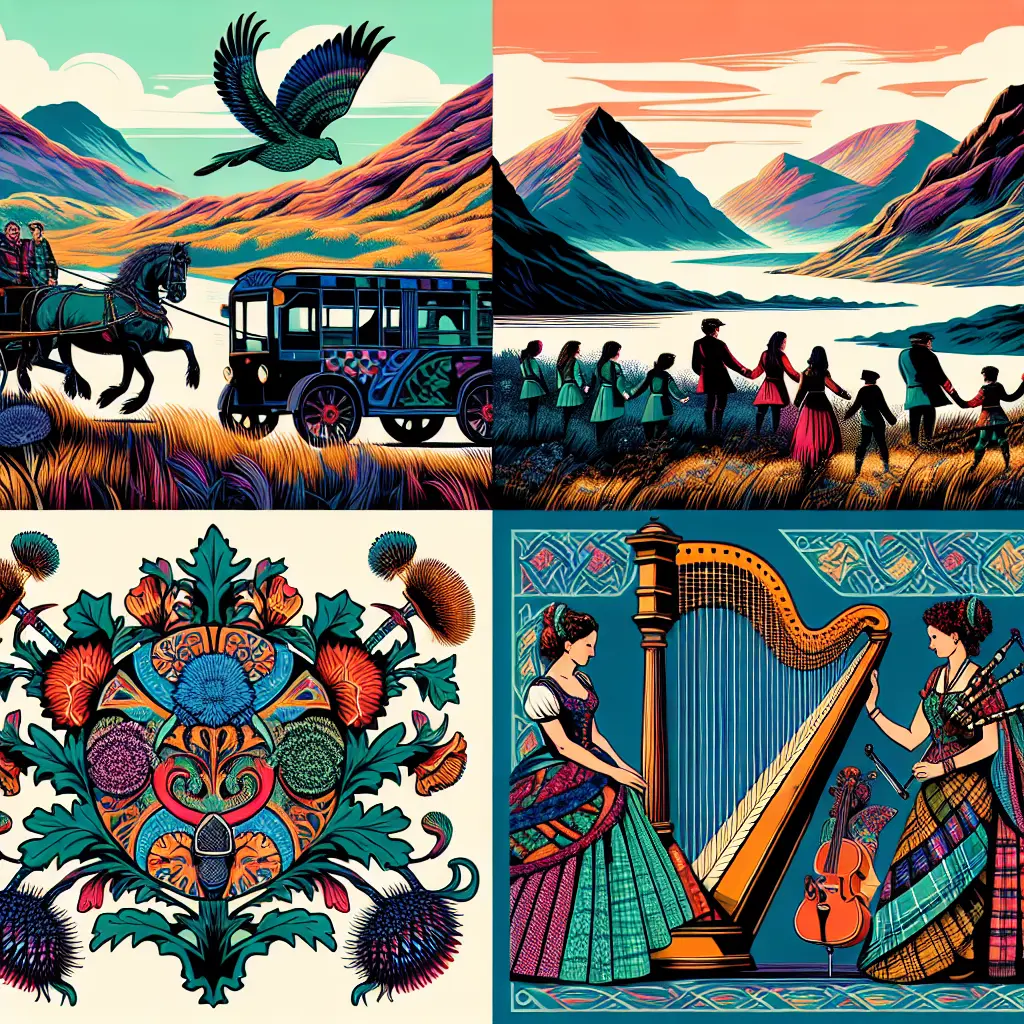
- Describe how regional subaltern traditions are expressed through folk music, dance, storytelling, crafts, and festivals.
- Explain how historical factors such as migration, industrialisation, and policy have shaped and preserved these traditions.
- Identify regional examples of subaltern traditions across Britain and discuss how they differ from mainstream narratives.
❓ Frequently Asked Questions
What are subaltern traditions in Britain's regions?
They are the cultural practices, beliefs, and histories of marginalized groups outside mainstream society, often rooted in working-class, ethnic minority, or rural communities, expressed through folk forms such as music, storytelling, dances, crafts, dialects, and local festivals.
Which communities contribute to these subaltern traditions?
Communities from working-class towns and rural areas across Britain, as well as ethnic minority and migrant communities, including groups like Romani, Irish Traveller, Welsh and Scottish communities, and various immigrant populations.
How are subaltern traditions expressed in everyday life?
Through folk songs and music, dances, storytelling, crafts, traditional dress, local festivals, and everyday language or dialects, often transmitted within families and local communities.
Why are subaltern traditions important for understanding Britain's regional cultures?
They reveal alternative histories and experiences outside mainstream narratives, show how diverse identities shape regional cultures, and enrich modern British art, music, and storytelling.