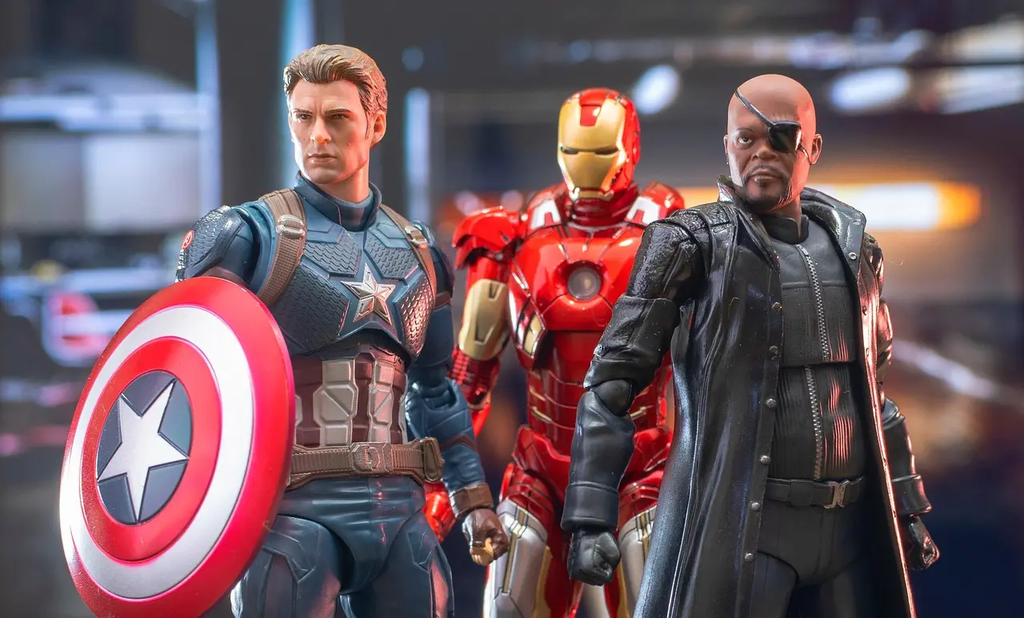
Superhero Economics examines the financial and societal impact of superheroes within their fictional worlds. It explores how their actions affect industries, property damage, insurance, employment, and public spending. The concept also considers the commercialization of superhero identities, the economic value of their technologies, and the broader implications for crime rates and urban development. Overall, it analyzes how the presence of superheroes would reshape economic systems and everyday life in their universes.
Superhero Economics
Superhero Economics examines the financial and societal impact of superheroes within their fictional worlds. It explores how their actions affect industries, property damage, insurance, employment, and public spending. The concept also considers the commercialization of superhero identities, the economic value of their technologies, and the broader implications for crime rates and urban development. Overall, it analyzes how the presence of superheroes would reshape economic systems and everyday life in their universes.

💡 Key Takeaways
- Understand scarcity and trade-offs in a superhero city: choosing missions, gear, and team composition.
- Explore how incentives influence hero decisions and crime-fighting strategies.
- Learn how public goods and externalities show up in a city protected by superheroes.
- Practice budgeting and cost-benefit thinking for hero teams, gadgets, and missions.
❓ Frequently Asked Questions
What is superhero economics?
Superhero economics studies how resources—money, gear, time, and talent—are allocated to crime-fighting and hero work, and how incentives, costs, and risks shape decisions.
How might a city fund superhero activities?
Funding can come from public budgets, grants, private sponsorships, or partnerships; funding levels influence mission scope and accountability.
How do supply and demand affect the value of hero services?
More demand for protection and fewer heroes available can raise the value and willingness to pay for a hero’s services; scarcity can drive higher effective costs or compensation.
Why do gadget costs vary for superheroes?
Costs depend on research and development, rare materials, licensing, maintenance, and production scale; partnerships and bulk buys can reduce prices.