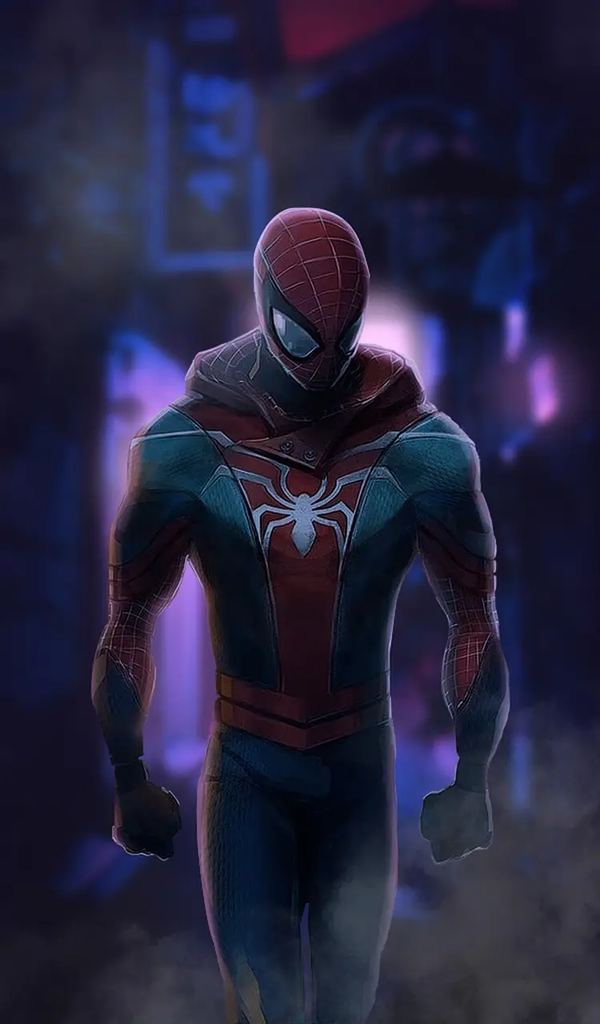
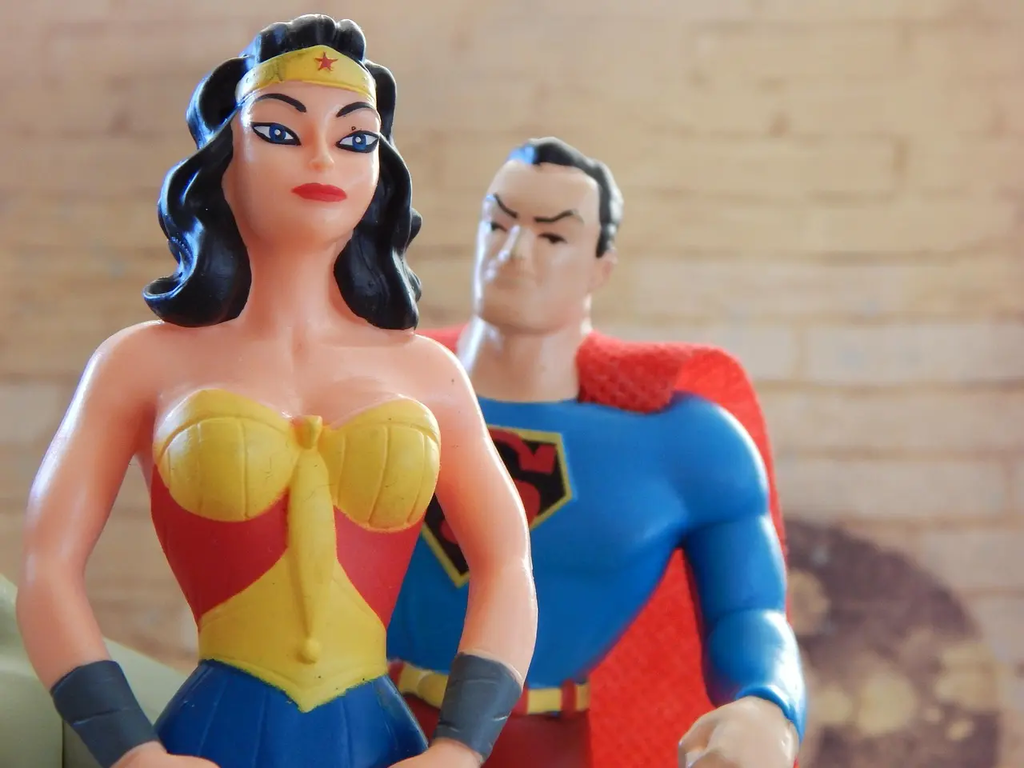
The superhero genre has evolved significantly since its inception, transitioning from simple tales of good versus evil to complex narratives exploring moral ambiguity, identity, and societal issues. Early superheroes like Superman embodied idealism and hope, while modern interpretations delve into psychological depth, realism, and diversity. This evolution reflects changing cultural values and technological advancements, resulting in a broader range of characters, storytelling styles, and media adaptations that appeal to diverse audiences worldwide.
Superhero Genre Evolution
The superhero genre has evolved significantly since its inception, transitioning from simple tales of good versus evil to complex narratives exploring moral ambiguity, identity, and societal issues. Early superheroes like Superman embodied idealism and hope, while modern interpretations delve into psychological depth, realism, and diversity. This evolution reflects changing cultural values and technological advancements, resulting in a broader range of characters, storytelling styles, and media adaptations that appeal to diverse audiences worldwide.

💡 Key Takeaways
- Trace the evolution of superhero stories from early comics to today’s films and streaming, noting shifts in tone, scope, and production values.
- Identify key eras and milestones (Golden/Silver Age, darker tonal shifts, and the modern multiverse era) that defined the genre’s trajectory.
- Examine how changing social contexts have influenced hero representations, diversity, and ethical dilemmas in superhero narratives.
- Compare how different media—comics, animation, TV, and feature films—shape storytelling techniques and audience expectations.
❓ Frequently Asked Questions
What defines the superhero genre?
Stories with characters who have extraordinary abilities or tech, who fight crime or protect the public, often exploring power, responsibility, and identity.
How has the superhero genre evolved over time?
From early Golden/Silver Age comics to Bronze and Modern eras, it shifted from simple heroism to more complex, darker, and morally nuanced narratives, plus expansive shared universes across media.
What impact did film and streaming have on the genre?
They broadened audiences, standardized large-scale franchises, enabled interconnected storytelling, and allowed diverse heroes to reach global viewers.
What are common structural elements in superhero stories?
Origin tales, secret identities, moral conflicts, sidekicks or ensembles, and interconnected worlds with crossovers and shared settings.