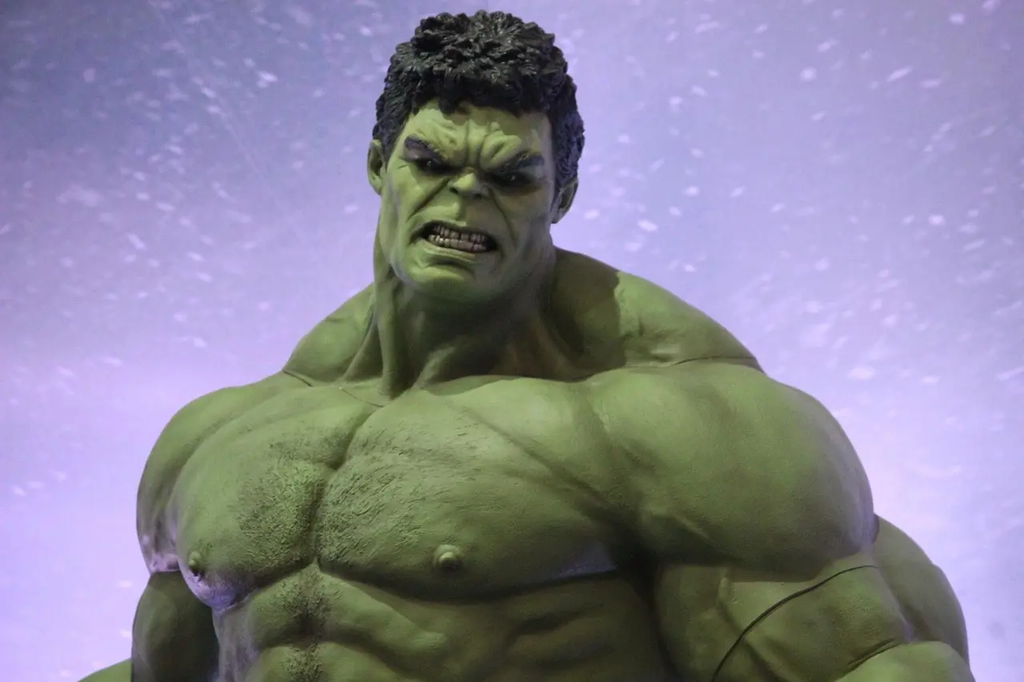
Superhero mythology refers to the collection of stories, characters, and themes centered around superheroes—fictional beings with extraordinary powers or abilities. These narratives often explore ideals of justice, heroism, and responsibility, drawing inspiration from ancient myths and legends. Superheroes typically battle villains, protect society, and grapple with personal dilemmas, reflecting cultural values and societal issues. Over time, superhero mythology has evolved into a significant part of modern popular culture, influencing comics, films, and literature.
Superhero Mythology
Superhero mythology refers to the collection of stories, characters, and themes centered around superheroes—fictional beings with extraordinary powers or abilities. These narratives often explore ideals of justice, heroism, and responsibility, drawing inspiration from ancient myths and legends. Superheroes typically battle villains, protect society, and grapple with personal dilemmas, reflecting cultural values and societal issues. Over time, superhero mythology has evolved into a significant part of modern popular culture, influencing comics, films, and literature.

💡 Key Takeaways
- Understand how superhero myths remix classical myths and folklore to create modern heroes.
- Identify common archetypes (origin stories, mentors, sidekicks, secret identities) and how they shape the narrative.
- Explore how powers, costumes, and symbols convey themes of heroism, identity, and responsibility.
- Analyze ethical dilemmas and the duty-to-others versus personal life tension at the heart of superhero stories.
❓ Frequently Asked Questions
What is superhero mythology?
A fusion of modern superhero fiction with ancient myths, using archetypes, motifs, and symbolism to tell heroic stories.
What are common archetypes in superhero mythology?
The reluctant hero, the mentor, the loyal sidekick, the arch-nemesis, and the trickster—archetypes that recur across different heroes.
How do origin stories explain a hero’s powers?
They usually hinge on a defining event (accident, exposure, training, or cosmic/mystical influence) that grants abilities and motivates action.
Why do creators borrow myths from different cultures for superheroes?
To tap familiar symbols and moral themes, creating universal resonance and timeless archetypes audiences recognize.