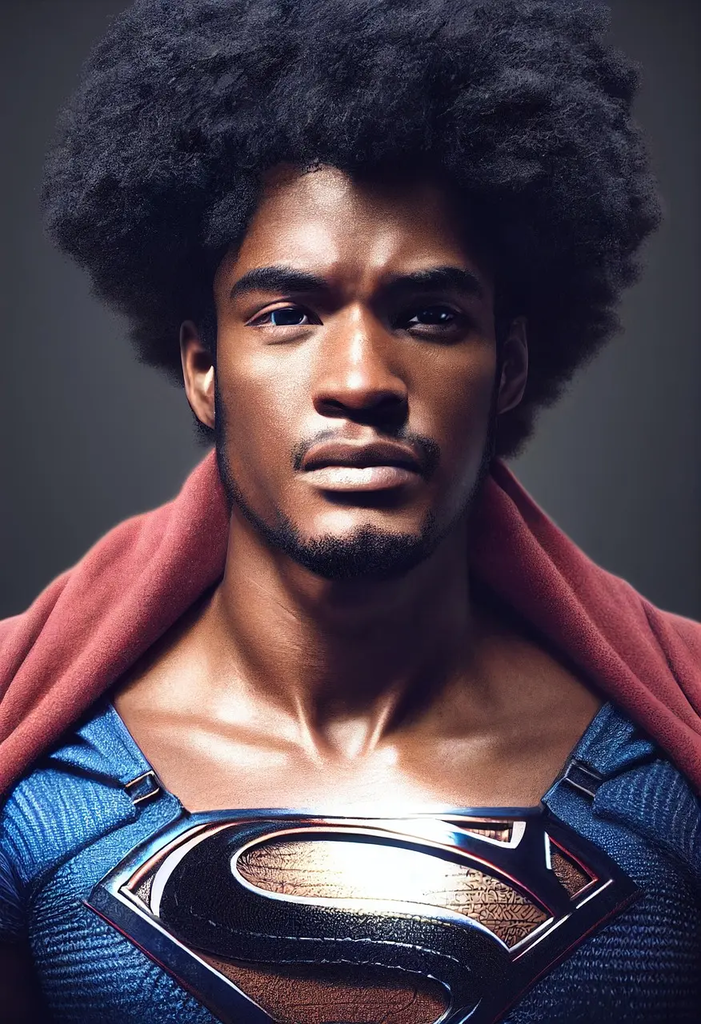
Superhero philosophy explores the moral, ethical, and societal questions raised by superheroes and their actions. It examines what defines a hero, the responsibilities of those with power, and the consequences of vigilantism. This philosophy delves into issues like justice, sacrifice, identity, and the nature of good and evil, using superheroes as modern mythological figures to reflect on human values, dilemmas, and the potential for greatness or corruption within individuals and societies.
Superhero Philosophy
Superhero philosophy explores the moral, ethical, and societal questions raised by superheroes and their actions. It examines what defines a hero, the responsibilities of those with power, and the consequences of vigilantism. This philosophy delves into issues like justice, sacrifice, identity, and the nature of good and evil, using superheroes as modern mythological figures to reflect on human values, dilemmas, and the potential for greatness or corruption within individuals and societies.

💡 Key Takeaways
- Understand how superhero stories explore justice, responsibility, and the greater good.
- See how power and abilities influence moral choices and accountability.
- Compare hero archetypes (reluctant hero, vigilante, team leader) and their guiding philosophies.
- Reflect on real-world implications of power, secrecy, trust, and leadership in communities.
❓ Frequently Asked Questions
What does 'with great power comes great responsibility' mean for superheroes?
Heroes should use their abilities to protect others, minimize harm, and consider the broader consequences of their actions.
What is the difference between consequentialism and deontology in a hero's decisions?
Consequentialism judges actions by their outcomes; deontology follows duties and rules regardless of the results.
What is vigilante justice, and why is it controversial in superhero stories?
Vigilante justice means punishing criminals outside the formal legal system; it's controversial because it bypasses due process and can lead to abuse or bias.
Why might a superhero choose to reveal or hide their identity, and what are the trade-offs?
Revealing identity can protect loved ones and improve accountability, while secrecy protects privacy and safety—often a balance between personal cost and public trust.