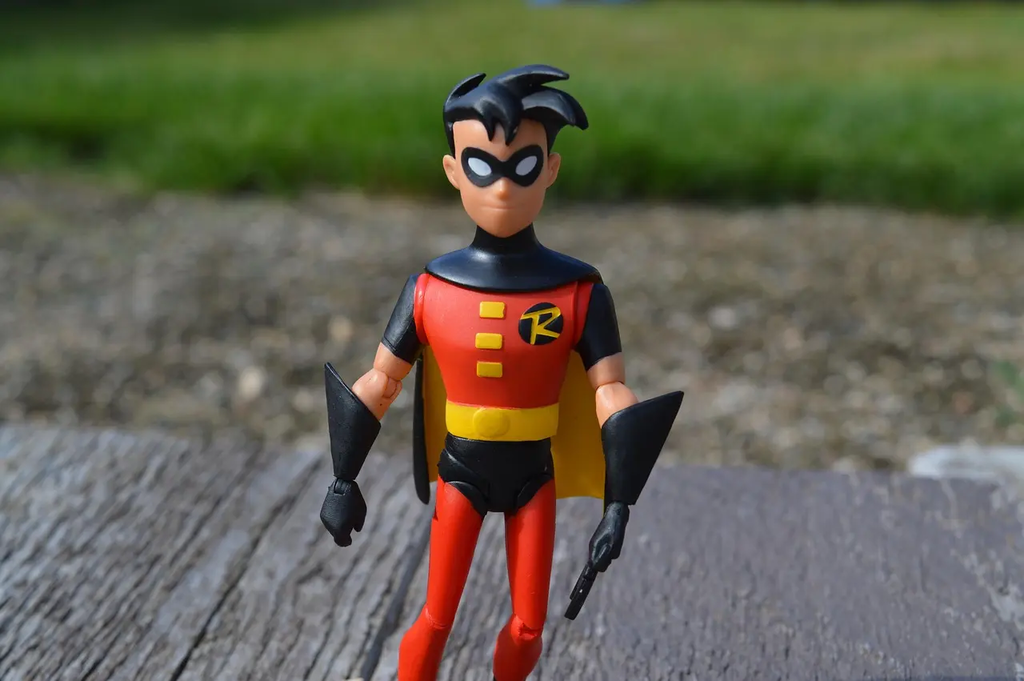
Superhero Psychology explores the mental and emotional aspects of superheroes, examining their motivations, fears, and personal struggles. It analyzes how superheroes cope with trauma, responsibility, and dual identities, often reflecting real-world psychological concepts like resilience, morality, and identity formation. By understanding their inner worlds, Superhero Psychology offers insights into human behavior, the appeal of heroism, and the ways fictional heroes inspire personal growth and resilience in readers and viewers.
Superhero Psychology
Superhero Psychology explores the mental and emotional aspects of superheroes, examining their motivations, fears, and personal struggles. It analyzes how superheroes cope with trauma, responsibility, and dual identities, often reflecting real-world psychological concepts like resilience, morality, and identity formation. By understanding their inner worlds, Superhero Psychology offers insights into human behavior, the appeal of heroism, and the ways fictional heroes inspire personal growth and resilience in readers and viewers.
💡 Key Takeaways
- Understand how power and responsibility shape superhero choices
- Analyze how origin stories influence identity, motivation, and resilience
- Identify common psychological themes in heroes and villains, such as morality and coping with trauma
- Discuss the real‑world impact of mental health portrayals in superhero media
❓ Frequently Asked Questions
What is superhero psychology and why is it studied?
It explores how powers, identities, trauma, and moral codes shape a hero’s choices and behavior, helping readers understand motivation, resilience, and ethical decision-making in high-stakes situations.
Why do many superheroes experience trauma or guilt, and how does it affect their actions?
Traumatic events can intensify a sense of responsibility, drive heroism, or lead to burnout. Psychology examines coping strategies like meaning-making, social support, and healthy boundaries.
How do secret identities influence a superhero's behavior and relationships?
Secret identities create dual lives, secrecy, and trust challenges, affecting personal relationships, risk management, and ethical boundaries.
What role do power, responsibility, and moral dilemmas play in hero decision-making?
Heroes weigh costs, benefits, and harms. Psychology highlights bias, moral injury, and how core values guide choices under pressure.