Superhero symbolism refers to the use of superheroes as representations of ideals, values, and cultural aspirations. Their costumes, emblems, and powers often symbolize hope, justice, courage, and the fight against evil. Superheroes can embody societal dreams of overcoming adversity, standing up for the vulnerable, and striving for a better world. Through their stories, they inspire audiences to believe in the possibility of change and the importance of moral integrity.
Superhero Symbolism
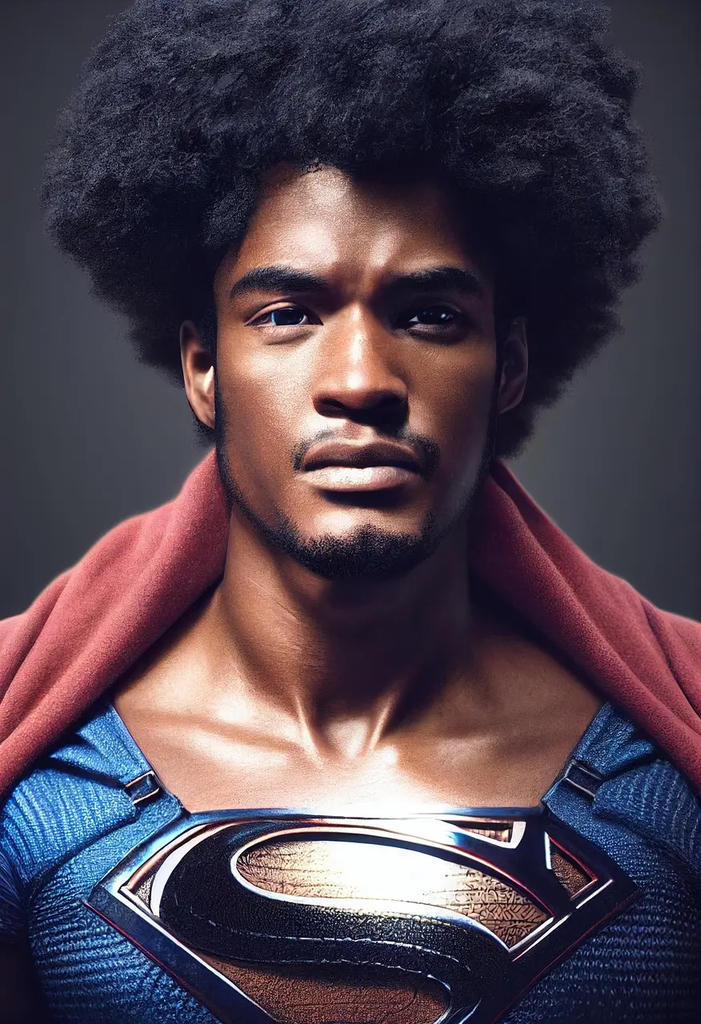
Superhero symbolism refers to the use of superheroes as representations of ideals, values, and cultural aspirations. Their costumes, emblems, and powers often symbolize hope, justice, courage, and the fight against evil. Superheroes can embody societal dreams of overcoming adversity, standing up for the vulnerable, and striving for a better world. Through their stories, they inspire audiences to believe in the possibility of change and the importance of moral integrity.

💡 Key Takeaways
- Understand how colors, logos, and costumes symbolize a hero's identity and values.
- Learn how masks and symbols communicate secrecy, power, and moral stance.
- Identify common superhero archetypes and how origin stories explore justice, responsibility, and resilience.
- Compare hero and villain symbolism to reveal differing worldviews and themes.
❓ Frequently Asked Questions
What is superhero symbolism?
Symbolism in superhero design refers to logos, colors, and icons that convey a character's identity, powers, values, and origin—helping readers recognize and interpret them quickly.
What do emblem shapes and colors typically signal about a hero?
Emblems and shapes suggest traits (e.g., shield = protection, animal = ferocity); colors convey mood (red = power/bravery, blue = trust, black = mystery).
Why are certain symbols linked to specific heroes or villains?
Symbol choices reflect a character's backstory and themes; for example, Batman's bat evokes fear and night, Spider-Man's spider hints at responsibility.
How can you analyze a superhero symbol in a quiz question?
Look at the emblem's shape, color, and where it appears; relate it to the character's powers, origin, and mission to infer meaning.
What is the difference between a symbol and a motif in superhero storytelling?
A symbol is a specific emblem with a standalone meaning; a motif is a recurring idea or visual that reinforces themes.