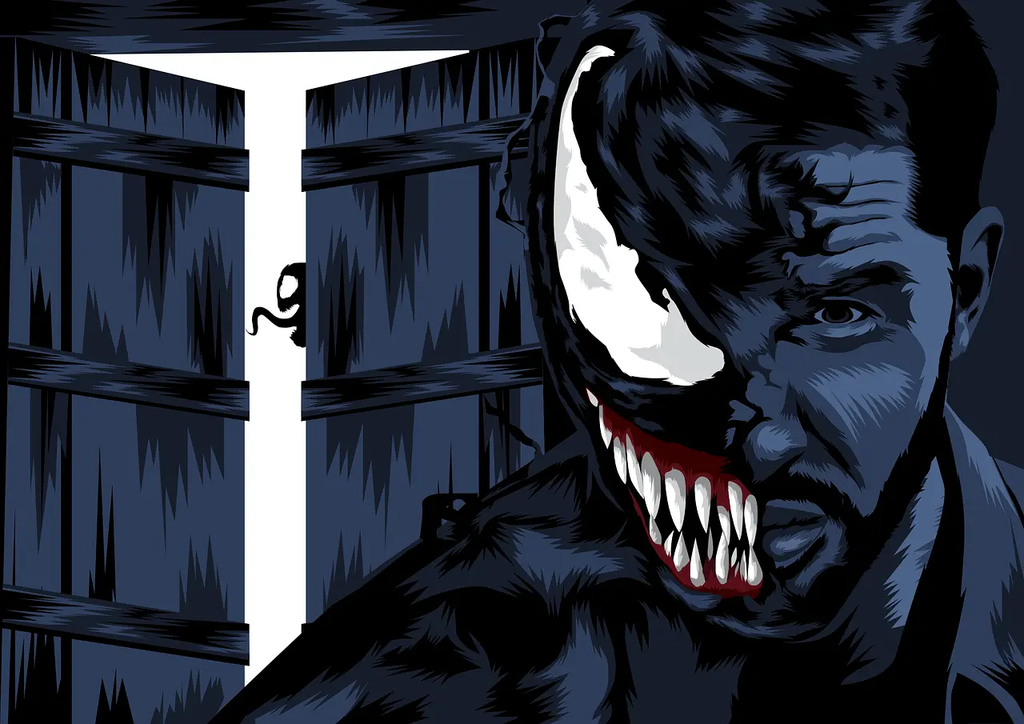
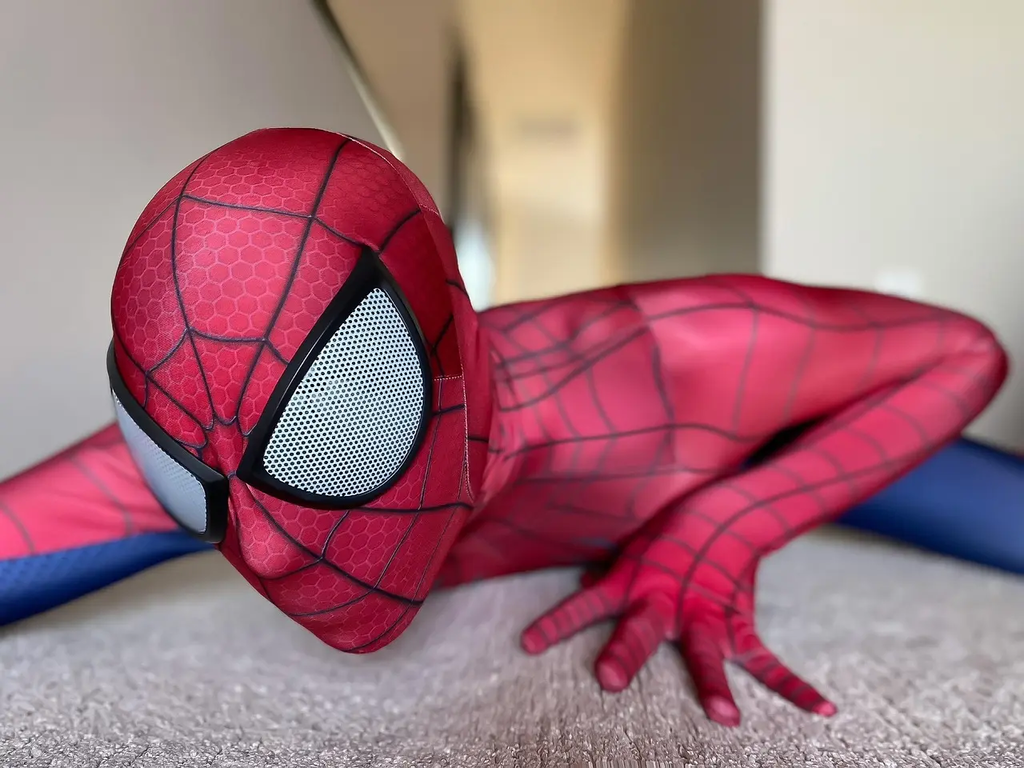
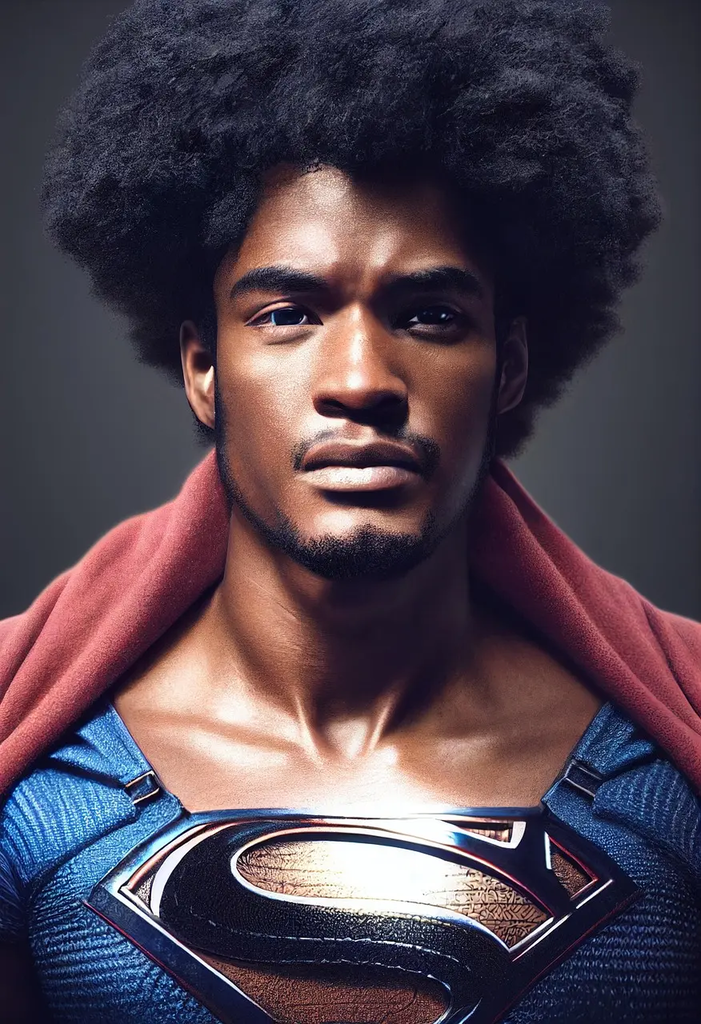
Superhero weaknesses are specific vulnerabilities or limitations that affect otherwise powerful heroes. These weaknesses can be physical, like Superman’s susceptibility to kryptonite, psychological, such as Batman’s trauma, or moral, like Spider-Man’s sense of responsibility. They add depth to characters, making them relatable and creating dramatic tension in stories. By challenging heroes with their own unique flaws, these weaknesses drive narrative conflict and personal growth, ensuring that even the mightiest heroes remain human.
Superhero Weaknesses
Superhero weaknesses are specific vulnerabilities or limitations that affect otherwise powerful heroes. These weaknesses can be physical, like Superman’s susceptibility to kryptonite, psychological, such as Batman’s trauma, or moral, like Spider-Man’s sense of responsibility. They add depth to characters, making them relatable and creating dramatic tension in stories. By challenging heroes with their own unique flaws, these weaknesses drive narrative conflict and personal growth, ensuring that even the mightiest heroes remain human.
💡 Key Takeaways
- Identify common superhero weakness archetypes (physical vulnerability, moral codes, environmental limits, and dependence on artifacts or magic).
- Explain how a hero’s weakness drives decisions, conflicts, and story arcs.
- Compare how weaknesses are portrayed across comics, films, and TV adaptations to see how medium shapes vulnerability.
- Design a unique weakness for a hypothetical hero and describe its narrative implications and potential plot twists.
❓ Frequently Asked Questions
What is a superhero weakness?
A vulnerability or limitation that a hero has, which can be exploited by foes and adds tension to the story.
What are common types of superhero weaknesses?
Physical limits (stamina or injury), material or environmental weaknesses (specific substances or environments), mental or emotional vulnerabilities (fear, guilt), and ethical constraints or rules that restrict actions.
Why do writers include weaknesses in superhero stories?
To create stakes, drive plots, force character growth, and balance power dynamics between heroes and villains.
How can a hero cope with or overcome weaknesses?
Train, team up with others, use gadgets or clever strategies, rely on allies, and work on resilience and recovery.